Russians Endure Harsh Winter Amid Energy Infrastructure Collapse
Russians face harsh winters with energy system failures causing major blackouts and heating cutoffs, affecting hundreds of thousands.
Africa & Global Economy Correspondent
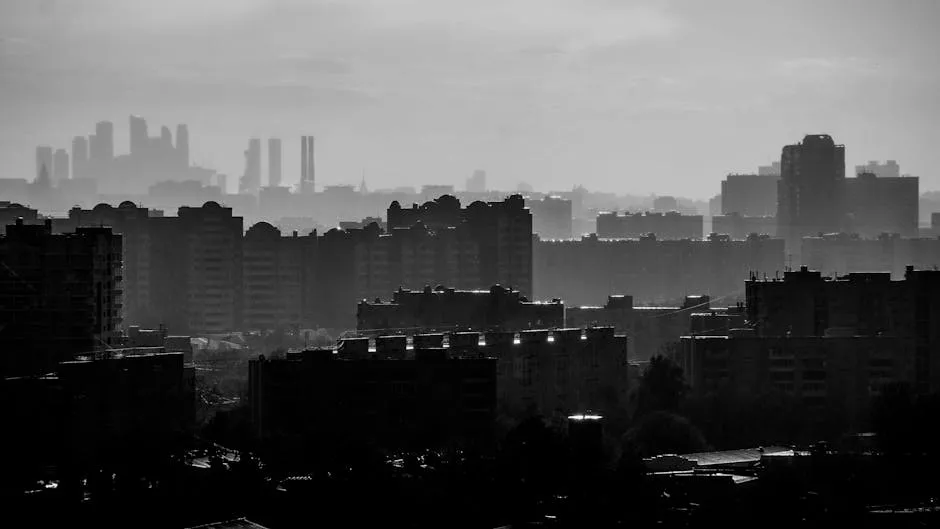
As winter blankets Russia in its typical frigid temperatures, the country's energy infrastructure appears to be crumbling under the intense pressure of extreme weather. Reports indicate that major blackouts and central heating failures have left hundreds of thousands of Russians in a desperate struggle to stay warm. This crisis highlights critical failures within the country's energy system, drawing both domestic and international attention to the challenges facing one of the world's largest energy producers.
Historical Context and Recent Developments
Historically, Russia has been seen as an energy superpower. The nation's vast reserves of natural gas and oil have long been central to its economic prosperity and geopolitical influence. However, the situation on the ground this winter reveals a stark contradiction. Despite Russia's wealth in energy resources, logistical and infrastructural shortcomings have led to an unprecedented energy crisis affecting everyday citizens.
Over the last few months, the nation has witnessed a dozen significant blackouts, compounded by the frequent failure of central heating systems in residential areas. Regions experiencing particularly severe interruptions include Siberia and parts of Eastern Russia, where winter temperatures can plummet to -30°C (-22°F) or lower. These areas, already known for their harsh climates, are enduring one of the most difficult winters in recent history.
Impacts on Daily Life and Economy
The effects of these blackouts extend beyond mere discomfort. Businesses have been forced to shut down temporarily, schools have closed, and healthcare services have been disrupted, creating a ripple effect that potentially threatens the country's fragile economy. In addition, the prolonged exposure to low temperatures without adequate heating has raised concerns about public health, particularly among vulnerable populations such as the elderly and children.
These energy shortages raise questions about the state of Russia's energy infrastructure, particularly the aging power grids and heating systems that are critical to the functionality of urban life. Observers note that investment in modernizing these systems has been lacking, a shortfall that is now coming to light dramatically.
Regional Perspectives and Geopolitical Implications
The energy crisis in Russia also has significant geopolitical implications. Europe's current push to reduce dependence on Russian gas, in light of ongoing geopolitical tensions, adds another layer of complexity to Russia's energy dynamics. The European Union's strategy to diversify energy sources could potentially weaken Russia's bargaining position regarding energy exports.
Furthermore, domestically, public dissatisfaction with the government's handling of the crisis could lead to social unrest. Historical precedents in Russia show that significant infrastructure failures have often precipitated broader political and social challenges. The government's response to the current crisis could influence future policy directions and national stability.
On an international scale, the reliability of Russian energy exports is under scrutiny, particularly by nations that depend on these resources. Any prolonged failure in Russia's ability to supply energy efficiently will force affected countries to seek alternatives, potentially accelerating shifts in global energy markets.
Conclusion
As Russia grapples with this energy crisis amidst a brutal winter, the situation underscores the urgent need for infrastructure modernization. The resolution to these pressing issues will not only affect the domestic well-being of Russian citizens but will also reverberate through international energy markets and geopolitical strategies.
Why It Matters
The current energy crisis facing Russia is a pivotal issue with far-reaching geopolitical implications. As one of the major global energy suppliers, any prolonged inefficiency in Russia’s energy infrastructure could disrupt global energy markets, particularly in Europe, which has been trying to reduce its reliance on Russian gas amidst geopolitical tensions. Furthermore, the crisis could catalyze Russia's internal political dynamics, provoking public dissatisfaction and potentially forcing the government to prioritize infrastructure reforms. Policymakers worldwide will need to monitor how Russia navigates this crisis, as it could affect international energy policies and geopolitical alliances. The world should watch for Russia’s strategic response to bolstering its energy grid resilience and the broader impacts on global energy politics.