Reflecting on Four Years of Russia's Ongoing War in Ukraine
Solidarity and mourning define the fourth anniversary of Russia's war in Ukraine, highlighting the conflict's enduring impact.
Defense & Security Editor
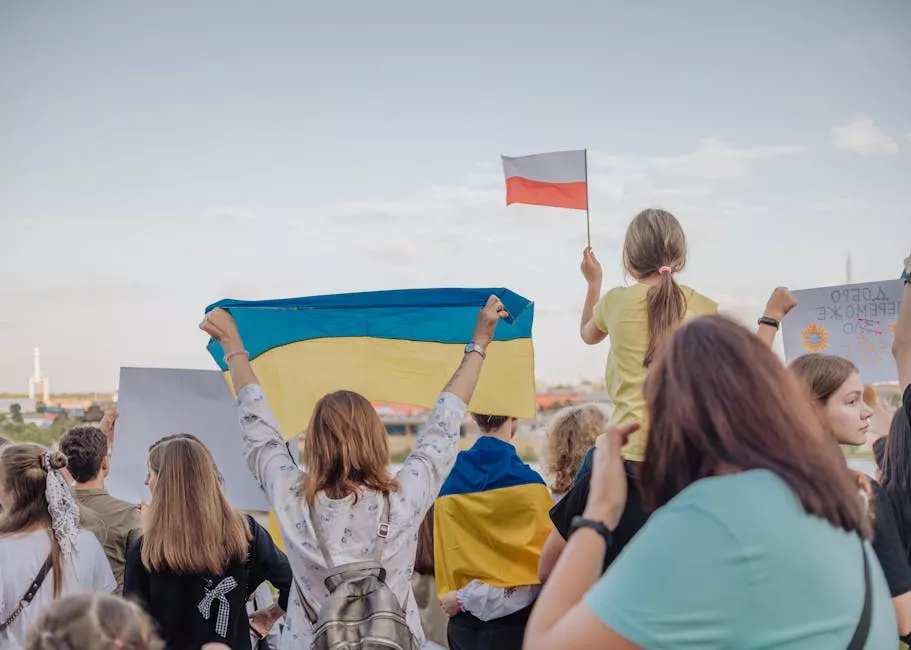
The conflict in Ukraine reached a somber milestone as the world marks four years since Russia commenced its aggressive military campaign in the region. This anniversary was characterized by solemn ceremonies, demonstrations of solidarity, and an ever-present sense of mourning for the lives interrupted by the unyielding conflict.
Historical Context
Russia's incursion into Ukraine began in 2014 with the annexation of Crimea and escalated in 2019 into a broader military offensive. What started as a geopolitical maneuver quickly morphed into an entrenched military conflict, testing the limits of international diplomacy and the resolve of the Ukrainian people.
Over the years, the conflict has been characterized by a tangled web of skirmishes along Ukraine's eastern border, economic sanctions imposed by Western nations on Russia, and a flurry of diplomatic engagements seeking a resolution. The Minsk Agreements, a set of international accords aimed at de-escalation, have thus far failed to yield peace, reflecting a broader stalemate in international diplomacy.
Regional Perspectives
The impact on Ukraine has been profound, with regions like Donetsk and Luhansk embroiled in a de facto warzone. The Ukrainian government, supported by Western allies, has fortified its resolve in the face of continued aggression. European Union and NATO countries remain crucial players, frequently shoring up Ukraine's defenses both politically and militarily.
On the Russian side, the narrative promoted to its populace often highlights a perspective of defending Russian interests and countering Western encroachment. The propaganda war has been fierce, shaping perceptions and fueling nationalism within Russia, even as sanctions bite into the economy.
Geopolitical Implications
On a broader scale, the conflict serves as a poignant reminder of the fragility of post-Cold War security structures in Europe. The war in Ukraine has stressed the importance of NATO's presence in Eastern Europe and has reinvigorated defense policies among EU member states, leading to a notable increase in military spending.
Furthermore, the situation presents a complex challenge for the global community, which finds itself divided in addressing the conflict. Countries like China and India have balanced their relations, maintaining economic ties with Russia while engaging with the West on economic fronts.
Enduring Consequences
The human toll of the conflict is staggering, with thousands of lives lost and millions displaced. Towns and cities bear the scars of battles, and international aid continues to flow in an attempt to address the humanitarian crisis.
The war's enduring nature has also raised questions about the efficacy of current international conflict-resolution mechanisms and the role major geopolitical players must undertake to return to a stable, peaceful order in the region.
Why It Matters
The significance of Russia's continued military engagement in Ukraine cannot be understated. This conflict is emblematic of a larger geopolitical struggle, one that pits Western democratic ideals against autocratic expansionism. For Europe, the war represents a direct threat to regional stability, compelling a reassessment of defense strategies and alliances.
Its global implications are equally daunting. The economic sanctions imposed on Russia have had worldwide repercussions, influencing global energy markets and trade routes. Additionally, the ongoing conflict poses significant challenges for international bodies like the United Nations in enforcing peace and the rule of law.
Moving forward, observers must watch for any shifts in strategic alignments or escalation in military activity, as well as potential softening of positions through diplomacy that might pave the way for a lasting peace.