Russia-Ukraine War Reaches Day 1,389: Key Developments Today
As the Russia-Ukraine conflict enters its 1,389th day, significant military and diplomatic developments continue to shape the ongoing war.

The Russia-Ukraine war has now persisted for 1,389 days, marking nearly four years of sustained conflict that has fundamentally altered the European security landscape and global geopolitical order. This protracted warfare continues to evolve with significant implications for international relations, military strategy, and humanitarian concerns.
Military Developments and Strategic Implications
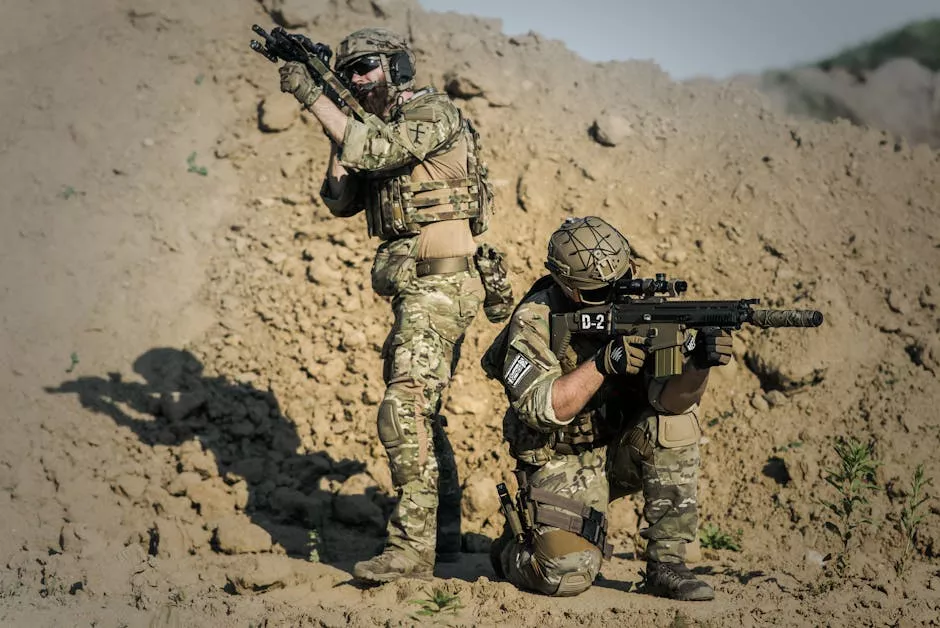
The current phase of the conflict demonstrates the entrenched nature of this war, with both sides adapting their strategies to accommodate long-term engagement. Russian forces have shifted from their initial rapid offensive approach to a more defensive posture in many sectors, while Ukrainian forces continue to leverage Western military aid and advanced weaponry to maintain operational flexibility.
The duration of this conflict has allowed for extensive military innovation and adaptation on both sides. Ukraine has demonstrated remarkable resilience in maintaining its defensive capabilities while conducting strategic counteroffensives. Meanwhile, Russia has had to recalibrate its military doctrine and resource allocation to sustain operations far longer than initially anticipated.
International Response and Diplomatic Efforts
The extended timeline of this conflict has tested international resolve and diplomatic frameworks. NATO and EU member states have maintained substantial support for Ukraine through military aid, economic assistance, and sanctions against Russia. However, the prolonged nature of the war has also created challenges for sustaining public support and managing economic impacts in supporting nations.
Recent diplomatic initiatives have focused on various peace proposals and ceasefire arrangements, though fundamental disagreements between the parties continue to impede progress toward a negotiated settlement. The international community remains divided on the most effective approaches to conflict resolution.
Humanitarian and Economic Consequences
After more than three and a half years of warfare, the humanitarian toll continues to mount. Civilian infrastructure remains a target of military operations, affecting essential services including power generation, water supply, and transportation networks. The refugee crisis has evolved into a long-term displacement challenge affecting millions of people.
The economic implications extend far beyond the immediate conflict zone. Global supply chains, energy markets, and food security have all been significantly impacted. European nations have accelerated their transition away from Russian energy dependence, reshaping continental energy policy for decades to come.
Looking Forward
As the conflict approaches its fourth anniversary, the international community faces critical decisions about long-term support strategies and potential pathways to peace. The resilience demonstrated by both military forces and civilian populations suggests that this conflict will continue to influence global geopolitics for years to come, regardless of when active hostilities eventually cease.