Russia Escalates Tensions with Ukraine Ahead of Invasion Anniversary
Russia attacks Ukraine with drones and missiles, intensifying conflicts despite recent U.S.-mediated peace talks.
Defense & Security Editor
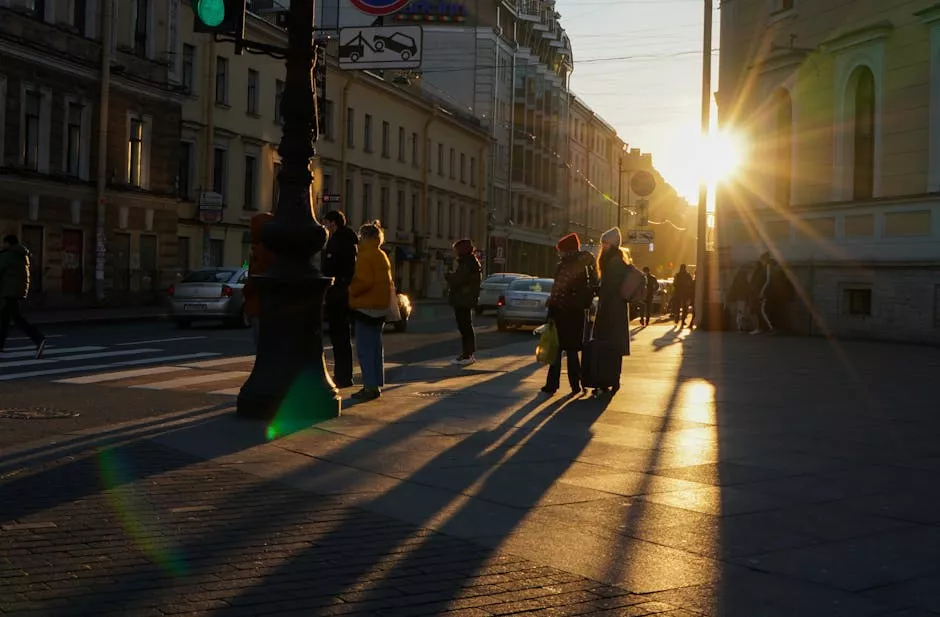
As the fourth anniversary of the Russian invasion of Ukraine looms, geopolitical tensions have reached a critical juncture with a recent wave of Russian drone and missile attacks on Kyiv. The assault resulted in the loss of at least one civilian life, adding another layer of complexity to the protracted conflict. This escalation comes mere days after the latest round of U.S.-mediated negotiations aimed at brokering peace.
Historical Context of the Conflict
The conflict in Ukraine began in 2014 when Russia annexed Crimea, a move that led to widespread condemnation and the imposition of sanctions by Western nations. Since then, the eastern regions of Donetsk and Luhansk have been the epicenter of intense fighting between Ukrainian forces and Russian-backed separatists. Efforts to de-escalate the situation through various international agreements, including the Minsk Accords, have seen limited success, often hampered by violations and mutual mistrust.
Recent Developments and the Current Situation
In recent months, attempts at diplomatic resolutions have gained momentum, with the U.S. playing a pivotal role in mediating talks. However, the latest attacks by Russia signify a potent reminder of the volatility that envelops the region. While both sides continue to espouse their commitment to finding peaceful solutions, incidents of violence have remained an almost daily occurrence, perpetuating the cycle of retaliation.
Regional Perspectives and Reactions
International reaction to the current flare-up has been swift, with NATO allies condemning the attacks and reaffirming their support for Ukraine's sovereignty. The European Union continues to deliberate on potential additional sanctions against Russia, seeking to balance punitive measures with efforts to maintain open channels of communication. The region’s fragile security landscape has implications far beyond its borders, affecting European energy supplies and contributing to the refugee crisis across the continent.
Implications for Global Stability
The ongoing conflict in Ukraine is a microcosm of larger geopolitical tensions between Russia and Western nations. The situation underscores the fragility of international security frameworks and highlights the challenges inherent in addressing state-sponsored aggression in a multipolar world. The continued discord threatens to undermine decades of diplomatic progress made in post-Cold War Europe.
Exacerbating matters, the economic ramifications of the conflict are profound, as energy markets react to uncertainties in the region. Europe's reliance on Russian gas supplies complicates the bloc’s responses, as leaders must weigh sanction policies against domestic economic needs.
The Path Forward
As stakeholders weigh their next steps, the prospects for peace are shrouded in uncertainty. Diplomatic efforts must continue, with a renewed focus on sustainable conflict resolution mechanisms that address both immediate security concerns and the root causes of the discord. The role of international institutions remains critical in facilitating dialogue, imposing accountability, and ensuring that humanitarian needs are met amidst the ongoing crisis.
Why It Matters
The recent Russian attacks on Ukraine signify an ominous intensification in a conflict entering its fourth year, reinforcing the notion that the region remains one of the globe's most perilous flashpoints. The tension not only jeopardizes regional security but also strains international diplomatic alliances, as Western countries debate stronger responses in light of potential political and economic repercussions. Monitoring how these developments evolve is crucial for understanding broader geopolitical shifts, the recalibration of global power dynamics, and the endurance of international law in the face of unilateral aggression.