Russia's Enduring Conflict in Ukraine: Economic Ripple Effects
Russia's protracted conflict in Ukraine reshapes its economy and society, facing rising domestic challenges and international responses.
Defense & Security Editor
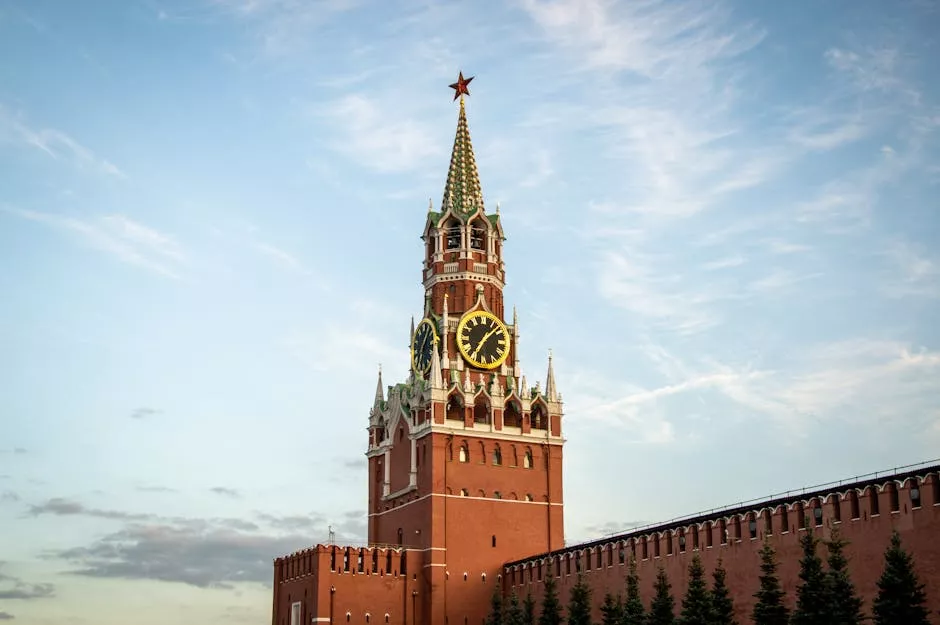
Four years since Russia escalated its military actions in Ukraine, the war's reverberations continue to unfold on multiple fronts. Domestically, Russia faces an economy grappling with sanctions, reduced exports, and a shift in investment priorities. Internationally, the conflict has redefined alliances and provoked vigorous debates on security and diplomacy.
Historical Context and Escalation
The roots of Russian-Ukrainian tensions trace back to 2014 when Russia annexed Crimea, setting off a series of geopolitical standoffs and sanctions by Western nations. However, it was in [YEAR] when Russia initiated a full-scale invasion of Ukraine, citing security concerns and politics over territorial integrity, that the war reached its current intensity. This move drastically altered the region's stability, thrusting Eastern Europe into a persistent state of conflict.
Economic Strains Within Russia
Economically, the effects of ongoing military engagements in Ukraine have manifested markedly. Sanctions led by the United States and the European Union have sapped key sectors of the Russian economy, particularly energy exports, which are pivotal to the nation's GDP. Responding to the sanctions, Russia attempted to pivot towards regions in Asia and the Middle East to sustain its energy markets, albeit with mixed success.
The Russian government is spending heavily on military operations, skewing its budget away from domestic welfare and infrastructure projects. This has sparked civil unrest, with citizens experiencing stark income devaluation and inflation, compounded by job losses in sectors reliant on international companies that have pulled out.
Social Repercussions
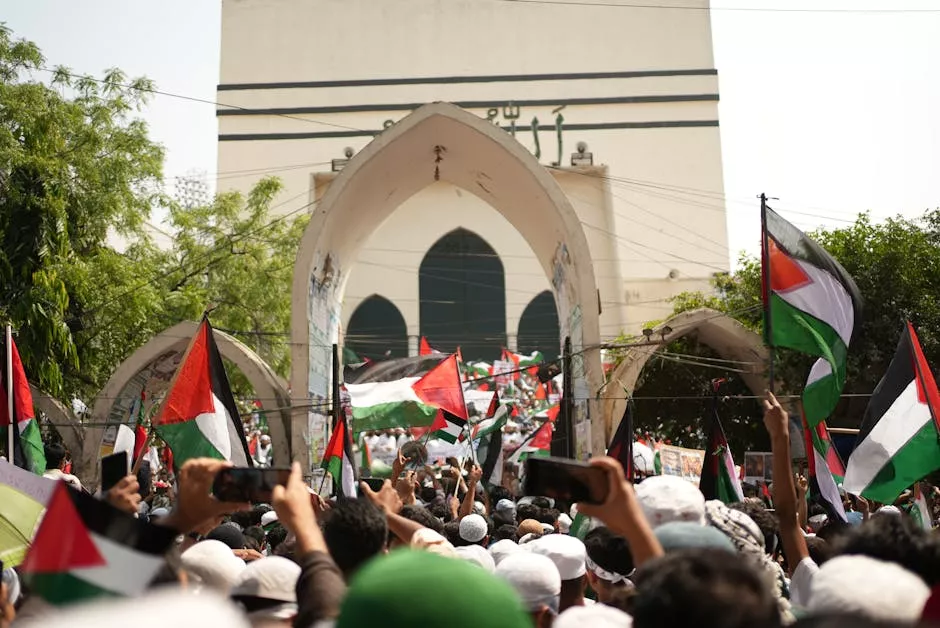
This economic upheaval is reflected in Russia’s society, where the populace contends with twofold challenges: the human toll of war and the socio-economic destabilization bred by geopolitical strategies and counterstrategies. As consumer goods become scarce and prices soar, public discontent grows, leading to increased public demonstrations and dissent against Kremlin policies.
Geopolitical Implications
Geopolitically, the war has fractured Russia's relations with several European countries, compelling a reevaluation of NATO's strategy in Eastern Europe. Countries like Poland and the Baltic states have increased defense spending and military readiness, viewing Russia's actions as an existential threat. This militarization wave has intensified transatlantic dialogues focused on bolstering security alliances.
Globally, Russia's alignment with non-Western powers, such as China, introduces new dynamics to international politics. Both nations share strategic interests, yet the partnership also obscures a strategic chessboard as China monitors the Western response to Russia's actions.
Looking Ahead
Ahead of the fifth year mark in this conflict, questions loom over potential resolutions. Diplomatic avenues appear fragmented, with back-channel negotiations suffering from mistrust among involved parties. Economists predict a prolonged struggle could ripple further into global markets, impacting everything from energy prices to food security.
Why It Matters
Why It Matters: The ongoing conflict in Ukraine is a pivotal event reshaping not just regional but global geopolitics. Russia's war strategy underscores a critical juncture in international relations, compelling countries to redefine alliances and defense strategies. The continued economic pressure on Russia, if sustained, could have far-reaching consequences, encouraging internal dissent or a pivot in Russian policy. Observers should watch for shifts in energy markets as well as any diplomatic breakthroughs which may catalyze broader reconciliations or conflicts.