Russia Grapples with Economic Fallout from Ukraine Conflict
Russia's economy struggles four years into the Ukraine war, affecting daily life and regional stability.
Senior Geopolitical Analyst
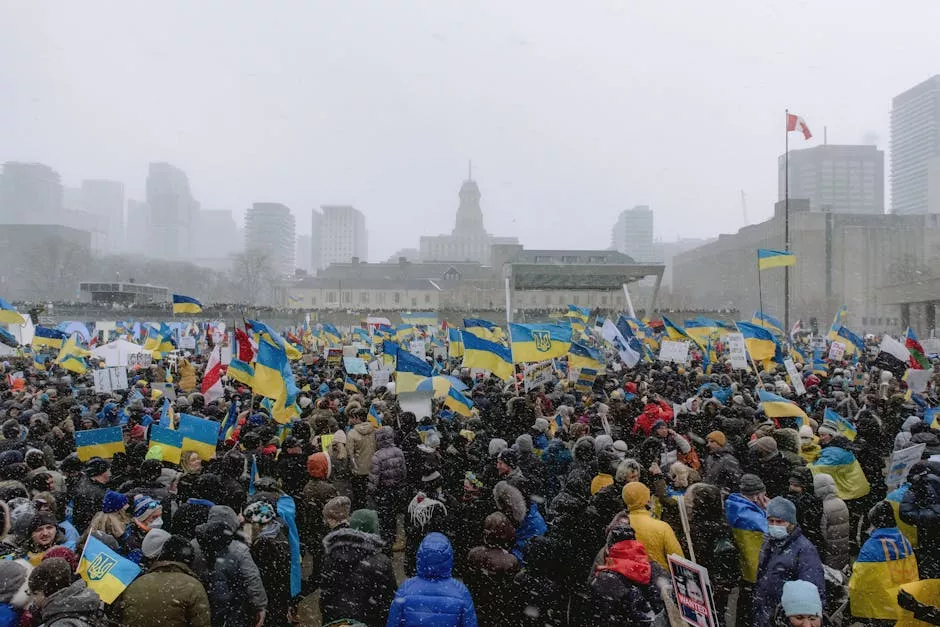
The war in Ukraine has entered its fourth year, leaving a significant mark on the global geopolitical landscape. For Russia, the economic ramifications are becoming increasingly tangible, affecting not only the nation’s economy but also the everyday lives of its citizens. As global powers continue to scrutinize Russia’s actions and impose sanctions, the Russian economy feels the strain in several sectors including energy, finance, and technology.
Historical Context of the Conflict
The roots of the conflict can be traced back to 2014 with Russia's annexation of Crimea, leading to initial sanctions. The 2019 escalation into a full-scale war saw an intensification of these sanctions, affecting trade relationships and crippling various economic sectors in Russia. This has left the nation in a precarious position as it juggles international backlash and internal economic pressures.
Impact on the Russian Economy
The most noticeable effect has been on Russia’s oil and gas industry, a cornerstone of its economy. Sanctions have limited access to Western technology and investment, resulting in decreasing efficiency and production capacity. The energy sector, which once soared, now faces increased global competition and a shift towards sustainable energy resources.
Moreover, the financial sanctions have isolated Russia from major international markets, with the ruble experiencing significant depreciation. This has led to inflationary pressures within the country, increasing the cost of living and impacting everyday Russians.
Coping Strategies Among Russians
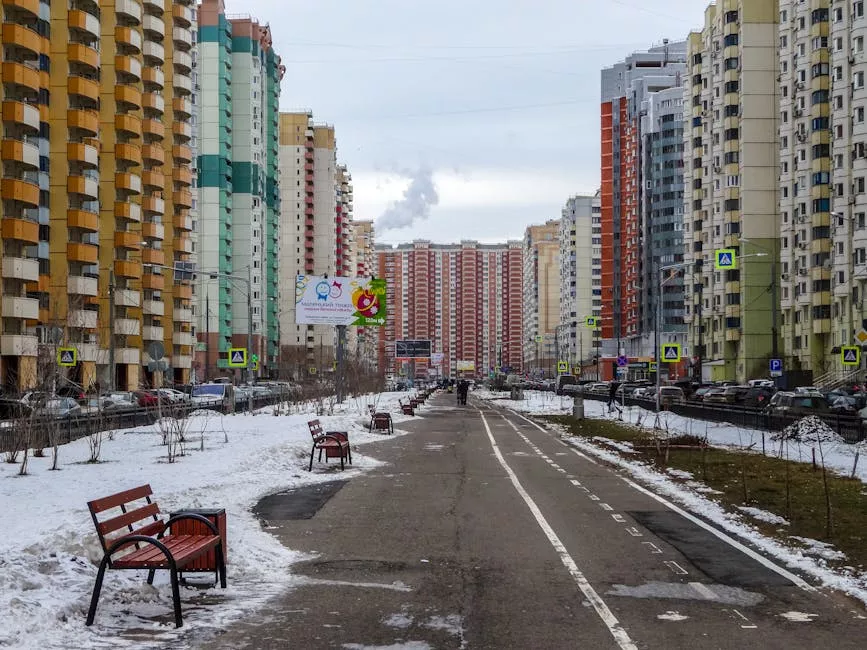
Amid economic hardships, Russian citizens have adapted in various ways. Many have turned to alternative economies, relying on barter systems and informal jobs to make ends meet. Despite government attempts to stabilize the situation, widespread discontent is apparent, with protests becoming more common in urban areas.
Government relief efforts, though present, struggle under the dual weight of economic sanctions and war expenses. This has increased the pressure on President Vladimir Putin’s administration to find sustainable solutions to counteract the war's financial burdens.
Regional and Global Implications
The conflict's extension and the resultant economic strain have further isolated Russia from Western nations, potentially forcing it into closer ties with Eastern powers such as China and India. This shift could rebalance global power dynamics and influence future geopolitical alliances.
Neighboring European countries face heightened security concerns and energy supply issues, prompting a reevaluation of dependency on Russian resources. This has accelerated the EU and NATO’s strategic diversification in terms of energy sources and security partnerships.
Why It Matters
Why It Matters: The ongoing conflict and its economic toll on Russia are pivotal in understanding current global power structures. Russia’s diminishing economic power may sway it to pursue alternative alliances or aggressive tactics to regain its footing, potentially destabilizing regions beyond Eastern Europe. Observers should watch for shifts in international collaborations and resource dependencies as other nations respond to a weaker Russian economy. As the global community navigates this turbulent period, maintaining stability while ensuring diplomatic channels remain open will be crucial.