Rising Pakistan-Afghanistan Tensions: Recent Bombings Explained
Recent bombings by Pakistan mark a new phase in its strained relations with Afghanistan, escalating tensions while their physical impacts remain uncertain.
Senior Geopolitical Analyst
Recent Escalation in Pakistan-Afghanistan Relations
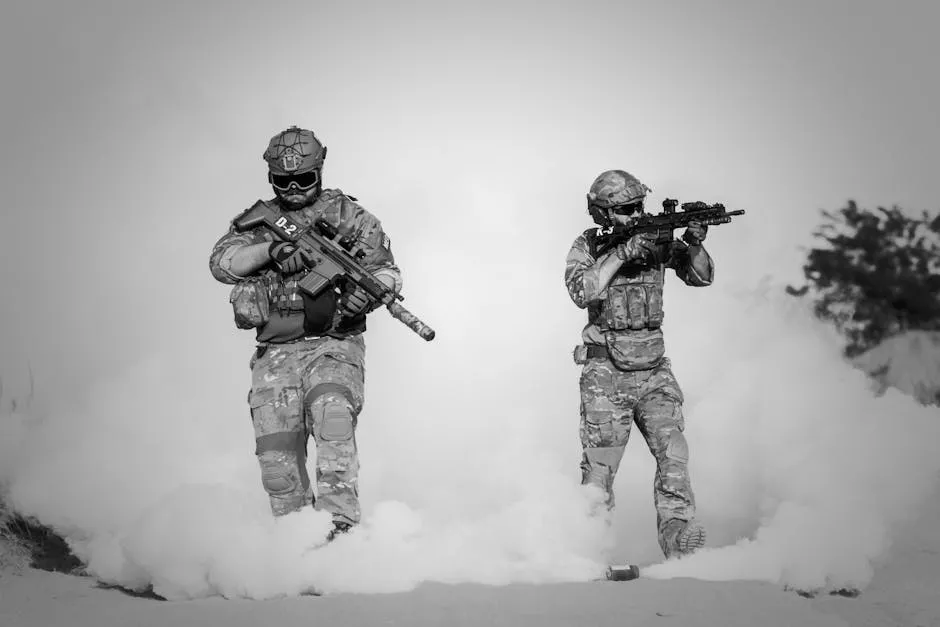
The longstanding tensions between Pakistan and Afghanistan have taken a perilous turn following recent bombings reportedly conducted by Pakistan. This episode has escalated the already fraught relations between these neighboring countries, which share a complex web of historical, political, and cultural ties.
Background of Pakistan-Afghanistan Relations
Pakistan and Afghanistan have endured a tumultuous relationship marred by mutual distrust, largely rooted in their differing alignment and objectives in the region. Historically, Afghanistan has accused Pakistan of providing sanctuary to the Taliban, while Pakistan has consistently alleged that Afghanistan shelters anti-Pakistan insurgents. The porous border known as the Durand Line has been a persistent point of contention.
After the Taliban takeover in Afghanistan in 2021, there was a brief period of cautious optimism in diplomatic relations. However, as Taliban policies have taken shape, tensions have resurfaced, leading to increasingly strained interactions between the two governments.
The Latest Developments
The latest bombings are being viewed as a significant development, though the specifics of the attacks, including the exact targets and resultant damage, remain somewhat ambiguous. The Pakistani government has yet to fully disclose the goals behind these military actions, while the Afghan government has condemned any form of aggression and vowed to take necessary defensive actions.
This is part of a broader pattern of military provocations that have seen both sides increase their defensive postures along the border. The bombings reportedly aim at disrupting perceived threats emanating from Afghanistan, particularly concerning cross-border insurgencies targeting Pakistan.
Regional Implications
The ripple effects of this escalation are being felt across the region, impacting not only bilateral relations but also involving larger geopolitical dynamics. Given Afghanistan's strategic location as a land bridge in the heart of Asia, tensions here have historically drawn in major powers. The current situation could affect regional stability, including relations with neighboring countries like Iran, India, and China.
Moreover, the ongoing humanitarian issues within Afghanistan, exacerbated by these tensions, call for urgent international attention. Afghans continue to face significant challenges, including displacement, food scarcity, and limited access to emergency aid.
International and Geopolitical Response
The international community's response to these tensions might influence broader geopolitical alignments. Countries like China and Russia, with strategic interests in the region, might play diplomatic roles in mediating talks or de-escalating tensions. Similarly, the role of the United States in providing or withholding aid and support could pivot depending on how the situation evolves.
Diplomatic channels remain key to resolving such disputes, but with the ongoing humanitarian crisis, the international community has to ensure that humanitarian aid and support mechanisms do not fall victim to geopolitical maneuvering.
Why It Matters
Why It Matters
This escalation in Pakistan-Afghanistan tensions embodies a critical juncture in South Asian geopolitics. It underscores the fragility of peace in a region marked by historical animosities and complicated alliances. With Afghanistan already in a precarious state post-Taliban takeover, the bombings add a layer of uncertainty that could destabilize the region further. The actions of regional and global powers in response to these events could redefine alliances and geopolitical strategies. Watch for diplomatic moves and statements from major powers as they navigate these tensions and potentially broker peace talks to prevent a full-scale conflict.