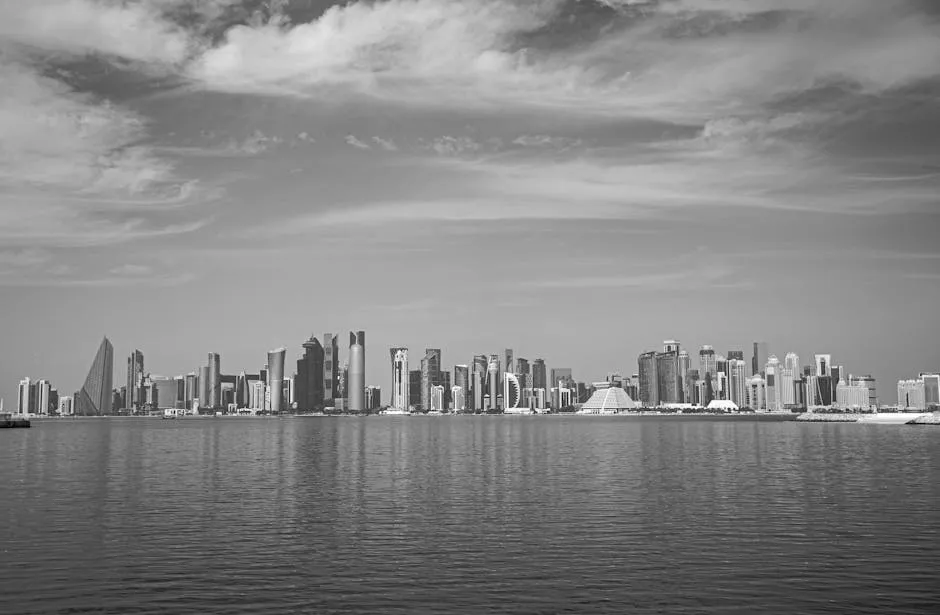
Qatar GP Postponed Amid US-Israel Conflict with Iran Escalation
The Qatar Grand Prix, originally set for April, is postponed due to the escalating conflict between the US-Israel and Iran, impacting regional stability.
Africa & Global Economy Correspondent
Escalating Conflict in the Middle East Leads to Sports Disruptions
The MotoGP calendar has been disrupted as the Qatar Grand Prix, initially scheduled for April 10-12, has been postponed to November 2023. This decision comes amid escalating tensions and military encounters stemming from a burgeoning conflict between the United States, Israel, and Iran. This geopolitical turmoil has raised safety concerns and highlighted the pervasive impact of regional instabilities on global sporting events.
Historical Context of Middle East Tensions
The Middle East has long been a cauldron of political and military conflicts, deeply rooted in religious, ethnic, and historical disputes. The US-Iranian tensions intensified following the US withdrawal from the Joint Comprehensive Plan of Action (JCPOA) in 2018, subsequently leading to severe economic sanctions on Iran. These hostilities were further inflamed by regional confrontations, notably involving Israel's proactive defense strategies against Iranian influence in Syria and elsewhere.
Regional Reactions and Implications
Regional powers have been quick to respond to the increasing hostilities. The Gulf Cooperation Council (GCC) states, particularly those closer to the zone of conflict such as Qatar and Saudi Arabia, face mounting pressure to balance their diplomatic ties and security alliances. The strategic interests of these nations are intricately tied to both Western alliances and regional stability, posing a complex diplomatic challenge.
Meanwhile, Iran's alliances with non-state actors across the region further compound the threat of a wider escalation. The reported exchange of missile strikes and naval altercations in the Persian Gulf illustrates the fraught maritime security situation, further impacting global oil markets and trade routes.
Impact on Global Sports and Economy
The decision to postpone the Qatar GP underscores the far-reaching consequences of geopolitical instability. This deferral marks a significant disruption in the MotoGP series, highlighting the sensitivity of international sports schedules to geopolitical events. The MotoGP organizing body emphasized the safety of participants and spectators as the paramount concern, with hopes to restore normal scheduling provided stability resumes.
This postponement is symbolic of broader interruptions faced globally across various industries as geopolitical tensions rise. The ripple effects on sectors such as tourism, trade, and energy pose additional challenges, with potential implications for global economic stability and growth. The situation also brings into focus Qatar's evolving role in mediating regional tensions while maintaining its burgeoning status as a cultural and sporting hub in the Middle East.
Conclusion: A Call for Diplomatic Resolutions
The postponement of the Qatar GP serves as yet another reminder of the urgent need for diplomatic engagements aimed at de-escalating regional tensions. It highlights a critical juncture where international stakeholders must prioritize dialogue and peaceful negotiations to avert further instability in the Middle East and beyond.
Why It Matters
Why It Matters: The global implications of the US-Israel war on Iran extend far beyond immediate military and regional concerns. As we witness events like the postponement of the Qatar Grand Prix, it's clear that geopolitical unrest affects international sports and underscores vulnerabilities in interconnected global sectors such as energy and trade. Observers should watch for how this conflict influences diplomatic relations within the Gulf and impacts global oil supplies. Further, a prolonged conflict could redefine alliances and power structures in the Middle East, affecting global geopolitical dynamics and economic forecasts.