Punch the Monkey: Rising Star in Japan Zoo Amid Tourists' Fervor
Punch, a 9-month-old macaque, captivates crowds at a Japanese zoo, becoming a major attraction by ignoring the frenzy. Discover his story.
Defense & Security Editor
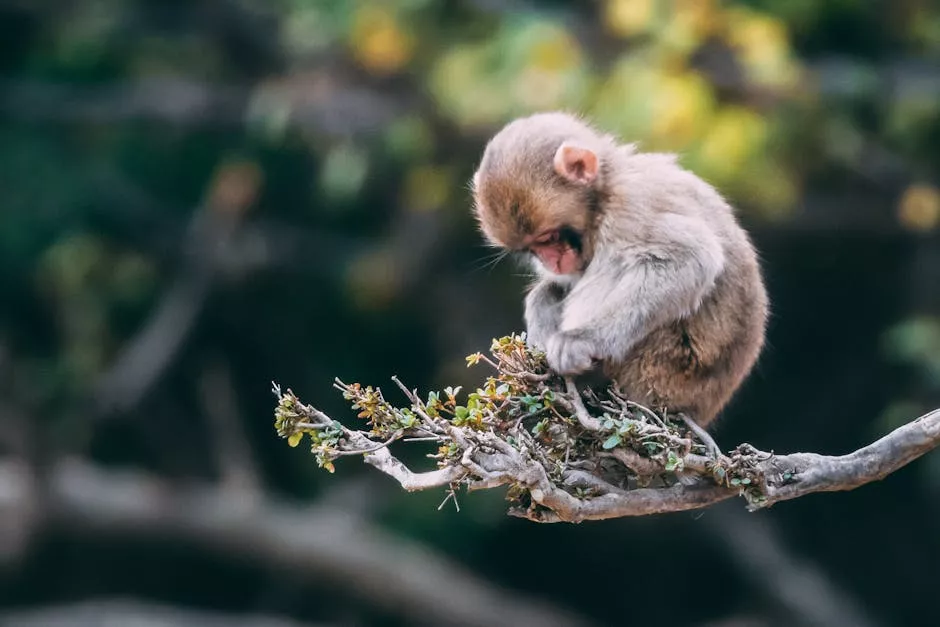
The Unexpected Rise of Punch
In the serene landscape of a small-town zoo in Japan, a surprising star has emerged—a 9-month-old macaque named Punch. Despite his young age, Punch has managed to attract tens of thousands of visitors, turning the zoo into an unexpected tourist hotspot. His fame, however, is unintentional. While hordes of admirers and onlookers flock to catch a glimpse of him, Punch remains blissfully indifferent to the attention.
A Small Town's Big Attraction
Japan, renowned for its bustling metropolises and quaint villages, hosts a multitude of zoos. Yet, it's this modest establishment that has garnered the spotlight thanks to Punch. Visitors travel from various regions to witness this charming primate, showcasing the universal allure of wildlife, bridging cultural and geographic divides.
Historical and Cultural Context
Macaques hold a significant place in Japanese culture. Known as the snow monkeys of the north, these creatures are endemic to Japan and revered for their intelligence and social structures. Historically, they are depicted in traditional Japanese art and religion as messengers of the gods, carrying mystical connotations.
This cultural reverence adds a layer of interest for the Japanese public and further explains the phenomenon surrounding Punch. He is not merely a zoo attraction but also a living embodiment of cultural heritage, igniting both nostalgia and curiosity among visitors.
Tourism and Regional Implications
The surge in visitors due to Punch's fame has substantial implications for the local economy. The influx of tourists revitalizes local businesses, from shops to hotels, fundamentally transforming the area into a bustling micro-economy. It highlights how a single wildlife star can alter the economic dynamics of a region.
Geopolitical and Environmental Considerations
This phenomenon is not just a quaint local story but part of a broader geopolitical context involving wildlife preservation and eco-tourism. As interest in Punch grows, so do concerns about the conservation of macaque habitats and the ethical dimensions of wildlife tourism.
Countries worldwide are grappling with the implications of increased human contact with wildlife, balancing economic benefits with ecological responsibilities. In Japan, the interest in Punch reflects a broader trend toward merging economic strategies with sustainability priorities.
Why Local Stories Matter Globally
In an era defined by rapid globalization, local events like Punch's story can yield insights into broader global narratives. It underscores the interconnectedness of cultural preservation, tourism, and environmental sustainability within the geopolitical landscape.
Why It Matters
Why It Matters
The story of Punch the monkey transcends a quaint tale from a Japanese zoo. It exemplifies key issues regarding wildlife tourism and its economic potential, stressing the importance of preserving natural habitats while fostering socio-economic development. As Japan navigates this balance, global observers must consider the ramifications of such attractions on broader sustainability goals and cultural preservation. Punch’s phenomenon reminds us of the delicate equilibrium between progress and preservation spurring discussions worldwide on wildlife conservation and tourism ethics. As similar attractions emerge globally, strategies employed in Punch’s case could serve as a model or cautionary tale for future developments in this burgeoning sector.