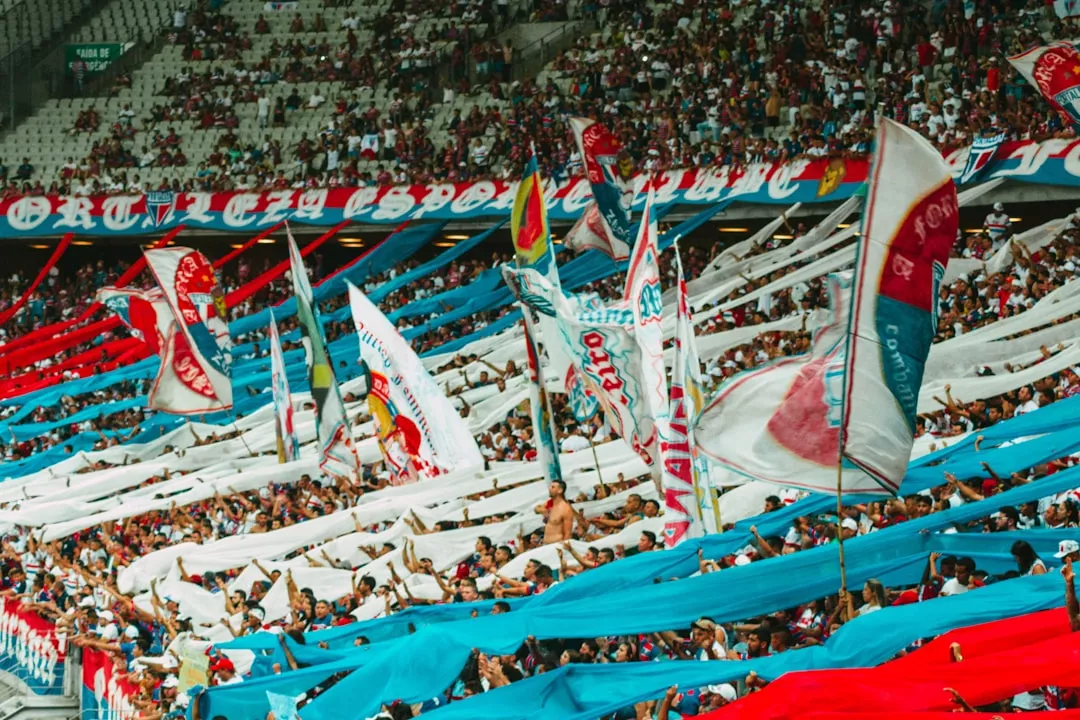
PSG Advances to Champions League Final, Facing Arsenal Showdown
PSG reaches the Champions League final after drawing 1-1 with Bayern, securing a 6-4 aggregate win. A thrilling final against Arsenal awaits.
Middle East & Diplomacy Specialist
Paris Saint-Germain clinched their spot in the Champions League final after a tightly contested 1-1 draw against Bayern Munich in the Allianz Arena, closing the semifinal tie with an aggregate score of 6-4. Their victory not only marks a significant achievement for the French club but also sets the stage for a high-stakes final against Arsenal. This triumph underscores PSG's growing dominance in European football and highlights the club's strategic investments paying off on the grandest stage.
A Historic Journey to the Final
PSG's journey to the final has been a testament to their consistent performance throughout this year's Champions League campaign. Led by their talismanic forward line, featuring world-class players like Kylian Mbappe and Neymar, PSG has demonstrated both flair and tactical acumen. The strategic brilliance of their manager, which emphasized a balanced approach between attack and defense, has been pivotal in their successful run.
The semifinal clash against Bayern Munich was highly anticipated, given Bayern's storied history in the competition and their status as defending champions. Bayern's strength lies in their robust midfield and formidable attacking prowess. However, PSG's resilient defense and swift counter-attacks proved too challenging for the German giants to overcome in aggregate.
Geopolitical and Sporting Significance
The upcoming final against Arsenal carries broader implications beyond sporting glory. Both clubs have invested heavily in recruiting top-tier talent, banking on international stars to elevate their status in Europe's premier competition. This final symbolizes more than just a battle for the illustrious trophy; it's a clash of footballing philosophies and regional rivalries.
Arsenal, representing the Premier League, brings the competitive spirit and prestige of English football into the fray. The Premier League is widely regarded for its competitiveness and financial clout, thanks in part to lucrative broadcast deals and a global fanbase. Arsenal's journey to the final is seen by many as a resurgence of English teams on the European stage, echoing past successes in European competitions.
From a geopolitical standpoint, the Champions League serves as a platform for commerce and cultural exchange. European football clubs have long been symbols of regional pride and socio-economic aspirations. PSG's Qatari ownership highlights the growing influence of Middle Eastern stakeholders in European football, a trend that amplifies the sport's global reach and commercial appeal.
What Fans Can Expect
The Champions League final promises a spectacle of skill, strategy, and tension. PSG will likely rely on their swift transition game and the creative interplay of Mbappe and Neymar to unlock Arsenal's defense. Meanwhile, Arsenal will aim to leverage their deep squad, orchestrating attacks through their dynamic midfield and exploiting any vulnerabilities in PSG's backline.
For viewers, this match is not just about the pursuit of a trophy. It represents the apex of footballing excellence, where strategy meets unpredictability, and where clubs seek to etch their names in history. Both teams are eager to capitalize on this opportunity, with PSG looking to secure their maiden Champions League title and Arsenal aiming to reaffirm their status among Europe's elite.
Why It Matters
Why It Matters: The upcoming Champions League final between PSG and Arsenal is more than a showcase of elite sportsmanship; it reflects broader trends in global sports diplomacy and economics. As clubs owned by diverse international interests clash, the match epitomizes the interconnectedness of sport and global finance. This event could further influence the growth of football markets in regions like the Middle East, where sports investments are increasingly pivotal. Fans and analysts will watch closely how this final could shape future dynamics of club ownership and the evolution of international sports relations.