Pakistan Caught in Escalating US-Iran Conflict Amid Energy Crisis
Pakistan faces unrest amid US-Israel-Iran tensions, escalating energy crises and public discontent.
Defense & Security Editor
The geopolitical landscape in the Middle East has once again reached a boiling point following recent military actions by the United States and Israel targeting Iranian infrastructure. This escalation has reverberated across nearby regions, notably impacting Pakistan, which now finds itself entangled in the resulting geopolitical turbulence and an intensifying domestic energy crisis.
US-Israel Strikes on Iran: A Catalyst for Regional Chaos
In the past few weeks, coordinated strikes by the US and Israel have targeted key Iranian military installations. Ostensibly designed to curtail Iran’s nuclear ambitions and regional influence, these operations have instead exacerbated pre-existing tensions in the region. The immediate aftermath has seen Iran threatening retaliatory measures, with ripples of instability spreading swiftly to its neighbors, particularly Pakistan.
The Energy Crisis in Pakistan
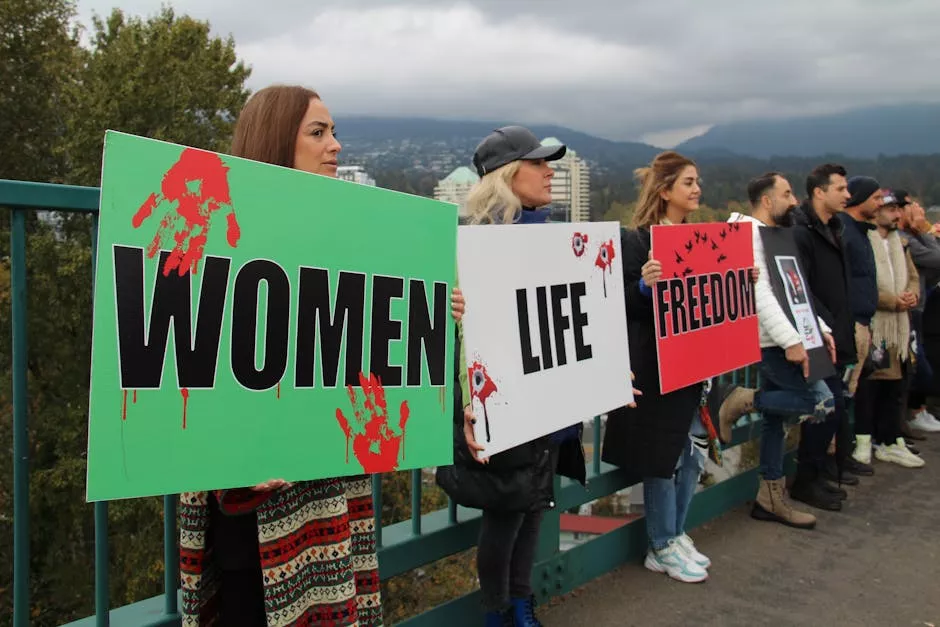
As one of the world’s most populous Muslim nations, Pakistan is especially vulnerable to external shocks, particularly in its energy sector. Iran has been a critical supplier of natural gas to Pakistan, and the recent strikes have disrupted this supply chain significantly. The shortages have not only led to crippling power outages across major cities but have also fueled public discontent and deadly protests, amplifying the nation’s internal challenges.
Historical Ties and Current Predicaments
The historical relationship between Pakistan and the United States has been complex, shaped by decades of military and economic cooperation, tempered by periods of discord. Under the Trump administration, Pakistan received praise for its counterterrorism efforts. However, this newfound kinship is proving costly as Pakistan risks being drawn into a confrontation not of its making.
Moreover, Pakistan's delicate diplomatic dance with neighboring Iran is under immense pressure. As Tehran lobbies for regional support, Islamabad grapples with maintaining neutrality in a climate where choosing sides could have severe repercussions for its national security and economic well-being.
Regional Perspectives
The regional perspective is crucial in understanding the multifaceted implications of these developments. While nations within the Gulf Co-operation Council (GCC) cautiously observe the escalation, wary of further destabilization, Pakistan’s predicament illustrates the delicate balance non-GCC Muslim nations must maintain amidst major Middle Eastern conflicts.
The impact on Afghanistan is also worth noting, given Pakistan’s strategic role in Afghan peace processes. Increased instability in Pakistan could undermine progress in Afghanistan, amplifying fears of a broader regional security crisis.
Geopolitical Implications
At the core of these tensions lies the geopolitical chess game between major powers. For the United States and its allies, the primary goal remains containing Iranian influence; however, the unintended consequences on allied nations like Pakistan reveal the broader risks inherent in such strategies.
Pakistan’s government is now pressed to enhance its energy strategy, seeking alternative suppliers to mitigate the crisis. This situation may prompt Islamabad to strengthen ties with other regional players such as China, which could offer alternative energy routes and infrastructural investments.
Conclusion
The unfolding scenario underscores the complex web of geopolitical alliances and conflicts that characterize the Middle East and South Asia today. As Pakistan navigates these turbulent waters, the geopolitical stakes are higher than ever, requiring careful diplomacy and strategic foresight to avoid falling into deeper instability.
Why It Matters
The current crisis illustrates the interconnectedness of regional politics and the unintended consequences of military action on neutral territories. With Pakistan's energy infrastructure imperiled and public unrest mounting, the international community should observe how Islamabad maneuvers through this complex landscape. There is potential for realignment of regional alliances as Pakistan may seek new sources of energy and possibly pivot towards China. Readers should watch how Pakistan addresses its energy shortages, the potential shifts in its foreign policy, and any resultant changes in its domestic landscape that might arise from continued violence and unrest.