Escalation at the Border: Pakistan's Open War with Afghanistan
Pakistan declares open war on Afghanistan after tensions escalate post-Taliban power resurgence.
Middle East & Diplomacy Specialist
The fragile peace between Pakistan and Afghanistan has been shattered as Pakistan declared an 'open war' against the Taliban-controlled Afghanistan. This escalates decades-old border tensions, rooted in historical disputes and amplified by the Taliban's return to power in 2021.
Historical Context: An Uneasy Relationship
Pakistan and Afghanistan have shared a tumultuous relationship primarily due to their border, the Durand Line, a colonial-era front that Afghanistan has never officially recognized. Over the years, this frontier has been a flashpoint of tension, exacerbated by cross-border terrorism and refugee crises.
Since the Taliban assumed control of Afghanistan after the U.S. withdrawal in August 2021, the dynamics between the neighboring countries have grown more complex. The Pakistani government has supported various factions in Afghanistan since the 1980s, thus intertwining its political future with its neighbor.
Tensions Boil Over
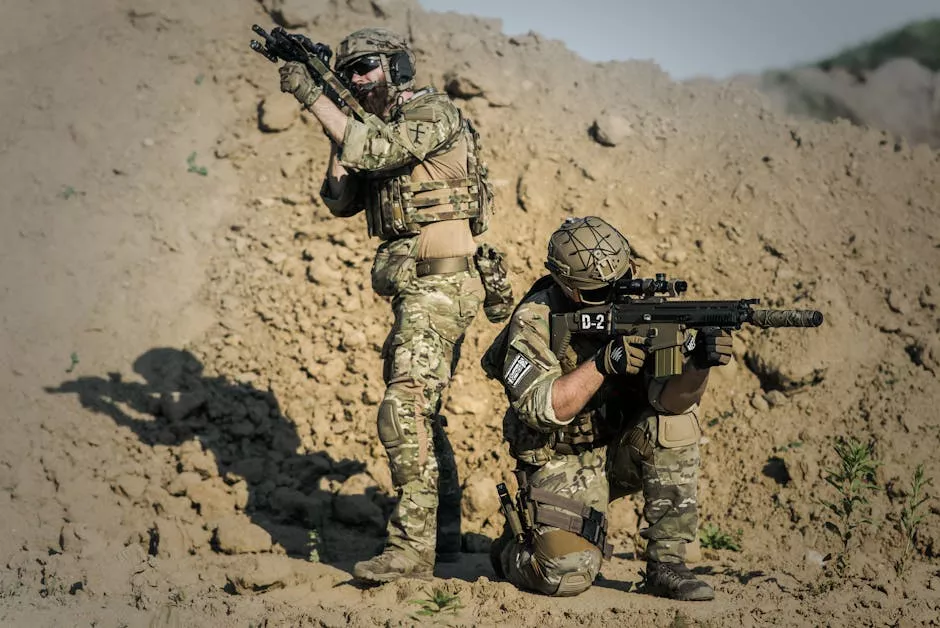
On Thursday, an Afghan offensive at the border escalated into a severe conflict, prompting Islamabad to respond with airstrikes in the Afghan capital, Kabul. This marked a significant shift from the diplomatic gestures previously shown by both countries to maintain a fragile peace.
Pakistan's government justified its military retaliation as a necessity to protect its territorial integrity against Afghan-based insurgents, urging international allies to take note of the Taliban's border provocations.
Geopolitical Implications: A Call for International Attention
The conflict's escalation could have broad regional implications. Both countries play pivotal roles in South Asia’s stability, and their rivalry may invite interventions from global powers, seeking to expand their influence.
China, closely allied with Pakistan, may express support, adding another layer of complexity to its relationship with the U.S., which is already engaging in diplomatic discussions with Taliban leaders concerning humanitarian aid and counter-terrorism collaborations.
The European Union and neighboring India watch with concern, aware that border destabilization could lead to increased refugee flows and regional security challenges.
Regional Perspectives and Reactions
Afghanistan, under Taliban governance, insists that peace is possible only with mutual respect and recognition of borders. However, critics argue that the continuous harboring of insurgent groups within its borders undermines its credibility.
Within Pakistan, the military's heavy-handed approach finds support among nationalist factions, though it faces criticism for potentially sparking a prolonged conflict that can drain economic resources and divert attention from domestic issues such as economic recovery and political instability.
Looking Forward: Uncertain Future
As the international community urges de-escalation, the core issues remain unaddressed, leaving the region in a precarious state. The declared 'open war' between two nuclear-capable states adds significant tension to an already volatile region, demanding immediate diplomatic engagement to avert further deterioration.
Why It Matters
The escalation between Pakistan and Afghanistan is significant not only for the immediate region but also for global security. These events could destabilize the wider South Asian area, which already faces various challenges, including ethnic tensions and economic disparities. An open conflict could potentially draw in global powers, complicating international relations further. The situation also affects U.S. and NATO strategies in the region as they navigate post-withdrawal relationships with both countries. Observing how China positions itself in support of Pakistan and how the Taliban responds to international diplomatic pressures will be crucial. The development raises urgent questions about effective responses to complex cross-border security threats in a globalized world.