Rising Tensions at Pakistan-Afghanistan Border: Over 300 Taliban Dead
Recent border conflicts between Pakistan and Afghanistan claim over 300 Taliban fighters, escalating tensions and prompting concerns over regional stability.
Senior Geopolitical Analyst

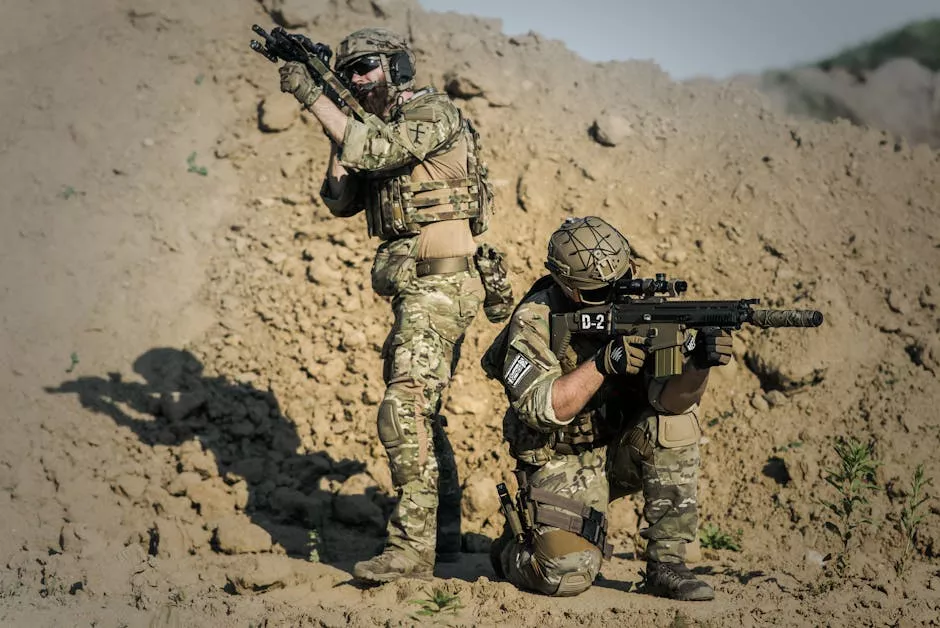
The volatile Pakistan-Afghanistan border region is once again in the global spotlight following a series of violent encounters resulting in the death of over 300 Afghan Taliban fighters, according to statements from Pakistani military officials. These fatal clashes, fueled by airstrikes from the Pakistani side, highlight the persistent instability in one of the world's most tumultuous regions.
Background of the Conflict
The Pakistan-Afghanistan border, particularly the Durand Line—a colonial-era demarcation—has long been a flashpoint for regional discord. Since the Taliban's resurgence in Afghanistan in 2021, Pakistan has grappled with renewed security challenges, fearing spillover effects of militancy. The Taliban's return to power has rejuvenated militant activities along Pakistan's border regions, complicating Pakistan's internal security dynamics.
Recent Escalations
In the latest hostilities, Pakistani armed forces initiated airstrikes in response to alleged cross-border infiltration attempts by Taliban fighters. According to the Inter-Services Public Relations of Pakistan, these operations were necessary defensive measures against escalating threats. Conversely, the Taliban have branded Pakistan's actions as unilateral aggression, exacerbating bilateral tensions.
Amid these confrontations, Taliban spokespersons claim they managed to shoot down a Pakistani fighter jet, a claim that Pakistani authorities have vehemently denied, asserting no loss of aircraft and questioning the veracity of Taliban reports.
Regional and International Implications
These cross-border skirmishes signify broader geopolitical implications, potentially destabilizing regional security architecture. Pakistan, a key player in South Asian geopolitics and a critical ally in U.S.-led counterterrorism operations post-9/11, finds itself in a precarious position. Its strategic calculus is further complicated by its historically ambivalent relationship with the Taliban and other non-state actors wielding influence in Afghanistan.
Moreover, these developments risk diverting attention and resources away from Pakistan's domestic priorities, including its economic recovery and internal security enhancements.
Historical Context
The tribal areas straddling the Pakistan-Afghanistan border have been contentious and difficult for any centralized government to control effectively. Post-2001, as the Taliban regime in Afghanistan fell, many fighters found refuge in Pakistan's tribal regions. This reverse migration has been a source of tension for the Pakistani state, which faces international pressure to act against these elements.
The Taliban's recent ousting of U.S.-backed Afghan forces has emboldened insurgent activities, challenging regional powers to recalibrate their strategic approaches to counter this emboldened entity.
Future Outlook
As the situation evolves, further military engagements risk igniting a broader conflict with unpredictable outcomes. Observers are keenly watching for diplomatic interventions that might steer the situation toward dialogue rather than continued militarization.
Why It Matters
Why It Matters
This latest outbreak of violence underscores the tenuous balance in South Asia's geopolitics, with significant implications for regional stability and international security paradigms. Pakistan's strategic decisions in managing its borders with Afghanistan and its relations with the Taliban hold far-reaching consequences not only for regional allies but also for global stakeholders interested in counterterrorism and peacebuilding efforts.
Moving forward, sustained international engagement and a commitment to multilateral dialogue will be crucial in addressing the underlying causes of conflict and fostering a stable regional order that discourages the resurgence of militancy.