Mumbai Welcomes Spring with Vibrant Gudi Padwa Celebrations
Mumbai bursts with color and tradition as Gudi Padwa marks the new year in Marathi culture, celebrating the onset of spring with deep cultural fervor.
Africa & Global Economy Correspondent
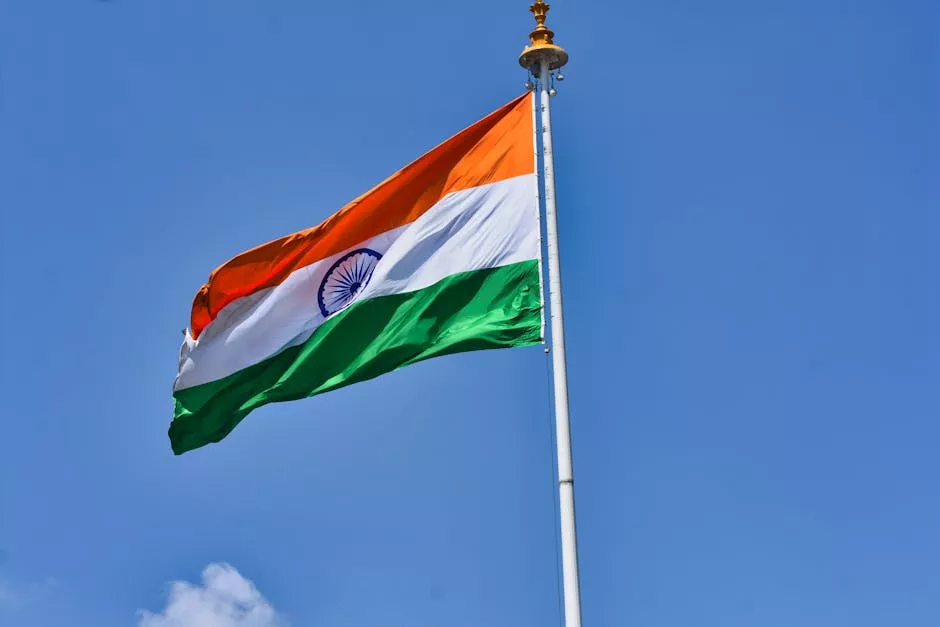
Every year, the bustling city of Mumbai transforms into a vivid tapestry of cultural exuberance as it celebrates Gudi Padwa, heralding the Marathi New Year and the advent of spring. This festival is a profound expression of cultural identity, deeply embedded in the traditions of Maharashtra. Residents adorn their homes with rangoli, intricate designs made of colored powders, and hoist 'gudi' – flags featuring bright silk cloth, flowers, and an array of iconic symbols associated with prosperity and good fortune.
The Symbolism of Gudi Padwa
The celebration of Gudi Padwa is steeped in symbolism. 'Gudi' refers to the flag associated with Lord Brahma, revered as the creator of the universe in Hindu mythology. It is believed that the hoisting of the gudi brings good luck and wards off evil. 'Padwa', on the other hand, signifies the first day of the lunar calendar, making this festival not just a cultural but also an astronomical marker observed with great enthusiasm by Maharashtrians worldwide.
Historical and Regional Context
The celebration traces its origins to ancient times when it marked the beginning of the harvest season. For farmers, it is a significant day as it represents the start of a fruitful season. Historically, Gudi Padwa is also linked to the legendary warrior King Shivaji, as a day to commemorate his victories. Today, it has become a profound illustration of Maharashtra's cultural ethos, transcending religious boundaries and bringing communities together.
Throughout Mumbai, the air resonates with traditional drum beats, dance, and the aroma of festive delicacies. Streets are crowded with processions, where participants don traditional attire, symbolically asserting cultural identity in a modernizing world. These public displays of culture, however, also serve as a reminder of the region’s distinct historical narrative that continues to influence contemporary society.
The Geopolitical Dimension
In a geopolitical context, celebrating Gudi Padwa holds national significance. As India asserts its soft power on the global stage, showcasing cultural festivals such as this emphasizes the country's rich diversity and enhances its ethos of unity amidst diversity. Furthermore, the economic implications cannot be ignored. Tourism surges during these cultural festivities, boosting local economies and attracting global attention to India's cultural tourism potential.
Mumbai, as a financial hub, leverages such events to promote its unique juxtaposition of tradition and modernity, contributing to narratives aligning with India's broader strategic interests; holding weight in India's projection as a harmonious yet powerful global player.
The Road Ahead for Marathi Culture
Looking forward, the challenge for Maharashtra and Mumbai is preserving these vibrant traditions in the face of rapid urbanization and globalization. Efforts are underway by local governments and cultural organizations to document and promote these traditions, utilizing technology and social media as tools for cultural preservation, providing newer platforms for engagement with younger generations.
Why It Matters
Why It Matters
The celebration of Gudi Padwa in Mumbai speaks to broader themes significant in today's geopolitical climate. As India leans into its role as an emerging global power, festivals like Gudi Padwa serve to assert cultural identity on an international stage. The interplay between tradition and modernity witnessed during such celebrations is essential for understanding India’s internal dynamics and its narrative abroad. Watching how India balances these elements will provide insights into its strategy for maintaining national unity and promoting global cultural influence amidst the rise of cultural homogenization fueled by globalization.