Moscow Concert Tragedy: Nineteen Convicted in 2024 Mass Shooting
Nineteen individuals were sentenced for their roles in a 2024 mass shooting at a Moscow concert, resulting in 149 deaths and over 500 injuries.
Middle East & Diplomacy Specialist
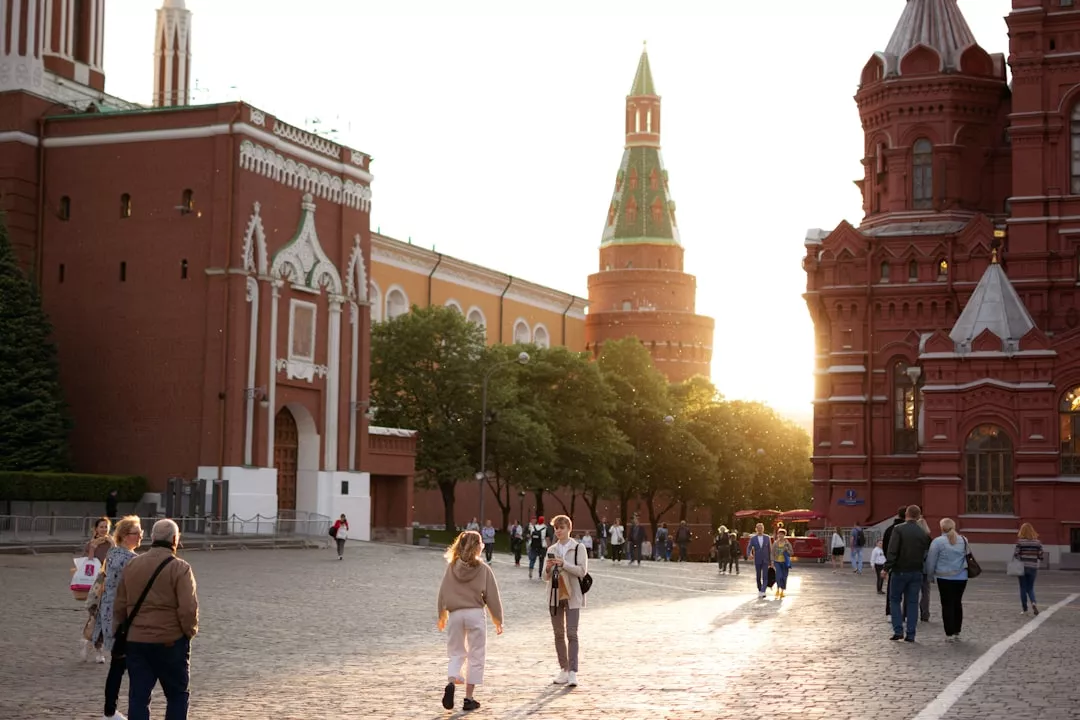
In a landmark judgment that rippled through national and international media, a Russian court has sentenced nineteen individuals to varying terms of imprisonment for their involvement in the 2024 mass shooting at the Crocus City Concert Hall, just outside Moscow. This event, characterized by its gruesome toll of 149 lives lost and more than 500 injuries, stands as one of the deadliest attacks in recent Russian history. Such incidents offer grim reminders of the persistent security challenges that major global cities face in an increasingly complex geopolitical landscape.
Details of the Attack
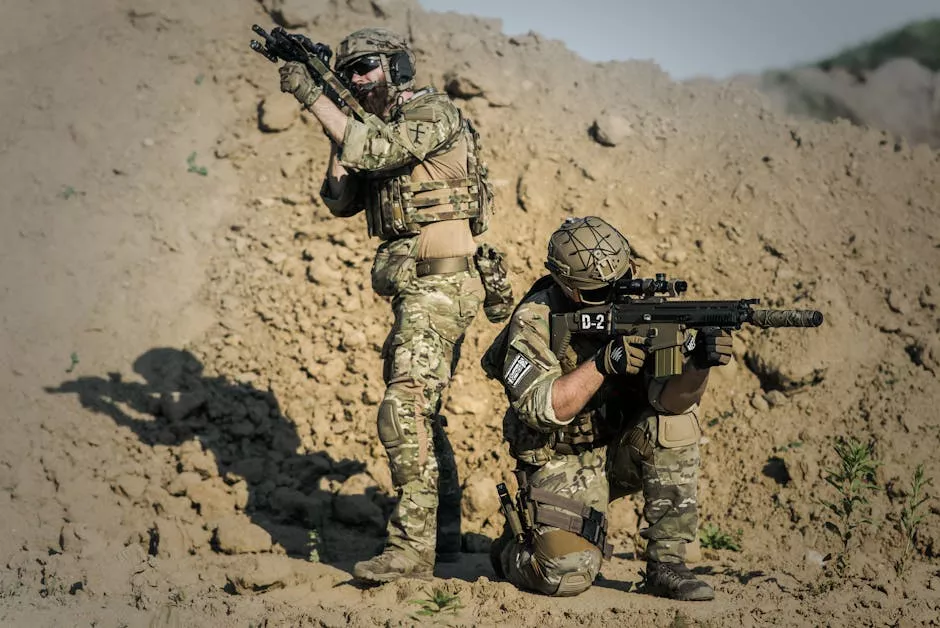
The attack on Crocus City unfolded in a chilling sequence when heavily armed gunmen infiltrated the venue during a popular performance. The assault was marked by indiscriminate shooting, causing panic and chaos among the attendees. Law enforcement agencies, backed by Russia's Federal Security Service (FSB), launched a comprehensive investigation immediately after the attack, which led to the arrest and prosecution of the perpetrators.
Judicial Proceedings and Sentencing
The legal proceedings were intense, with prosecutors presenting extensive evidence, including surveillance footage, testimonies from survivors, and ballistics reports that linked the accused to the crime scene. The sentences handed down varied according to the degree of involvement, with some receiving life imprisonment while others were given lesser terms under Russia's anti-terrorism laws. This verdict was seen as decisive in signaling Russia's stringent stance against domestic terrorism.
Historical Context
Russia has a storied history with terrorism, primarily stemming from its conflicts in the North Caucasus, which have occasionally spilled into major cities like Moscow. The country has been the target of numerous high-profile terrorist attacks over the decades, each prompting the state to ramp up security measures. However, the scale and nature of the Crocus City attack highlighted potential gaps in the security apparatus, drawing criticism from various quarters.
Regional Perspectives and Reactions
The Crocus City tragedy resonated deeply within Russia and across its borders. Neighboring countries and Russia's allies expressed solidarity, emphasizing their support in combating terrorism. The attack prompted a renewed dialogue on regional security collaborations, aiming at intelligence sharing and coordinated counter-terrorism strategies.
Implications for Russia and Beyond
Geopolitically, the attack accentuates the persistent threat of terrorism amidst Russia's complex international relations. The Kremlin’s response, both immediate and through this judicial decision, underscores a zero-tolerance policy towards threats against civilian safety. On an international scale, the incident serves as a cautionary tale for global cities on the importance of preparedness and the complex dynamics of global terrorism.
The sentencing also raises questions about the root causes of terrorism in Russia, pointing towards socio-economic disparities, regional insurgencies, and ideological radicalization as factors. Addressing these undercurrents is not just a domestic priority but a global one, requiring international cooperation and comprehensive policy frameworks.
Why It Matters
Why It Matters: The Crocus City concert attack and the subsequent convictions hold significant geopolitical implications. This incident sheds light on the ongoing threat that terrorism poses to urban centers worldwide, challenging the efforts of governments to maintain security amidst evolving tactics. The convictions reflect Russia's legal and political measures to deter future attacks, emphasizing the necessity of robust security protocols. Moreover, this incident reinforces the importance of international cooperation in intelligence and counter-terrorism efforts. As governments continue to navigate this complex terrain, monitoring these geopolitical dynamics will be crucial to understanding and mitigating future threats.