Military Helicopter Crash Claims Lives of Qatari and Turkish Personnel
A Qatari military helicopter crash kills four Qatari and one Turkish military personnel, including two Turkish technicians.
Africa & Global Economy Correspondent
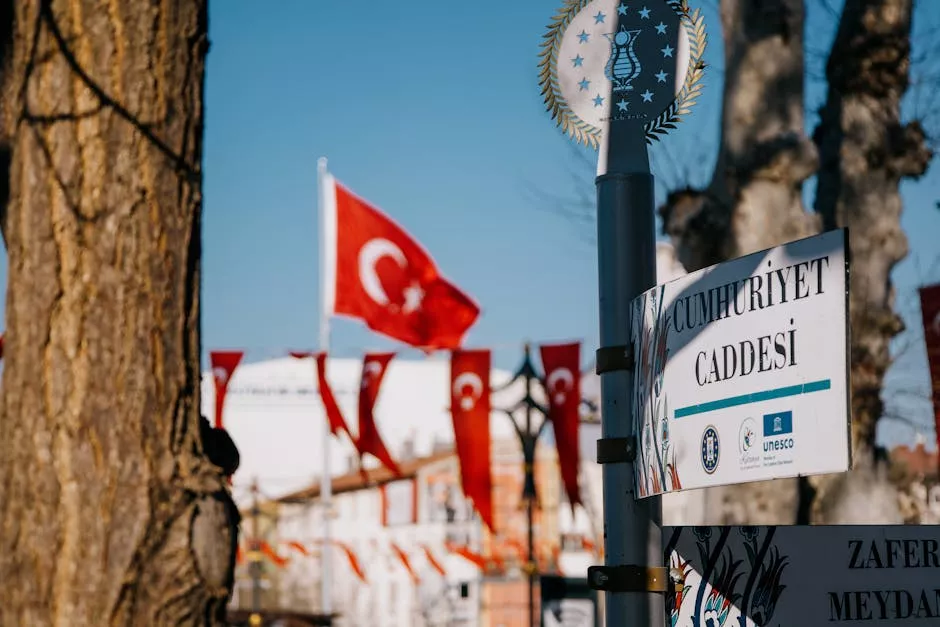
An unfortunate military incident occurred today with the crash of a helicopter that led to the loss of lives of five military personnel and two technicians. The incident, involving a Qatari military helicopter, proved fatal for four members of the Qatari military, one Turkish serviceman, and two Turkish technicians representing a defense company. This crash signifies a saddening example of the risks associated with military exercises and joint operations, and it casts a pall over the cooperative ventures between nations, particularly Qatar and Turkey.
Details of the Incident
The helicopter was part of a joint exercise aimed at enhancing military cooperation and enhancing defense capabilities between Qatar and Turkey. These exercises often involve complex maneuvers intended to build the efficiency and readiness of armed forces personnel to respond to potential regional threats. The crash occurred during routine operations, but exact details are yet to be fully ascertained, pending an official investigation.
A History of Military Cooperation
Qatar and Turkey share a well-established defense partnership solidified by defense agreements and joint military exercises. This cooperation is rooted in mutual strategic interests, with both countries striving to enhance their military readiness and ensure stability within the Middle East region. Historically, these partnerships have been essential for Qatar, given its geopolitical positioning and regional security challenges.
Since 2014, Turkey has maintained a military presence in Qatar, and both nations have engaged in collaborative training and exchanges aimed at bolstering defense ties. This latest incident might not deter future collaborations, but it does remind both nations of the inherent dangers associated with military operations.
Regional Implications
The Middle East is a region embroiled in geopolitical complexities, where alliances and partnerships are crucial for maintaining stability and peace. The relationship between Qatar and Turkey serves as a counterbalance against other regional powers and influences, providing a layer of security for Qatar amidst regional rifts.
This accident could shape future military engagements and partnerships between the two nations. It also highlights the role both countries play in maintaining regional balance amid tensions brought by conflicts in nearby nations and shifting alliances in the Gulf.
The Geopolitical Context
This tragedy comes at a time of significant geopolitical realignments in the region. As Qatar continues to navigate its diplomatic relationships after the Gulf crisis, its military collaborations with Turkey play a crucial role in defining its foreign policy. Coupled with Turkey's own strategic military expansions and alliances, such partnerships are pivotal for dealing with broader Middle Eastern security issues.
For Turkey, this relationship helps to extend its regional influence and establishes its role as a key player in Middle East politics, serving both national and regional security interests.
Looking Forward
While the focus is on the immediate investigation and consequences of this crash, the long-term perspectives on regional military collaborations and partnerships will likely evolve. Both nations will reflect on the necessary precautions and potential defensive realignments needed to safeguard personnel and maintain the integrity of future operations. The dedication to mutual defense agreements is poised to continue, albeit with heightened awareness and strategic caution.
Why It Matters
The tragic helicopter crash involving Qatari and Turkish military personnel underscores an underlying element of modern geopolitics: the complexity and risks of military partnerships. The Qatari-Turkish defense collaboration is pivotal for ensuring regional stability amidst shifting alliances and power dynamics in the Middle East. This incident may serve as a point of reflection regarding the safety protocols and operational strategies in joint military exercises.
Moreover, such an event raises critical questions about the broader implications of military alliances and the extent to which states rely on partnerships for their strategic interests. Observers should watch how this might influence future military exercises, joint operations, and diplomatic engagements. Ensuring such collaborations remain effective and secure is essential for countries navigating the intricate web of Middle East geopolitics.