Milano Cortina 2026: Historic Winter Paralympics Awaits
Milano Cortina 2026 Winter Paralympics promises record participation with 600 athletes from 56 countries, breaking new ground in Paralympic history.
International Relations Correspondent

The Winter Paralympic Games are set to reach unprecedented heights next year in Milano Cortina, Italy. Scheduled on the semicentennial anniversary of the inaugural Winter Paralympics, the event symbolizes not only a celebration of adaptive sports but also serves as a reflection of the evolution of inclusivity and global unity over five decades.
Historical Context
Originating in 1976, the Winter Paralympics have come a long way in breaking stereotypes and showcasing the prowess of athletes with disabilities on the global stage. This year, the spotlight will shine brighter than ever as more than 600 athletes from 56 nations gather in Italy to demonstrate their athleticism and sportsmanship in 79 medal events across six sports.
New Entrants and Old Favorites
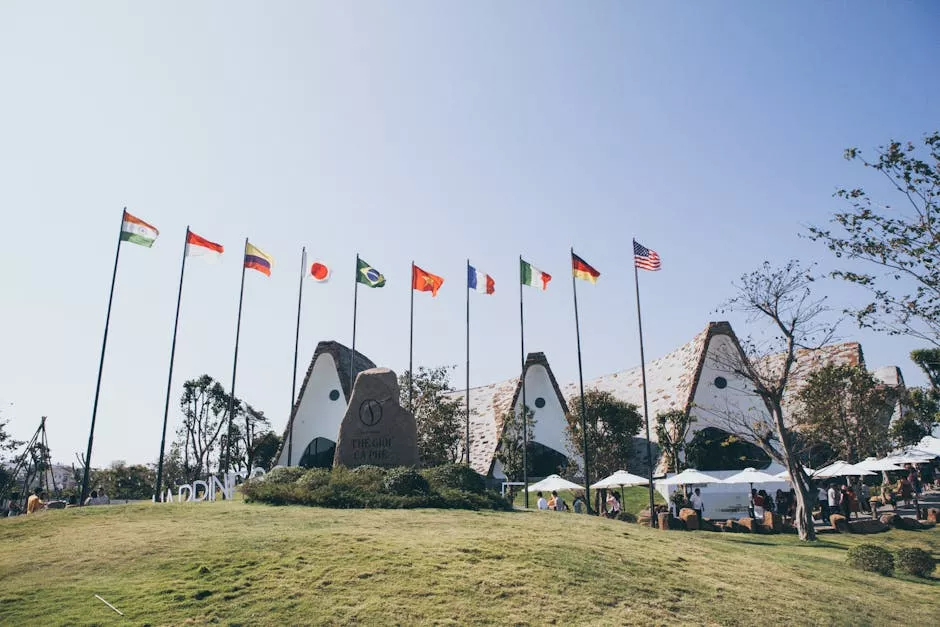
For the first time, nations like El Salvador, Haiti, Montenegro, North Macedonia, and Portugal will step into the winter sports arena, making the competition even more diverse and colorful. Their participation highlights the global reach and appeal of the Paralympics as they join old favorites, including powerhouse countries like the United States, Canada, and Russia.
Moreover, this edition introduces mixed doubles in wheelchair curling, a testament to the Games' evolving nature and commitment to innovation. This addition aims at promoting gender equality and increasing versatility among athletes, providing excitement for both participants and spectators.
Global Unity Through Sport
The participation of such a wide array of countries in the Milano Cortina Paralympics is significant not just in terms of numbers but also in terms of the narrative it weaves about global unity—transcending borders, cultures, and conflicts. As athletes convene in the spirit of competition, the Games provide a rare space where geopolitical tensions are set aside, fostering an environment of peace and camaraderie.
Andrew Parsons, President of the International Paralympic Committee (IPC), has aptly described the games as both highly competitive and transformative. In his words, sports remain a channel for positive change, roping in newer audiences and changing perceptions about disability.
Geopolitical Implications
The selection of Italy as the host nation not only underscores Europe's rich tradition of celebrating diverse talents but also amplifies the continent’s commitment to such inclusive global showcases. With recent socio-political shifts within the European Union—Brexit, the resurgence of right-wing policies, and ongoing discussions about migrant integration—the Paralympics act as a testament to Europe’s capability to unite under a shared love for sport and equality.
This unity is echoed in the Games' commitment to sustainability, mirroring broader European climate goals. Milano Cortina’s adoption of eco-friendly initiatives during the Games is set to leave a lasting legacy, presenting a model for future global sporting events.
Beyond the arenas, the Games hold the potential to trigger socio-economic conversations globally, driven by the stories of resilience of Paralympic athletes. Such narratives often spark national discourse on public policies concerning disability, accessibility, and societal integration both within the participating nations and beyond.
Why It Matters
The 2026 Winter Paralympics hold crucial geopolitical significance as they operate on multiple fronts to influence global perspectives. Primarily, the participation of new nations enhances international cooperation and conveys powerful messages of inclusivity. With Italy's leadership at the helm, Europe emphasizes its cultural and political coordination, thereby championing the values of unity and peace. These Games also serve as a litmus test for international dynamics, especially in terms of disability rights and societal equality. As observers, stakeholders, and participants, vigilance towards how these dialogues evolve will be crucial to understanding the broader consequences on an international spectrum.