Mexico's Bold Security Plan for a Safe World Cup Experience
Mexico deploys extensive security measures ahead of an anticipated World Cup boost, ensuring safety despite recent violence.
Middle East & Diplomacy Specialist
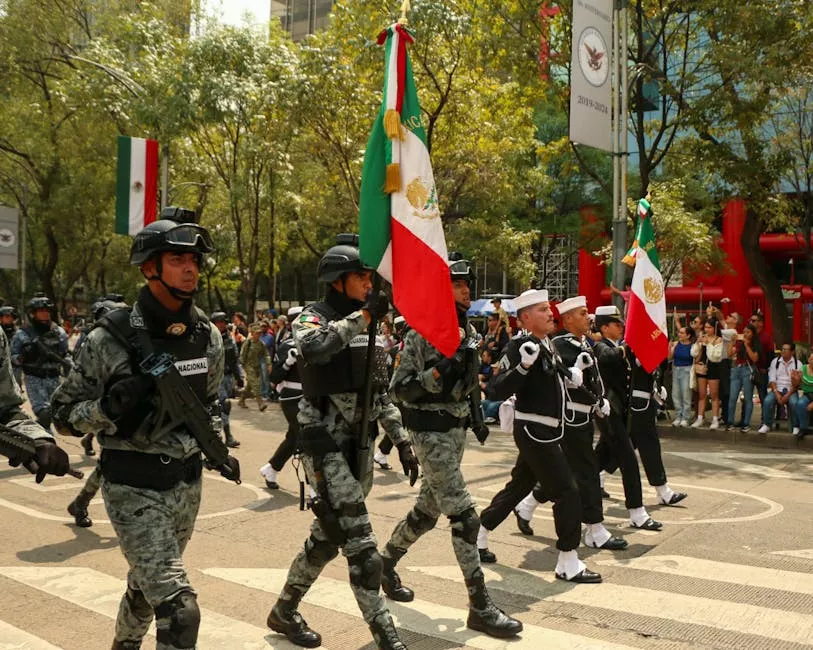
As excitement builds for the much-awaited World Cup, Mexico is taking robust steps to ensure the safety of the millions of fans expected to visit the country. Amid growing concerns following recent incidents of violence, Mexican officials have announced a comprehensive plan that involves a massive deployment of security forces.
Understanding the Security Measures
The Mexican government has unveiled one of its most extensive security operations in history, aiming to provide safety for both local and international visitors. This initiative will see thousands of police officers, the National Guard, and other security personnel deployed across key locations in cities hosting World Cup matches.
Authorities have emphasized the importance of an integrated approach, coordinating efforts between federal, state, and local law enforcement, along with collaboration from international partners. This cooperative strategy is designed not only to preempt potential security threats but also to bolster public confidence in Mexico as a secure destination for tourism during the event.
Challenges and Historical Context
Mexico's recent history is marred by episodes of drug-related violence, which poses a substantial challenge to maintaining law and order. The country has experienced significant challenges in containing cartel activities, prompting concerns about safety during international events. Historically, large global gatherings like the World Cup necessitate heightened security, learning lessons from previous hosting countries on potential threats ranging from terrorism to organized crime.
Past experiences have shown that strategic deployment of resources and effective intelligence operations can mitigate risks, as evident during Brazil's 2014 World Cup. Mexico is poised to leverage similar tactics, adapting them to its local context and extracting valuable lessons from previous hosts.
Regional Implications and Geopolitical Significance
Hosting the World Cup presents Mexico with a unique opportunity to showcase its cultural richness and hospitality. Beyond fostering national pride, it provides a platform to project stability and openness to the international community, potentially reshaping global perceptions marred by persistent narratives of violence.
The successful hosting of this event could have long-term economic and diplomatic benefits, strengthening Mexico's position in the regional and international arena. Focusing on security is crucial, as it directly influences Mexico's image and its prospects in attracting future international events, investments, and tourism.
Additionally, the presence of international delegations and fans offers a unique diplomatic avenue for Mexico to engage with diverse countries, enhancing bilateral relations and fostering cooperation in various fields, including security and economic partnerships.
Local Perspectives and Future Directions
Local communities in host cities are anticipating the economic boost from the influx of tourists. However, they are also expressing concerns about potential disruptions and the need for effective community-policing efforts. The anticipation of increased tourism revenue is tempered by the call for systematic investments in local infrastructure and services, ensuring sustainable benefits beyond the World Cup.
Looking forward, Mexico’s approach to handling security during the World Cup will offer valuable insights for future international events. It emphasizes the importance of strategic foresight, coordination across different government levels, and nurturing global partnerships. Success in this endeavor could set new benchmarks for handling security during large-scale events.
Why It Matters
Hosting the World Cup is not only a matter of national pride for Mexico, but it also holds significant geopolitical implications. The event will attract global attention, making it a crucial moment for Mexico to assert its readiness to host international events amid safety concerns.
The economic upside from increased tourism and international exposure could enhance Mexico's diplomatic leverage in regional affairs. However, the primary focus as the World Cup approaches is ensuring a safe environment that leaves a positive legacy. Successfully managing security challenges will be pivotal for Mexico to reshape its global image, securing its place as a key player on the international stage.