Mexico's Unconventional Battle Tactics Against Drug Cartels
Understanding Mexico's intricate war on drug cartels and its wider implications for security in the Americas.
Africa & Global Economy Correspondent
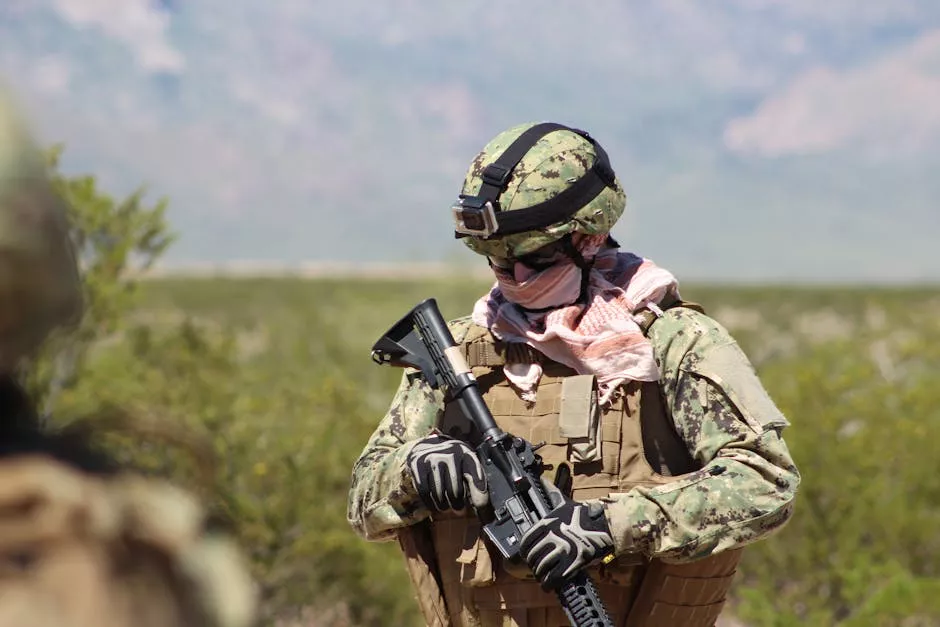
In Mexico, the war against drug cartels is unlike any conventional battle. The drug cartels in Mexico have evolved beyond criminal enterprises into formidable quasi-political entities wielding significant territorial control and societal influence. This unique conflict challenges traditional security paradigms and presents significant implications for both domestic policy and international relations.
Historical Context and Evolution
The origins of Mexico's drug cartels date back several decades, emerging from a complex interplay of political corruption, poverty, and demand for illicit substances, primarily from the United States. The cartels solidified their presence during the late 20th century as the key intermediaries in the global drug trade.
Successive Mexican governments have attempted various strategies to combat the cartels, often with limited success. The shift from a focus solely on eradication and interdiction to more integrative approaches underscores the complexity of the conflict. Under President Felipe Calderón (2006-2012), Mexico adopted aggressive military actions against cartels, leading to widespread violence and many civilian casualties.
Current Tactics and Challenges
Today's approach by the Mexican government, under President Andrés Manuel López Obrador, emphasizes 'hugs not bullets,' focusing on addressing socio-economic factors driving cartel membership rather than direct confrontation. This strategy involves reducing poverty, particularly among the youth, and providing educational and employment opportunities.
However, this softer approach is not without its drawbacks. Critics argue that it allows the cartels to operate with greater impunity, risking higher crime rates and increased cartel consolidation of power in neglected regions.
Regional Perspectives and International Impact
Mexico's internal struggle with cartels has significant repercussions beyond its borders. The porous nature of Mexico's northern border means that instability can easily spill into the United States, affecting trade, migration, and bilateral relations. Furthermore, Mexico is a crucial player in counter-narcotics operations coordinated with U.S. law enforcement, meaning that any faltering in these efforts could exacerbate the epidemic of drug addiction stateside.
Additionally, Mexico's battle has broader implications for Latin America. Many neighboring countries face similar issues with drug trafficking and organized crime, often with less robust resources to combat these challenges. Mexico's policies and their outcomes could serve as a critical reference point for these nations.
Geopolitical Implications
The struggle against drug cartels in Mexico also affects global perceptions of security and law enforcement cooperation. As cartels increasingly utilize advanced technologies and diversify into areas like cybercrime and money laundering, they become significant international threats.
The Mexican government's capability and strategy in this context also serve as a measure of state strength and influence, impacting its diplomatic relations, particularly with powerful neighbors like the U.S., and its standing in international forums.
Why It Matters
Why It Matters: The conflict with drug cartels in Mexico is more than a national issue; it represents a critical node in global security, given the transnational nature of illicit drug trafficking. The nuanced balance of direct military intervention and soft power approaches reflects broader themes in 21st-century conflict resolution strategies. International stakeholders, especially Mexico's neighbors and major economic partners, must remain vigilant as shifts in policy could signal changes in regional security dynamics. As cartels continue to exert influence, the ripple effects will impact diplomatic, economic, and human security globally, making it imperative to monitor Mexico's counter-cartel tactics for broader international implications.