Mass Student Protests Erupt Over Privacy Violation Scandal
Thousands of students protest following the unauthorized distribution of explicit images, highlighting privacy and consent issues.
Senior Geopolitical Analyst
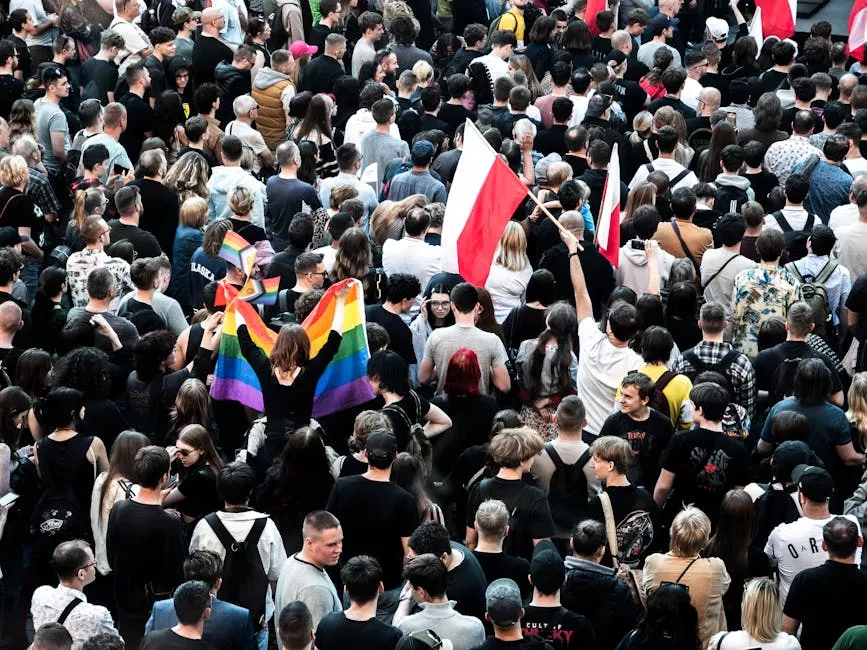
In a bold display of unity and activism, thousands of students rallied on the University College Dublin (UCD) campus after a poignant call to action by the UCD Students' Union. The protest was ignited by an incident where a sexually explicit image of a female student was disseminated without her consent to hundreds of individuals, sparking outrage over privacy violations and consent.
Genesis of the Incident
The scandal unfolded when the image became viral, exposing vulnerabilities in digital communication and privacy protection. While the identity of the victim has been protected by UCD authorities, the emotional and psychological damage inflicted has resonated broadly, prompting not only local but also international discussions about digital ethics and laws governing cyber activities.
Historical Context of Digital Privacy
The digital world has dramatically evolved over the past two decades, bringing both unprecedented connectivity and potential for misuse. The European Union, with its General Data Protection Regulation (GDPR), has positioned itself as a global leader in digital privacy. However, incidents such as the one at UCD demonstrate the ongoing challenges of enforcement and the necessity for education surrounding digital footprints.
Globally, the increasing cases of digital privacy violations reflect the need for robust legal frameworks that extend beyond regional boundaries. This event at UCD is a microcosm of a much larger issue faced by many institutions worldwide, emphasizing how urgently society must address digital vulnerabilities.
Regional Perspective and Reaction
In Ireland, the incident touches a deep societal nerve about respect, privacy, and safety in both physical and digital realms. Comprehensive educational campaigns on digital safety are now more imperative than ever, particularly within educational institutions tasked with safeguarding students' welfare.
The Irish government and law enforcement are also under scrutiny. There are calls from various advocacy groups urging the government to address gaps in current protective measures and ensure any digital harassment is met with swift justice. The UCD case is expected to catalyze stronger cyber-protection policies at both institutional and national levels.
Geopolitical Implications
The UCD incident isn’t merely a local concern; it reflects broader geopolitical tensions surrounding data privacy and digital ownership. As societies become more interconnected, the importance of establishing international norms and cooperation regarding digital privacy grows. The European Union may leverage such incidents to push for global standards in data protection, making this a pivotal moment for international digital policy advocacy.
Corporate players in the tech industry are also being called into question. Their role in ensuring platforms are not used for malicious or non-consensual activities will likely be scrutinized. The debate over corporate responsibility versus individual privacy rights is rekindled, which could influence future regulatory moves in tech oversight.
Why It Matters
The UCD incident matters on several levels. Firstly, it highlights the pervasive nature of digital privacy concerns and the inadequacies in current systems to protect individuals from cyber exploitation. The public's reaction signals a growing intolerance for privacy invasions, urging faster legal and technological reforms. Secondly, it places a spotlight on the role of universities and public institutions to lead ethical discussions and transformations in digital culture and practices. On a global scale, it emphasizes the urgency for international dialogue and cooperation in establishing robust, enforceable digital privacy standards that transcend regional laws, an effort that the European Union could spearhead. As such, stakeholders across various sectors must watch how policy, public sentiment, and technological developments unfold in response to these pressing privacy challenges.