Marco Rubio's Vatican Meeting Highlights Iran War Tensions
Senator Rubio's meeting with Pope Leo amid US-Iran conflicts underscores global divisions on war and immigration policies.
International Relations Correspondent
In a poignant intersection of politics and faith, U.S. Senator Marco Rubio recently met with Pope Leo, the first American pontiff, amidst escalating tensions between the United States and Iran. This meeting comes at a time when President Donald Trump's administration has found itself under scrutiny for its aggressive posture towards Iran and its staunch immigration policies. Rubio's decision to engage with the Vatican under these circumstances is a notable reflection of the ongoing geopolitical chess game being played on the global stage.
The Context of the Meeting
Pope Leo has been vocal in his criticism of the U.S. government's approach to the Iran conflict, advocating for peace and diplomacy over militaristic measures. His stance has not only ruffled feathers within the White House but also resonated with many across the globe who favor peaceful resolutions. Marco Rubio's visit to the Vatican, therefore, is significant as it underscores the influential role the Vatican continues to play in global diplomatic conversations.
This meeting is also emblematic of the temporary yet significant shifts in alliances that can occur in the modern geopolitical landscape. Despite being a Republican, Rubio's engagement with a religious leader who is vocally critical of a Republican president's policies indicates the complexity of political alliances in addressing issues of international conflict and domestic policy.
Historical and Regional Insights
The U.S.-Iran conflict has its roots in decades of mistrust and geopolitical maneuvering, dating back to the Iranian Revolution of 1979 and the subsequent hostage crisis. Over the years, the relationship has oscillated between cautious engagement and outright hostility. The current tensions are exacerbated by the U.S. withdrawal from the Iran nuclear deal in 2018, a decision made under Trump's administration, resulting in increased sanctions and regional anxiety.
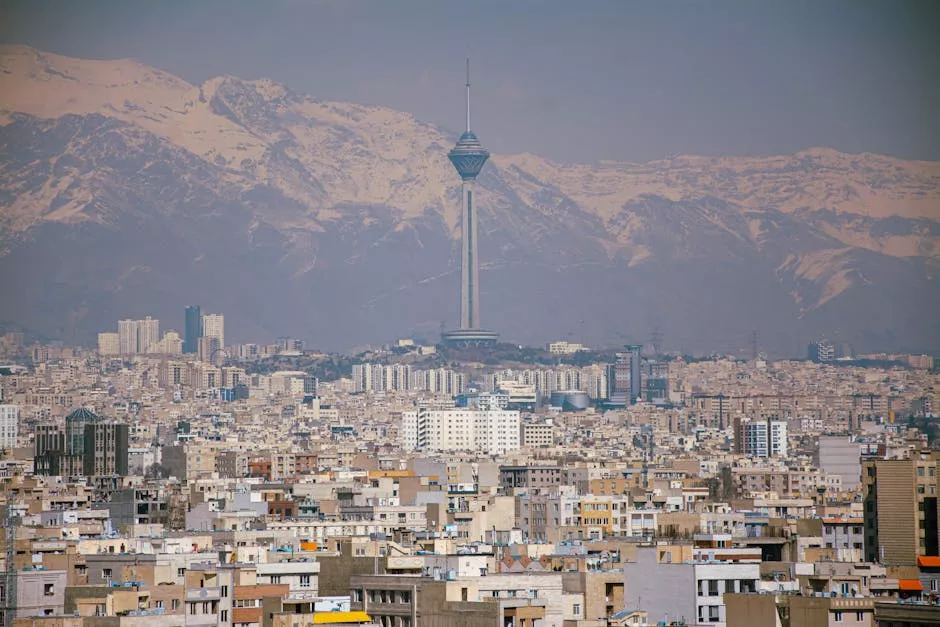
Regionally, the Middle East remains a hotbed of tension, with Iran's strategic alliances and geopolitical strategies posing challenges to U.S. influence. Iran's positioning within the Gulf, along with its support for groups like Hezbollah, complicates the broader geopolitical chessboard where global players like Russia and China also stake their claims.
The Vatican's involvement in these discussions highlights the enduring influence of religious diplomacy. Historically, the Vatican has served as a neutral ground for robust diplomatic engagements and peacemaking efforts, often guiding mediations where political dialogues have stalled.
Geopolitical Implications
The ramifications of this meeting could be multifaceted. For one, it signals to the international community that there are influential voices within the U.S. political sphere advocating for alternative approaches to the Iran issue—approaches that could involve greater dialogue and diplomatic engagement rather than unilateral military action.
Domestically, Rubio's engagement with Pope Leo might also suggest a divergence in Republican leadership opinions regarding Trump's strategies. It remains to be seen whether this will translate into significant policy changes or merely serve as a symbolic gesture.
On a broader scale, the Vatican's criticism of U.S. immigration policies further complicates the discourse that Rubio appears to be navigating. As immigration continues to be a contentious issue globally, nations watch closely how major powers reconcile domestic policy with international reputation and humanitarian obligations.
Conclusion
Ultimately, Marco Rubio's meeting with Pope Leo may be one of the many diplomatic gestures with the potential to sway public opinion and influence future policy directions. With the world watching, the implications of this encounter stretch far beyond the confines of religious and political boundaries, impacting global dialogue on war, peace, and humanitarianism.
Why It Matters
The meeting between Senator Marco Rubio and Pope Leo is a significant event in the context of U.S.-Iran relations and international diplomacy. It underscores the Vatican's potential role as a mediator in international conflicts and highlights the ongoing global divides over the approach to international crises and immigration policies. The significance of this meeting lies not only in its immediate diplomatic context but also in its potential to influence U.S. domestic politics, particularly within the Republican Party, which could evolve its position on Iran and immigration. As international observers analyze this event, the meeting serves as a reminder of the influence religious institutions can have on geopolitical issues, prompting anticipation for how these dynamics will unfold in the future.