Mapping U.S. Facilities Impacted in Iran Conflict Escalation
U.S. installations face significant damage amid escalating tensions with Iran, highlighting the strategic vulnerabilities and regional power shifts.
Middle East & Diplomacy Specialist
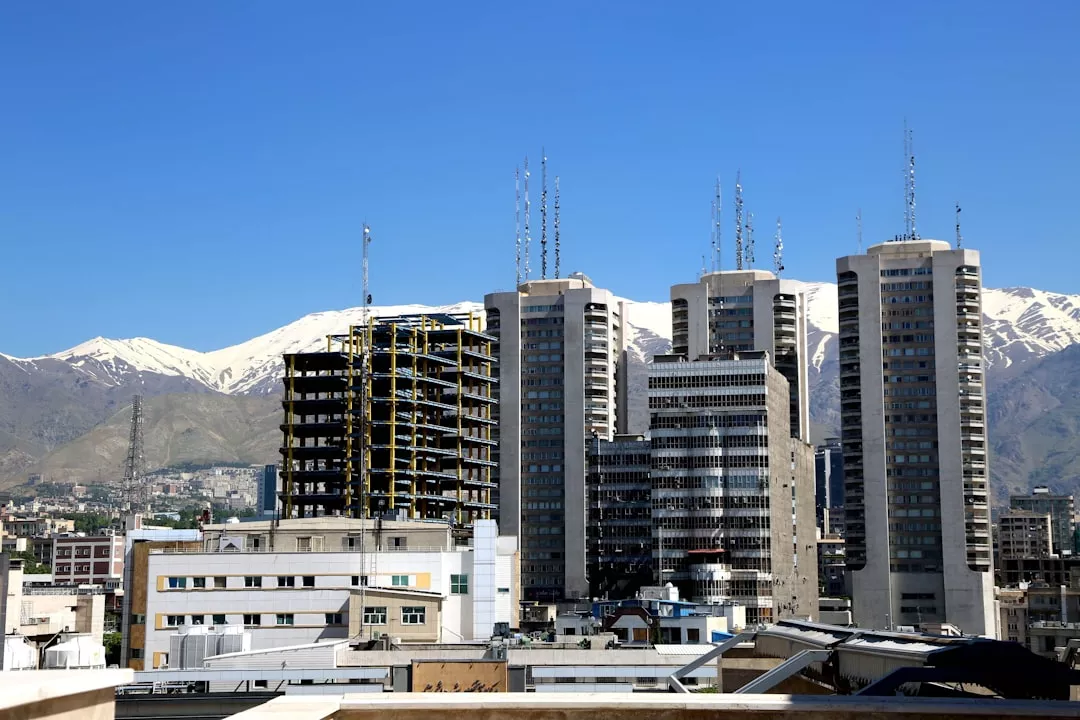
The ongoing conflict between the United States and Iran has taken a severe toll on American military installations in the region, revealing vulnerabilities and inciting a strategic re-evaluation. As tensions have intensified, reports have emerged identifying several key U.S. facilities that have suffered substantial damage.
Historical Context: A Tense Standoff Escalates
The animosity between the U.S. and Iran traces back decades, rooted deeply in geopolitical and ideological divergences. Following the 1979 Iranian Revolution, diplomatic relations worsened significantly, and subsequent events such as the Iran-Iraq War and U.S. sanctions have only exacerbated hostilities. More recently, the U.S. withdrawal from the Joint Comprehensive Plan of Action (JCPOA) in 2018 marked a major turning point, heightening tensions and setting the stage for military escalations.
Regions of Impact: Strategic Damage Assessment
A series of assaults and retaliatory strikes have imperiled several U.S. bases in the Middle East. Notably, facilities in Iraq, which house significant American military personnel and resources, have faced numerous attacks. Such assaults have compromised infrastructure, leading to both material losses and operational challenges.
Other affected installations include airbases and logistics hubs critical for maintaining a U.S. presence and ensuring supply chain continuity across volatile territories. The security of these strategic locations is crucial not only for U.S. interests but also for maintaining regional stability in cooperation with allied forces.
Implications for Regional Stability
The ramifications of these attacks extend beyond immediate physical damage. They reflect a broader power struggle within the region, where Iranian influence has been expanding amidst U.S. recalibrations in foreign policy. This ongoing conflict poses a significant risk of escalating into broader regional warfare, drawing in neighboring countries and global powers with vested interests.
Moreover, the threats to U.S. installations underscore the complexities involved in maintaining a military presence abroad, where logistical, political, and security challenges are intertwined inextricably. The increased vulnerability of such sites may provoke a strategic pivot, possibly altering future military deployments and engagements in the region.
Geopolitical Consequences
On a geopolitical scale, the escalating conflict between the U.S. and Iran plays a crucial role in international diplomacy. As U.S. installations endure further attacks, nations around the world are compelled to reassess their diplomatic positions and alliances. The uncertainty and volatility engendered by these developments necessitate a measured response from international leaders aiming to avert a deeper crisis.
The economic implications are also worthy of analysis. The Middle East remains a critical region for global energy supplies; any disruption could lead to significant fluctuations in oil markets, affecting economies worldwide.
A Path Forward
As U.S. officials and international allies navigate this challenging landscape, the importance of diplomatic channels and multilateral dialogues cannot be overstated. While military readiness remains vital, opportunities for peace-building and negotiations could serve to de-escalate tensions and foster more stable, long-term relationships in the region.
Why It Matters
Why It Matters: The repeated attacks on U.S. installations signify a critical moment in U.S.-Iran relations, with potential repercussions for global security. These developments highlight the fragility of regional stability and the necessity for strong international alliances and diplomatic initiatives. Observers should monitor responses from key players, including NATO allies and regional powers, to forecast possible resolutions or further escalations. Additionally, shifts in military strategies and policy adaptations will offer insight into the U.S. approach moving forward. Understanding these dynamics is essential for comprehending broader implications on energy markets and international collaboration in the pursuit of global peace.