Lebanon's Humanitarian Crisis: War's Impact on Civilians
Over 800,000 people displaced as conflict shatters daily life, leaving many trapped without basic necessities.
Senior Geopolitical Analyst
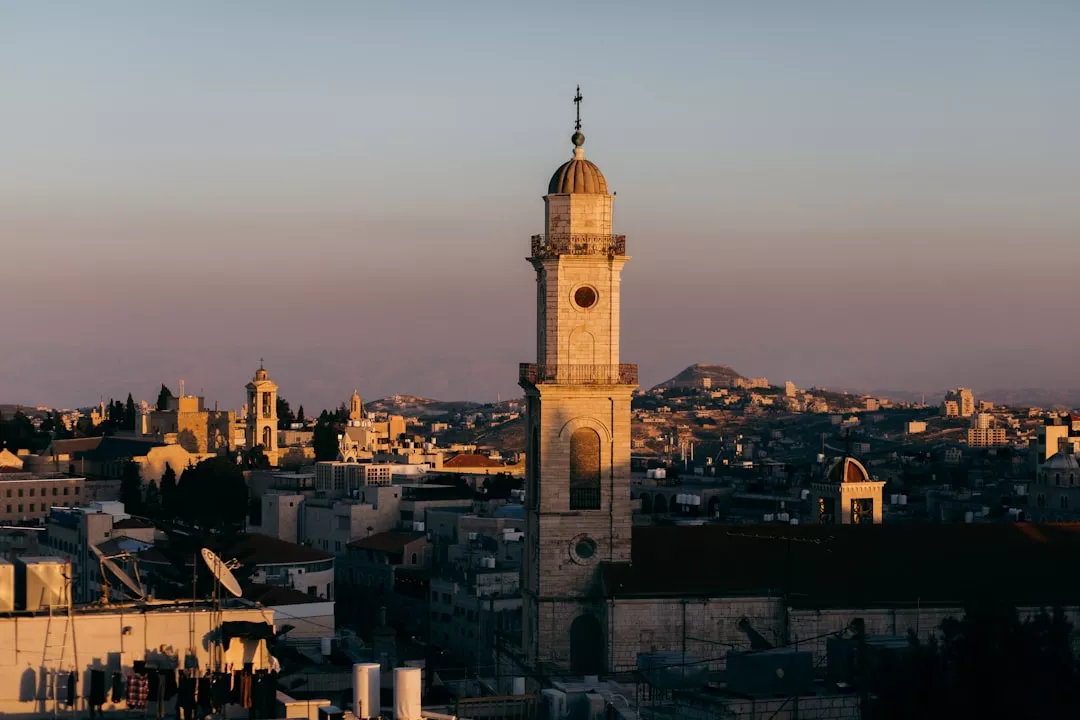
Lebanon stands on the brink of a humanitarian crisis as relentless conflict unfolds, significantly impacting its civilian population. The recent influx of over 800,000 displaced individuals has transformed cities like Saida, traditionally known for its historical and cultural significance, into makeshift sanctuaries. These urban areas now grapple with the strain of providing for those fleeing violence and destruction.
Historical Context of Lebanese Conflicts
As a nation with a storied past, Lebanon has long been a geopolitical tinderbox in the Middle East. The country's modern history is marred by civil war, foreign interventions, and regional conflicts, which have collectively contributed to its current fragile state. The Lebanese Civil War (1975-1990) was a multi-faceted conflict deeply rooted in sectarian divides. After a period of relative calm post-civil war, Lebanon continued to face tensions and sporadic violence, driven by its complex religious demographics and political alliances.
Current Situation: Life in War Zones
The current conflict exacerbates existing vulnerabilities, affecting up to half the Lebanese population living in dire conditions without access to essential services like healthcare, markets, and clean water. The daily bombardments and clashes further limit movement and worsen the living conditions for many trapped due to financial constraints, disability, or familial duties.
This unstable situation underscores the physical and psychological toll on those stuck in besieged areas, unable to flee or seek basic human protections. Families live amidst constant threat, their daily existence punctuated with fear and uncertainty, leading to severe psychological trauma.
Regional Implications and Global Response
The humanitarian emergency unfolding in Lebanon holds significant implications for the broader Middle East. As the conflict deepens regional instability, it prompts increased attention from international players. Competing interests among neighboring states, each with historical ties and strategic stakes in Lebanon's outcome, further complicate efforts for peace and relief.
Humanitarian organizations, such as Solidarités International, are playing crucial roles in delivering aid and assistance, although their work is often hindered by safety concerns and resource limitations. The international community is thus called upon to bolster these efforts, increasing diplomatic engagement and providing the necessary support for comprehensive relief strategies.
Geopolitical Dimensions and Future Prospects
Geopolitically, Lebanon sits at a crossroads of regional power dynamics. Its location and political landscape have often made it the arena for proxy battles among major Middle Eastern powers, including Iran and Saudi Arabia. Lebanon's stability, or lack thereof, influences the overall balance of power in the Middle East, with potential repercussions for global energy markets and security alignments.
As the crisis unfolds, political solutions remain paramount. Engaging in vigorous diplomacy to enact ceasefires, humanitarian corridors, and eventually a durable peace agreement is crucial. However, the path to resolution is fraught with challenges, including internal political fragmentation and the vested interests of external powers.
Why It Matters
The crisis in Lebanon is emblematic of the broader geopolitical challenges facing the Middle East. As regional powers vie for influence, ordinary civilians bear the brunt of these power struggles. The displacement of vast numbers within Lebanon not only challenges its already strained infrastructure but could also have ripple effects across neighboring countries. This conflict risks exacerbating regional instability, potentially leading to increased refugee flows and complicating diplomatic relations in an already volatile region. Strategic international intervention focusing on humanitarian aid and conflict resolution is key to preventing a deepening crisis.