Kurdish Mobilization: Iran's Border Tensions Escalate
Iranian Kurdish groups in Iraq hint at border mobilization, risking regional instability with geopolitical ramifications.
International Relations Correspondent
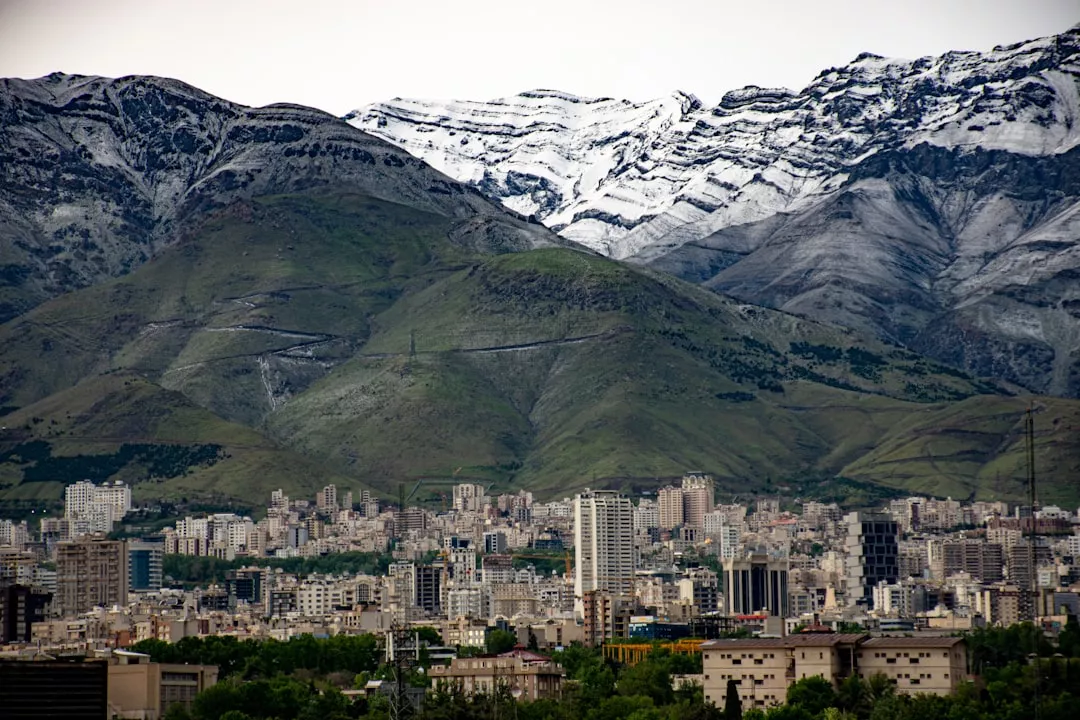
Recent reports have highlighted a potentially escalating situation along the Iran-Iraq border, where Iranian Kurdish opposition groups are allegedly preparing to cross into Iranian territory. These groups, many of whom reside in exile in northern Iraq, have informed the BBC of their operational readiness, though they deny having made such a move yet. This development raises critical concerns about potential conflicts and the broader regional implications.
Historical Context
The Kurdish struggle for autonomy spans several decades, with Kurdish populations distributed across Iran, Iraq, Turkey, and Syria. Historically, the Iranian Kurdish opposition has been marginal in comparison to their counterparts in Iraq and Turkey. However, the dynamic has evolved significantly, particularly following the 1979 Iranian Revolution, which led to increased suppression of Kurdish cultural and political aspirations in Iran.
In recent years, Kurdish parties and armed groups have occasionally engaged in skirmishes with Iranian forces. These groups advocate for greater autonomy and rights for Kurds in Iran, often leading to confrontations with the state. The Kurdish Democratic Party of Iran (KDPI) and Komala are among the prominent entities that have operated in a semi-clandestine manner from bases in northern Iraq.
Current Regional Perspectives
The situation is further complicated by the geopolitical mosaic involving Iraq and Iran. Iraq’s semi-autonomous Kurdish region provides a strategic advantage, acting as a base for many Iranian Kurdish groups. However, the Kurdish Regional Government (KRG) faces its own set of challenges, including maintaining a balanced relationship with both Tehran and Baghdad while addressing domestic issues of political stability and economic development.
Meanwhile, Iran perceives these activities as direct threats to its sovereignty and security, often leading to retaliatory strikes against identified Kurdish positions in Iraq. This has prompted international concern from neighboring countries and beyond, who fear a potential spillover of violence.
Geopolitical Implications
The potential crossing of Kurdish fighters into Iran marks a significant point of tension in Middle Eastern geopolitics. A further escalation could prompt Iranian military responses and possibly invite external intervention from global powers interested in the region's stability. Additionally, a broader conflict might exacerbate existing humanitarian concerns and lead to increased displacement of populations along already volatile borders.
Moreover, the renewed focus on Kurdish activities brings the spotlight back on the complex nature of ethnic and sectarian divisions in the Middle East, particularly amid a backdrop of fluctuating alliances and ongoing conflicts in the region.
Conclusion
As the situation continues to unfold, the international community remains watchful. The prospects of intensified conflict along the Iran-Iraq border carry significant risks not just for the regions directly involved, but for geopolitical stability at large, threatening to reshape alliances and existing strategic balances in the Middle East.
Why It Matters
Why It Matters: The potential mobilization of Kurdish forces into Iran constitutes a critical geopolitical flashpoint in the Middle East. This not only threatens to reignite longstanding tensions between Iran and its Kurdish minority but also places additional strain on the fragile political landscape in Iraqi Kurdistan. Such developments could lead to broader regional instability, drawing in surrounding countries with vested interests. Observers should be cautious of any military engagements that could escalate into larger confrontations, potentially involving major international players. The international community should closely monitor diplomatic channels and consider measures to prevent a further deterioration of the situation, emphasizing dialogue and negotiation as primary tools for maintaining regional peace and security.