Kim Jong-un Commends North Korean Troops' Extreme War Tactics
Kim Jong-un praises North Korean soldiers for self-detonation in Russia, revealing extreme battlefield policies.
Senior Geopolitical Analyst
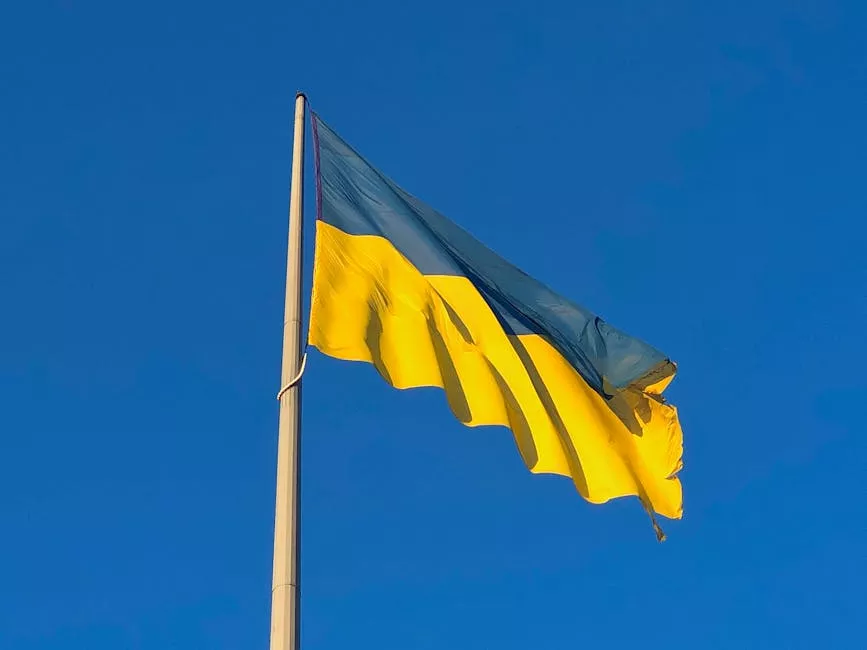
In an unprecedented acknowledgment, North Korean leader Kim Jong-un commended soldiers from his nation for drastically sacrificing themselves to avoid capture by Ukrainian forces. These remarks bring attention to the lengths North Korean soldiers fighting alongside Russian troops in the western Kursk region will go, highlighting an extreme policy of self-detonation on the battlefield.
Acknowledging Extremes in Military Strategies
The North Korean regime has long been known for its stringent military doctrines and allegiance to allies, but praise for self-sacrifice on foreign soil adds a new chapter to its military narrative. According to various intelligence sources and the testimonies of defectors, North Korean troops are explicitly directed to consider suicide, such as using grenades, to avoid the disgrace of capture by enemy forces. This revelation throws light on the psychological and physical extremities these soldiers face under their hierarchical military system.
Historical Context of North Korea's Military Posture
Historically, North Korea has maintained a Spartan military culture driven by ideals of self-reliance and supreme loyalty to the leader. The Korean People's Army, known for its rigid hierarchy and severe discipline, continues to instill values of sacrifice. This unyielding adherence to display loyalty defies the trends of evolving warfare ethics globally, which increasingly focus on humanitarian angles.
The potential involvement of North Korean troops in distant conflicts stems from long-standing strategic relationships. North Korea's alliance with Russia dates back decades, marked by mutual support in military endeavors and economic engagements. Such alliances are part of broader geopolitical calculations, aimed at showcasing a network of support despite diplomatic isolations.
Geopolitical Implications
This revelation could strain the already tense global diplomatic climate surrounding North Korea. Observers fear this could exacerbate the conflict dynamics in the region, especially given Western and Ukrainian interpretations that could view this as a complicity in aggression.
The actions of North Korean troops and the endorsement of such extreme measures by their leader could further isolate Pyongyang on the international stage. It raises questions concerning the regime's calculating calculus in not just military, but international diplomacy arenas as well.
Regional Reactions and Pulse
With Europe increasingly viewing Russia's military relationships with countries like North Korea as a potential threat to regional stability, nations may re-evaluate their policies towards engaging or confronting North Korea. The situation could galvanize further NATO actions in Ukraine and bolster support for Ukrainian defense initiatives.
This revelation potentially reanimates the geopolitical chessboard within the Indo-Pacific region as well, bringing closer scrutiny to North Korea's military exports and alliances, especially from neighboring nations wary of escalations.
Conclusion
The shocking news underscores the unpredictable dynamic of modern military engagements and the role of allegiance in warfare. It forces international observers to reconsider the extents of support in conflicts and highlights the brutal balancing acts leaders like Kim Jong-un may pursue to affirm loyalty and influence in global matters.
Why It Matters
Why does this matter on a global scale? The endorsement of such drastic measures by Kim Jong-un demonstrates alarming levels of loyalty expected from soldiers even far beyond North Korea's borders. It spotlights ethical concerns over soldier welfare and introduces a stark element of unpredictability into ongoing conflicts. With global reactions likely to shape diplomatic ties and regional policies, the world must be watchful of new military alignments and the shifting calculus of international diplomacy. This incident increases the pressure on regional and global stakeholders to address military policies that conflict with humanitarian laws and collective security measures.