Key Developments on Day 1,445 of the Russia-Ukraine Conflict
Explore the latest events as the Russia-Ukraine conflict reaches day 1,445, focusing on military, political, and humanitarian developments.
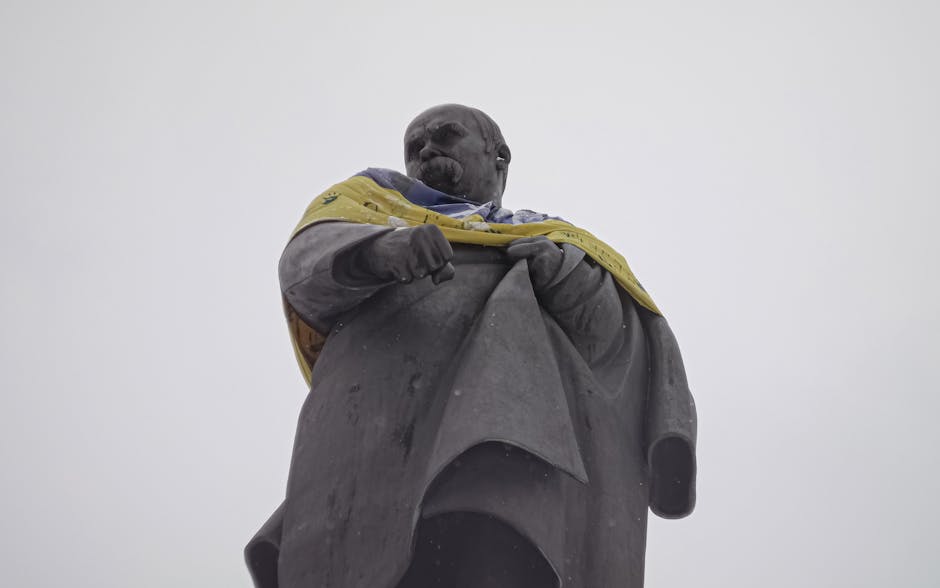
As the Russia-Ukraine conflict extends into its 1,445th day, both nations continue to grapple with significant socio-political and military movements. With the situation remaining precarious, key developments have unfolded across multiple fronts, drawing international attention and shaping the narrative of this prolonged conflict.
Military Movements and Strategies
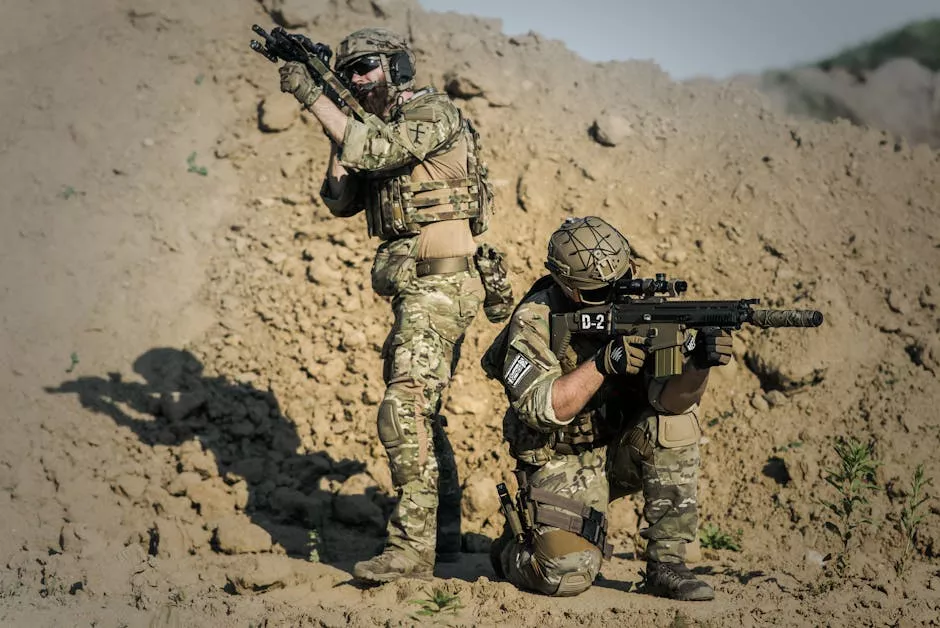
On the military front, Ukrainian forces have reported progress in key regions where intense fighting continues. The city of Bakhmut, already infamous for its strategic importance, has once again become a focal point of clashes. Ukrainian officials assert minor territorial gains, despite Russia's entrenched presence bolstered by mercenary forces.
In response, Russia has escalated aerial attacks on Ukrainian supply lines, leveraging advanced drone technology and precision-guided munitions. This intensification underscores Moscow's intent to disrupt Ukrainian military logistics, drawing condemnation from Western allies who have promised additional defensive aid to Kyiv.
Political Maneuverings
Politically, dialogue around potential peace talks remains fraught with complexity. Diplomatic channels have seen Russian and Ukrainian representatives engage in indirect negotiations facilitated by neutral parties. Analysts suggest that while peace remains a distant possibility, exploratory talks reflect a shared interest in reducing civilian casualties and economic distress.
The European Union and NATO continue to monitor the situation closely, reiterating their support for Ukrainian sovereignty. Sanctions against Russia have expanded, targeting sectors crucial to the Kremlin's war effort. However, the efficacy of these sanctions continues to be a subject of debate among policymakers and economic experts.
Humanitarian Concerns
Humanitarian issues persist as a major concern, with displacement figures steadily rising. The United Nations highlights the plight of civilians in contested areas, advocating for safe corridors and increased international aid. Despite these efforts, logistical challenges hinder effective assistance, exacerbating an already dire humanitarian crisis.
Furthermore, the conflict has impinged on global food security, given Ukraine's role as a significant grain exporter. Disruptions in agricultural exports have led to rising food prices, impacting countries far beyond Eastern Europe.
Global Implications and Future Trajectories
The ongoing conflict has reshaped geopolitical alliances, compelling nations to reassess their strategic priorities. Countries historically aligned with Russia are increasingly seeking alternative partnerships, wary of potential fallout from protracted hostilities.
As global leaders reconvene at international summits, there is unanimous recognition of the need for a durable resolution. Analysts predict that without constructive diplomatic engagement, the stalemate could perpetuate, further destabilizing the region.
In conclusion, day 1,445 of the Russia-Ukraine war is marked by a complex interplay of military tactics, diplomatic probes, and humanitarian urgencies. It's evident that the conflict's outcome will profoundly influence global politics, necessitating continued vigilance and proactive diplomacy from the international community.