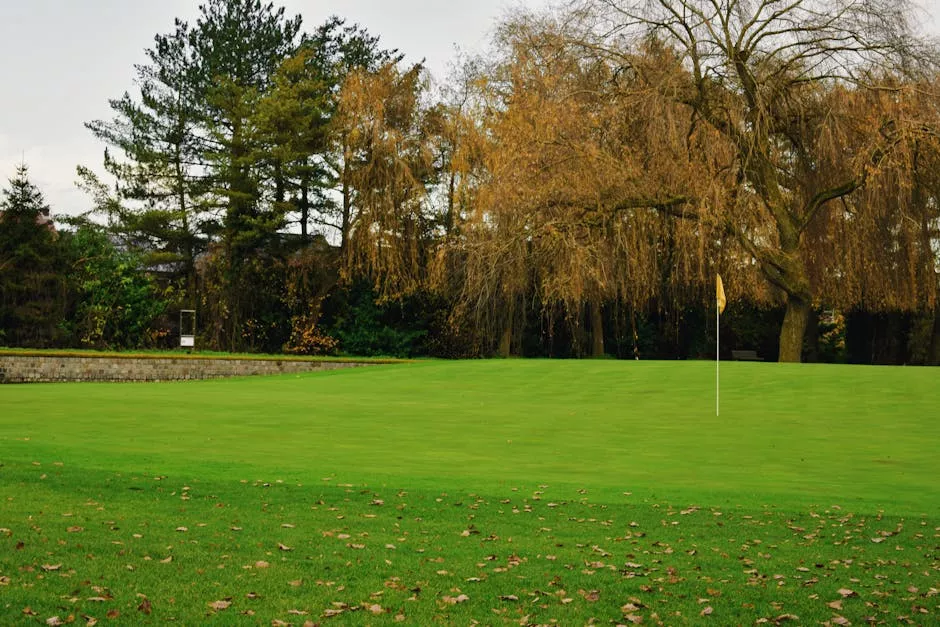
Keegan Bradley Eyes Ryder Cup Redemption Amidst Past Heartache
Keegan Bradley, still reeling from a Ryder Cup defeat, hopes to lead the US team again, aiming for a comeback at Adare Manor.
International Relations Correspondent
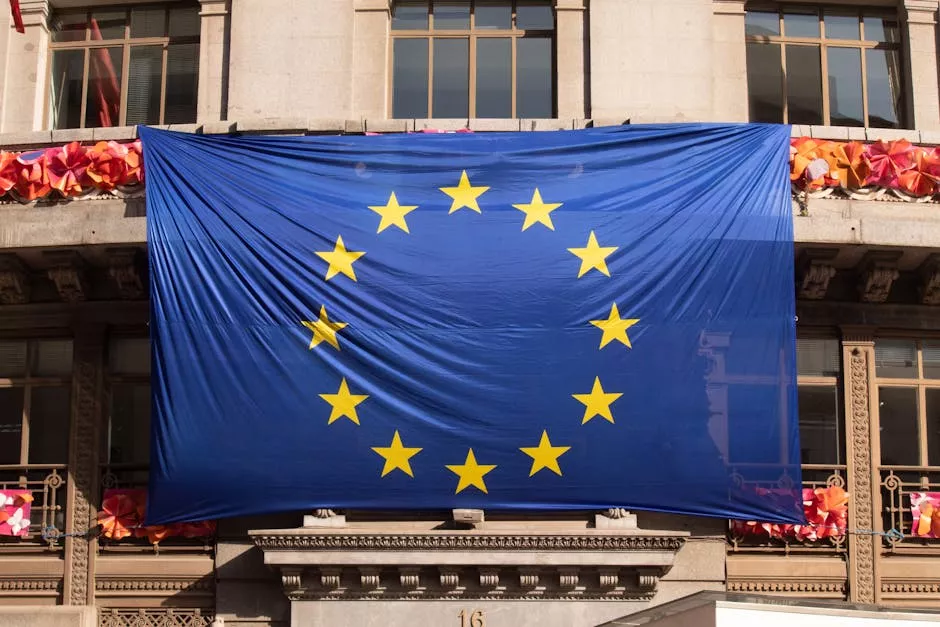
Keegan Bradley's Unresolved Ryder Cup Heartache
Keegan Bradley has candidly expressed the lingering pain from the US Ryder Cup team's loss at Bethpage the previous year. The event, which saw Europe clinch the trophy for the second consecutive time, left Bradley and his team grappling with disappointment despite a promising American recovery on the third day of the competition. Bradley's emotional connection to the Ryder Cup transcends the usual sports loss as it reflects a deeply personal and national endeavor to reclaim golfing glory.
A Rift at Bethpage
The 2025 Ryder Cup at Bethpage was a gripping spectacle, as Luke Donald's European squad initially projected an effortless victory. However, Bradley's leadership stirred an impressive American comeback on the final day, a storyline that captivated fans and kept aspirations alive till the end. The contest concluded, however, with Europe retaining the prestigious cup, leaving Bradley and his team to introspect and reassess their strategies.
Traditionally, the Ryder Cup is not just a contest of golf prowess but a clash of regional pride and sports diplomacy. It represents a historical transatlantic rivalry between American and European teams, driven by keen strategies, skilled play, and the captain's deft management.
Revisiting Dreams at Adare Manor
Looking forward, Keegan Bradley has expressed his interest in leading the US team at the next Ryder Cup scheduled at Adare Manor. His openness to captaincy comes against the backdrop of speculation over Tiger Woods potentially taking up the role. Bradley’s candidacy for the role emphasizes his strategic vision and intimate knowledge of team dynamics, aiming to turn past lessons into future victories.
Bradley's renewed focus on the PGA Tour, marked by his impressive 66 to make the cut at the Players Championship, hints at his ongoing commitment to personal and professional growth. His determination is reflective of a broader American sporting psyche, where perseverance and grit are cornerstones of competitive spirit.
Historical and Geopolitical Context
The Ryder Cup, initiated in 1927, symbolizes more than just a sporting event; it manifests geopolitical currents crystallized into a game of golf. Over the decades, it has been swayed by historical ties and shifts in the global balance of power. Events like the Ryder Cup unify sports with national pride, where victories transcend the game and resonate with national identity. This is particularly relevant in the context of US-European relations, traditionally framed in the broader context of diplomatic exchanges, economic treaties, and military alliances within NATO.
The US-Europe Sports Diplomacy
The outcomes of sporting events like the Ryder Cup can also affect perceptions and narratives in broader US-Europe relations. Positive sporting interactions foster people-to-people ties and mutual goodwill, which can help cushion diplomatic engagements across the Atlantic. Conversely, losses may reflect periods of tension and internal introspection about overcoming international competitive challenges.
The Path Forward
As the next Ryder Cup looms, the US team and its leadership face pressures not only to reclaim the cup but to reinforce American sporting preeminence on an international stage. Success at Adare Manor could signal a resurgence in American influence and reaffirmative sporting pride, rekindled by strategic foresight and the determination of players like Keegan Bradley.
Why It Matters
Why It Matters
The Ryder Cup serves as a microcosm of US-European relations, capturing the complexities of international diplomacy and cultural exchange through sport. Keegan Bradley's bid to retake the captaincy reflects an ongoing American narrative to restore its global sporting and cultural leadership. As geopolitical tensions rise, especially in trade and security domains, sporting events like the Ryder Cup influence public sentiment and international camaraderie. Observers should note how leadership decisions in sports parallel broader political arenas, impacting narratives in transatlantic relations and contributing to the larger conversation of international competitiveness.