Jewish Community Urges Action Amid Rising Security Concerns
A royal commission highlights the need for stricter gun reforms and increased security at Jewish events amid heightened threats.
International Relations Correspondent
The recent findings of a royal commission underscore an alarming rise in threats against Jewish communities, especially in light of the Bondi shooting incident that has sent ripples of concern through Australia and beyond. According to the report, the Jewish agency had been forewarned of a 'high' threat level before the attack, prompting a call for immediate government action on gun reform and enhanced security measures at Jewish venues and events.
History of Tensions
Historically, Jewish communities worldwide have often been targets of violence, a painful reminder of the persistent anti-Semitic sentiments that still linger in various pockets of society. In Australia, the Jewish community, which has been established for over two centuries, has contributed significantly to the cultural and economic tapestry of the nation. Despite this, anti-Semitic attacks have been a recurring issue, demanding consistent vigilance and robust security measures.
The Bondi Shooting
The Bondi shooting incident is a stark reminder of these ongoing threats. Bondi is home to a sizeable Jewish population and hosts several Jewish cultural and religious events. The shooting shattered the relative calm of this vibrant, yet close-knit community. Eyewitnesses recount the chaos and fear that ensued, with families scrambling for safety as shots rang out.
Commission's Recommendations
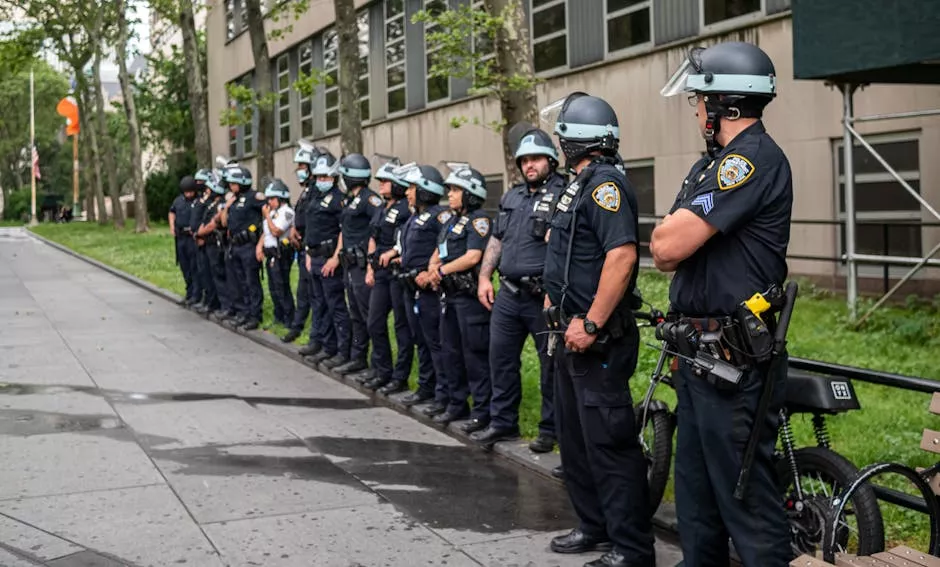
In response to the attack, the royal commission has strongly recommended that gun reforms be prioritized. The commission also emphasized the need for increased police presence during Jewish events, suggesting that these measures could significantly mitigate the risk of similar attacks in the future. This echoes calls from Jewish organizations for more proactive measures to ensure the safety and security of their communities.
Broader Implications
The call for gun control does not just resonate within the confines of Australian politics but also touches on a global debate surrounding firearms regulation. Countries like the United States frequently grapple with similar issues, sparking international dialogues about the balance between Second Amendment rights and the safety of their citizens. The international Jewish community, meanwhile, watches closely, recognizing that their fates are often intertwined irrespective of geographical boundaries.
Geopolitical Perspectives
The implications of such findings are profound, stretching far beyond Australia's borders. Similar security challenges are faced by Jewish communities worldwide, from the United States to Europe and the Middle East. These regions have witnessed varying degrees of anti-Semitic violence, influencing local and international policy on hate crimes and terrorism.
Australia's Next Steps
For Australia, the royal commission's report could serve as a crucial pivot point in reshaping its approach to handling security threats against minority communities. The government is anticipated to engage in intensive discussions concerning the tightening of gun laws, arguably a politically sensitive topic in a diverse and freedom-oriented society like Australia. Furthermore, how Australian leadership handles this situation could set precedents for future policies and global collaborative efforts in combating anti-Semitism.
Why It Matters
The geopolitical significance of the recommended gun reforms and increased security measures around Jewish events reflects broader societal challenges. Anti-Semitic threats are not isolated to any one country; they echo a global struggle against intolerance and extremism. The government's response will not only impact Jewish communities but will also signal its commitment to protecting minority groups against rising hate crimes. This situation warrants close observation as it may influence policy shifts in other nations facing similar issues. A failure to adequately address these concerns could exacerbate social tensions and undermine community trust in governmental institutions, both locally and globally.