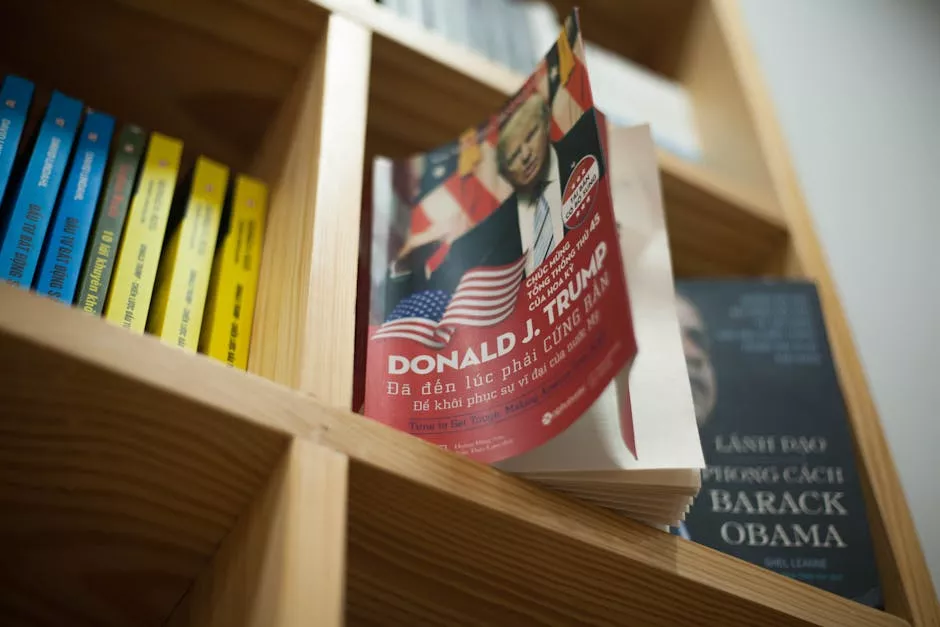
Italy's Constitutional Stand: No to Trump's Peace Board Proposal
Italy cannot join Trump's 'Board of Peace' under its constitution, citing the unequal power dynamics it would create.

In a notable move reflecting Italy's adherence to its constitutional tenets, the Italian government has declined to join former U.S. President Donald Trump's proposed 'Board of Peace.' This decision underscores the country's commitment to ensuring equal participation in international endeavors and avoiding power imbalances that might arise from a centralized leadership structure.
The 'Board of Peace' was conceptualized by Trump as a new global entity aimed at fostering international harmony. However, the Italian government, after a thorough constitutional review, has determined that joining such an initiative would be contrary to its foundational legal principles. The Italian constitution mandates a horizontal power structure in such international engagements, preventing any single leader from holding overarching authority over others.
The Constitutional Perspective
Article 11 of the Italian Constitution emphasizes the rejection of war and promotes peaceful conflict resolution. However, it also mandates that Italy should not partake in international organizations where a single member could wield disproportionate power. The Italian authorities argue that the structure proposed by the 'Board of Peace' suggests a hierarchical model, which contravenes these constitutional directives.
Geopolitical Repercussions
Italy's decision has significant geopolitical implications, particularly within the European Union, where member states often act in concert on international matters. Italy's stance highlights potential divergences in how EU nations engage with global initiatives spearheaded by non-EU actors, especially those that emphasize leadership structures reminiscent of singular dominance.
The rejection may also prompt a broader debate about the governance of international organizations, especially with rising global sentiments favoring multilateral and collaborative frameworks over hierarchically driven paradigms. Italy's position might encourage other nations to reassess their participation based on constitutional values and democratic ethos.
International Reactions
Responses to Italy's decision have varied. Proponents of the 'Board of Peace' argue that a centralized leadership could lead to more decisive action and reduced bureaucratic hurdles. However, critics uphold Italy's viewpoint, stressing the dangers of concentrating power and the importance of collective leadership in maintaining true peace and cooperation.
International law experts suggest that this scenario might influence the design of future international coalitions, encouraging more inclusive and egalitarian power-sharing models. Moreover, Italy's adherence to constitutional constraints highlights the enduring influence of domestic law on shaping global diplomacy.
Conclusion
Italy's choice to opt out of Trump's 'Board of Peace' due to constitutional restrictions has sparked a critical conversation about the role of legal and democratic principles in global governance. This decision not only aligns with Italy's legal framework but also reinforces the importance of equitable power distribution in international alliances.