Israeli Airstrikes on Gaza: A Region on the Brink of Chaos
Israeli airstrikes hit police sites in Gaza, exacerbating tensions and affecting regional diplomacy.
Middle East & Diplomacy Specialist

Israeli Airstrikes in Gaza Escalate Conflict
The ongoing conflict between Israel and Hamas took a devastating turn as Israeli airstrikes targeted police sites in southern and central Gaza, resulting in six casualties. The strikes, described as part of an intensified military campaign, have drawn international attention and condemnation from various quarters, including mediatory bodies seeking to de-escalate the violence.
Immediate Impact and Responses
The recent Israeli strikes are reported to have specifically targeted facilities associated with the Hamas-controlled police force in the beleaguered region. The casualties have sparked urgent responses from Palestinian officials who decry the act as a violation of international norms. Hamas was quick to label the attacks as indicative of Israel's 'blatant disregard for the efforts of mediators' and as an affront to the 'Peace Council's' ongoing attempts to broker calm.
Historical Context
Relations between Israel and Hamas have long been fraught with volatility, predominantly characterized by periods of violent confrontation and uneasy ceasefires. Historically, the region has been ensnared in conflicts that date back to the mid-20th century, fueled by territorial disputes and deeper historical grievances. The Gaza Strip, home to over two million people, has borne the brunt of periodic escalations, leaving a trail of humanitarian crises in its wake.
Regional Perspectives and Global Reactions
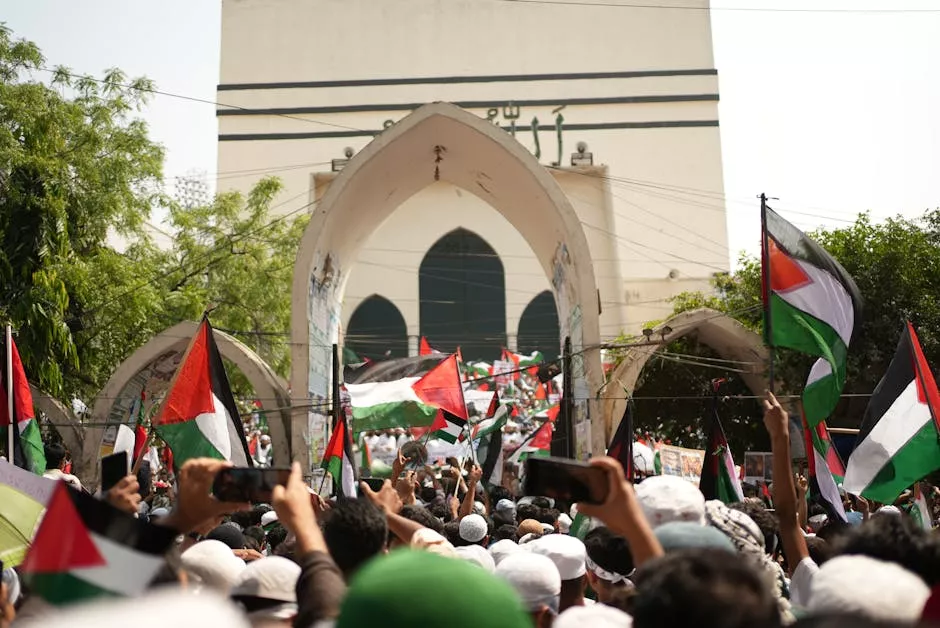
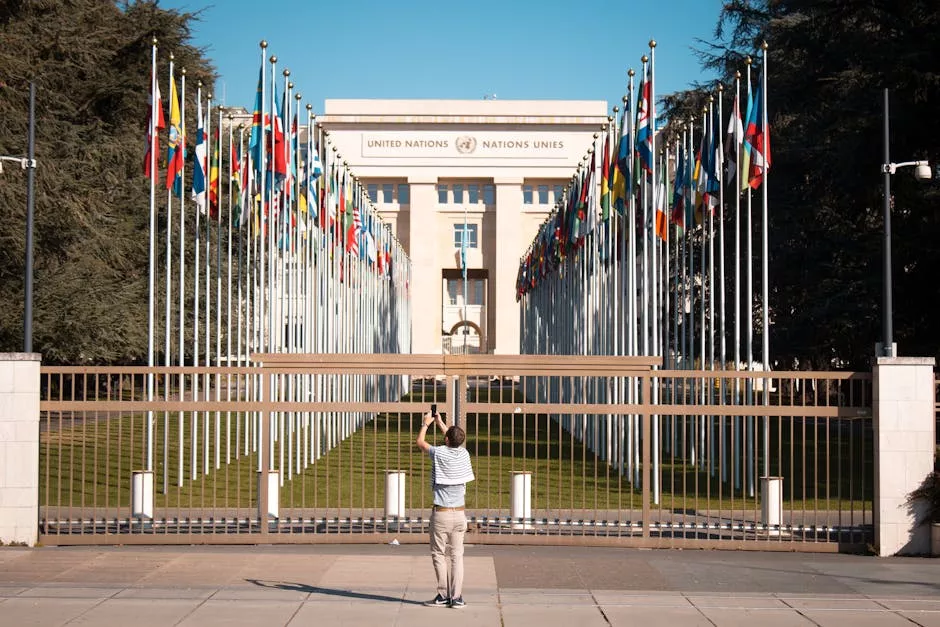
The airstrikes have drawn sharp reactions not only from Palestine's neighboring states but also from countries further afield. Arab nations have expressed renewed solidarity with the Palestinian cause, urging an immediate cessation of hostilities. The international community, including the European Union and the United Nations, has called for restraint, advocating for renewed dialogue to address underlying tensions.
Geopolitical Implications
The implications of this escalation are myriad and complex. Primarily, they serve to destabilize an already fragile geopolitical landscape, with ramifications that ripple across the Middle East. Israel's actions, while underscored by its security imperatives, could potentially alienate its recent partners in peace accords. The Abraham Accords, which saw normalization of relations between Israel and several Arab states, may be tested by heightened military activities.
Moreover, the humanitarian cost is significant, prompting concerns about the ability of aid organizations to access and deliver essential resources amid intensified conflict. The international community's response, particularly advocation for peace talks, is crucial in determining the trajectory of this deeply entrenched conflict.
The Road Ahead
As the dust settles after yet another wave of violence, questions loom regarding the prospects for sustained peace in the region. Diplomatic avenues, though currently strained, hold the key to any durable resolution. Regional players, as well as global powers, must consider comprehensive strategies that address both immediate security concerns and long-term socio-political challenges facing the inhabitants of Gaza and broader Israel.
Why It Matters
Why It Matters
The latest escalation in Gaza has significant implications beyond the immediate loss of life and territory. The airstrikes challenge the efficacy of international mediation efforts and highlight the fragile nature of regional peace agreements. As tensions flare, the potential for broader regional instability increases, underscoring the importance of effective diplomacy. Global attention remains crucial as escalating violence could trigger a broader conflict, affecting international relations and humanitarian operations across the Middle East. Observers should watch for shifts in diplomatic stances, particularly among countries involved in the Abraham Accords, as well as any movement towards renewed peace negotiations.