Iran Mourns Victims of Remote Strikes at Tehran Procession
Iran honors victims of strikes in solemn Tehran ceremony, reflecting regional tensions and international ramifications.
Defense & Security Editor
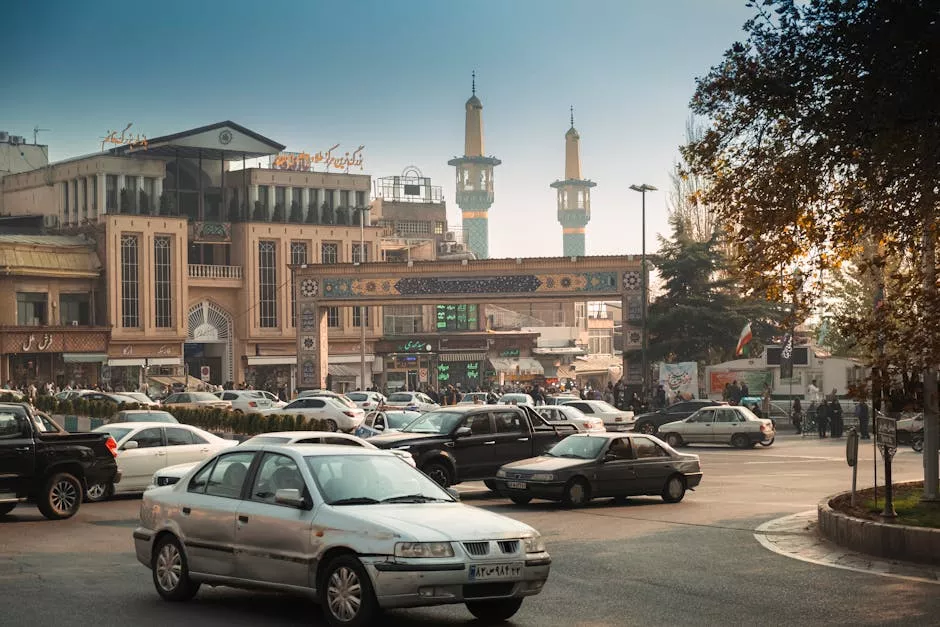
Thousands gathered in Tehran today to commemorate those who lost their lives to recent military strikes, a poignant reminder of the ongoing volatility within the Middle East. The mass funeral united the deceased, some of whom perished on Iranian soil while others were killed far from home, but all connected by the escalating conflicts involving Iran. With the national colors draping their coffins, the victims were remembered as martyrs, symbolizing both loss and resolve amid growing regional tensions.
Historical Context of the Conflict
The latest events are rooted in decades of geopolitical strife. Iran's position as a dominant regional power has often placed it at the center of Middle Eastern tensions, with its political, military, and economic actions frequently drawing global attention and, at times, condemnation. These strikes, purportedly by foreign forces, including ongoing adversaries like Israel and Western allies, underscore the persistent hostilities that characterize Iran’s interactions on the international stage.
The history of animosity can be traced back to events such as the Islamic Revolution and the Iran-Iraq War, which established Iran as a staunch anti-Western state. Additionally, geopolitical alliances and rivalries, like those with the United States and Saudi Arabia, continue to inflame tempers and provoke military confrontations.
Funerals as Political Statements
In a region where symbolism and tradition play pivotal roles, funerals are often transformed into political statements. Today’s procession in Tehran was no exception. High-ranking officials, including members of the Islamic Revolutionary Guard Corps (IRGC), were present, reflecting the importance of the deceased to the Iranian state. Homilies spoke not only of grief but also of defiance against perceived aggression. This dual purpose serves to galvanize public sentiment behind the government and uphold a resistant posture against foreign powers deemed antagonistic.
Regional and Global Reactions
International actors, including the United Nations and neighboring countries, have expressed concern. Calls for restraint resonate diplomatically yet often clash with strategic interests. The assassination of figures pivotal to Iran's foreign operations, particularly within proxy theaters like Syria and Lebanon, raises global stakes. Observers worry about an intensification of the shadow wars that pit Iran against actors supported by or aligned with the West.
The European Union and North American countries, while advocating for peace, maintain restrictions and sanctions aimed at curbing Iran's regional influence. These complex maneuverings reveal the fine line walked by nations seeking stability while protecting their interests.
Impact on Domestic and Foreign Policy
This multifaceted situation compels Iran to balance a hardline defense posture with diplomatic engagements aimed at socio-economic growth. The impact of these strikes extends beyond the immediate loss of life, influencing both domestic policy and foreign relations. Iran’s currency valuation, human rights issues, and international standing face the repercussions of ongoing confrontations.
Looking Ahead
As geopolitical currents ebb and flow, Tehran stands at a crossroads. The choices surrounding defensive strategies, diplomatic outreach, and internal governance will determine not only Iran’s regional seat but also broader alliances shaping future global discourses. Today's funeral, thus, is emblematic of a larger saga where lives are intertwined with larger questions of power, identity, and resilience.
Why It Matters
The tragic events commemorated in Tehran today highlight the complex geopolitics surrounding Iran. The strikes exemplify the dangerous provocations that can resonate regionally and globally. With tensions running high, particularly between Iran and Western-aligned powers, the threat of escalation remains potent. These circumstances place Iran's foreign policy under a microscope, testing its alliances and opposition against external interventions. For global observers, this is a stark reminder to monitor developments closely as they pertain to broader issues, such as nuclear negotiations and regional stability, factors which could redefine international relations in the Middle East.