Iran Conflict Ripple Effects: Lebanon and Kuwait in Crisis
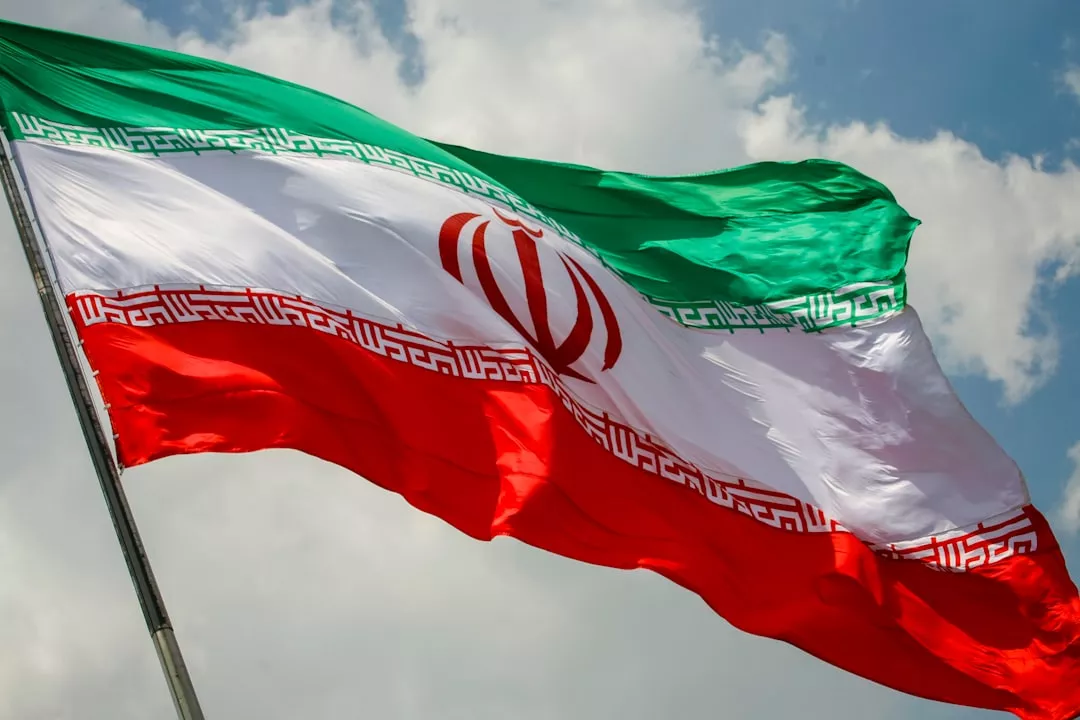
Iran's retaliation against the US-Israeli bombing is causing regional unrest, impacting Lebanon and Kuwait with significant geopolitical effects.
Africa & Global Economy Correspondent
The recent US-Israeli military offensive against Iran has set off a devastating chain of events across the Middle East, reverberating through Lebanon, Kuwait, and beyond. As Iran retaliates, these countries are grappling with immediate and far-reaching consequences, shaping a new geopolitical landscape in the region.
Historical Context
The Middle East has long been a theater of geopolitical power struggles, deeply influenced by historical animosities and alliances. From the Arab-Israeli conflicts to the Iran-Iraq war, the region has been no stranger to military confrontations. The current crisis stems from decades of tension, with the US, Iran, and Israel locked in a cycle of conflict.
Historically, Lebanon has been a proxy battleground due to its strategic location and sectarian divides. Similarly, Kuwait has faced its share of conflict, especially during the Gulf War. These countries now find themselves once again vulnerable to external pressures.
Impact on Lebanon
Lebanon's fragile political and economic situation is being further destabilized by Iran's military actions. The country's diverse sectarian landscape has made it a fertile ground for regional powers to exert influence. Hezbollah, supported by Iran, is taking a more active role in the conflict, leading to increased tension with Israel and internal political strife.
The Lebanese economy, already on the brink of collapse, is suffering from further instability. Sanctions and military threats are hindering economic recovery efforts, leading to increased poverty and unrest among its citizens.
Repercussions in Kuwait
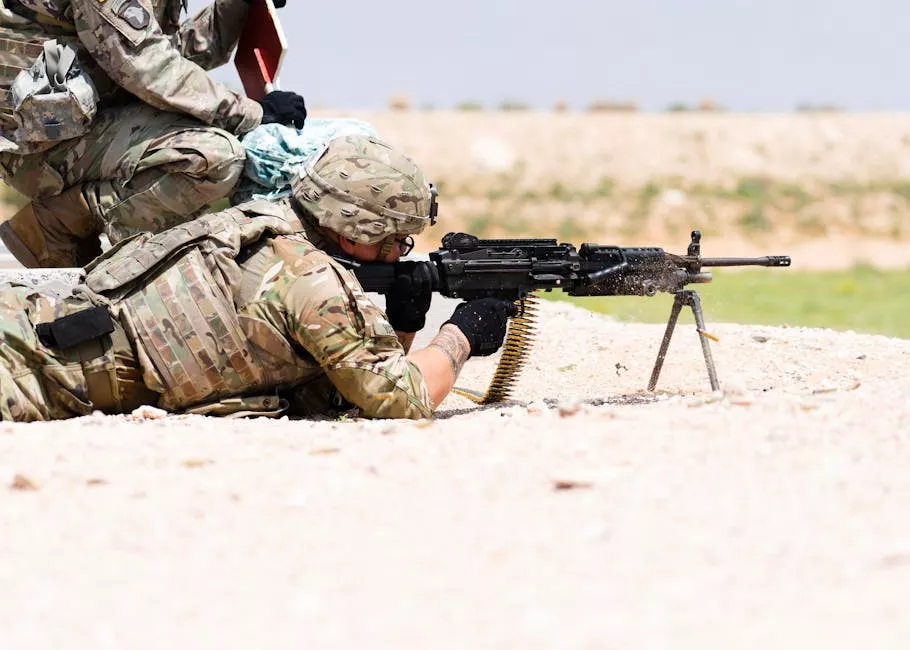
Kuwait, a key US ally, is experiencing heightened security concerns. The government's strategic partnership with the US places it in a precarious position as Iranian proxies potentially target American interests in the region. The nation is amplifying its defensive posture, strengthening military alliances, and increasing readiness to respond to potential threats.
Economically, Kuwait is heavily reliant on oil exports, and any escalation in conflict threatens the stability of oil markets, which could have a cascading effect on global energy prices and economic stability.
Geopolitical Implications
The widespread unrest promises to reshape alliances and rivalries in the Middle East. The US continues to maintain its military presence, while Russia and China look to expand their influence, offering support to Iran both politically and economically. This increased rivalry has global implications, affecting everything from international trade to nuclear non-proliferation agreements.
Moreover, with cyber warfare becoming an integral part of military strategy, both Iran and its adversaries are likely to escalate attacks on critical infrastructure, not only regionally but globally, further complicating international relations.
Local governments in the affected countries are balancing between maintaining sovereignty and succumbing to larger geopolitical powers. The role of regional organizations like the Arab League is becoming increasingly important as they seek to mediate and contain the conflict.
Why It Matters
The unfolding conflict in Iran and subsequent regional fallout are crucially important on multiple levels. Firstly, this represents a significant stress test for international diplomatic frameworks designed to prevent such escalations. The global response, or lack thereof, will set a precedent for future conflicts. Secondly, the direct involvement of major powers signals a shift in regional power dynamics, likely leading to an arms race and a recalibration of alliances, with potential consequences for international security architecture. Emerging cyber warfare tactics highlight vulnerabilities that transcend traditional battlefields, posing new threats to global stability. Observers should monitor shifts in diplomatic stances, potential ceasefire negotiations, and humanitarian responses as the situation evolves.