Demand for Transparency: International Women's Day Site Criticized
Over 900 individuals demand transparency from International Women's Day site, raising concerns about its financial motives and advocacy role.
Middle East & Diplomacy Specialist

In a dramatic turn of events, the owners of internationalwomensday.com have come under fire for their perceived exploitation of International Women's Day (IWD). Over 900 signatories have voiced their concerns through an open letter, requesting the site contribute more meaningfully to the cause of gender equality or cease operations. This controversy highlights a growing demand for transparency and genuine advocacy in global social movements.
Background of International Women’s Day
The genesis of International Women's Day dates back to the early 20th century, originating from the labor movements in North America and Europe. Initially established as a Socialist event, IWD was embraced by the United Nations in 1975. Over the decades, it has grown into a global day of recognition celebrating women’s social, economic, cultural, and political achievements. Despite its noble intentions, the day often falls victim to commercialization and token gestures.
Allegations of Exploitation
The core of the present controversy revolves around the accusations that internationalwomensday.com is leveraging the platform for financial gain, without contributing to the structural changes necessary for gender equality. The UN has notably distanced itself from the site, further fueling suspicions about its intentions. “It is our strong belief that you have been exploiting a social movement for financial gain, without addressing any of the genuine structural issues the day was founded on,” reads the open letter, authored by two UK-based professionals.
The Call for Action
The signatories, now exceeding 900, are calling for the website's owners to redirect part of their proceeds to advocacy groups that support women’s rights and equality initiatives. This clamor for accountability addresses broader concerns over commercialization of social causes, urging stakeholders to engage more genuinely with the ideals these movements represent.
Regional Perspectives
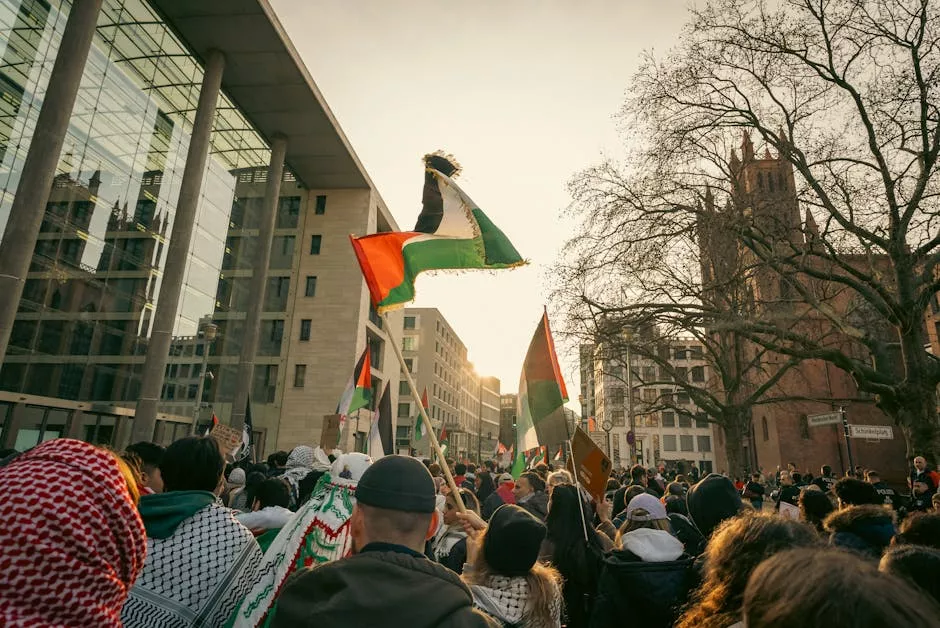
Globally, IWD is observed through various cultural lenses. In Europe, it is traditionally associated with demonstrations and awareness campaigns for women’s rights, whereas in America, the day is often marked with political and artistic events. The divergent approaches underscore the need for a platform that respects and promotes the diverse experiences and needs of women worldwide.
Geopolitical Implications
The controversy surrounding internationalwomensday.com echoes a larger geopolitical conversation about digital ethics and responsibility. As digital platforms gain influence, their global reach mandates accountability. This demand extends beyond financial transparency to encompass the promotion and protection of human rights via the Internet. The burgeoning protest against this website highlights an increasing intolerance for superficial advocacy in the digital realm.
Moving Forward
The ongoing discourse serves as a powerful beacon for emerging and established digital platforms regarding the importance of aligning intention with action. The open letter is not just a critique but a clarion call for transformation, urging stakeholders to prioritize genuine structural change over profit. As the movement continues to gain momentum, it presents an opportunity for the digital community to reassess its role in advocating for social change.
Why It Matters
Why It Matters
The scrutiny of internationalwomensday.com embodies significant implications for global digital governance and social justice advocacy. At its core, this controversy challenges the ethical standards by which digital platforms operate and highlights the rising public demand for rigorous accountability and transparency. The situation signifies a broader shift towards digital ethics, wherein platforms are expected to genuinely advocate for the causes they represent. Importantly, this serves as a pivotal example for other institutions to adhere to principles of social responsibility, reinforcing how critical it is for stakeholders in global movements to lead with integrity and genuine commitment.