India's Rising Hindu Right Challenges Sambhal's Muslim Majority
In Sambhal, a Muslim-majority city in India, tensions rise as Hindu nationalism appears unstoppable following mosque clashes.
International Relations Correspondent
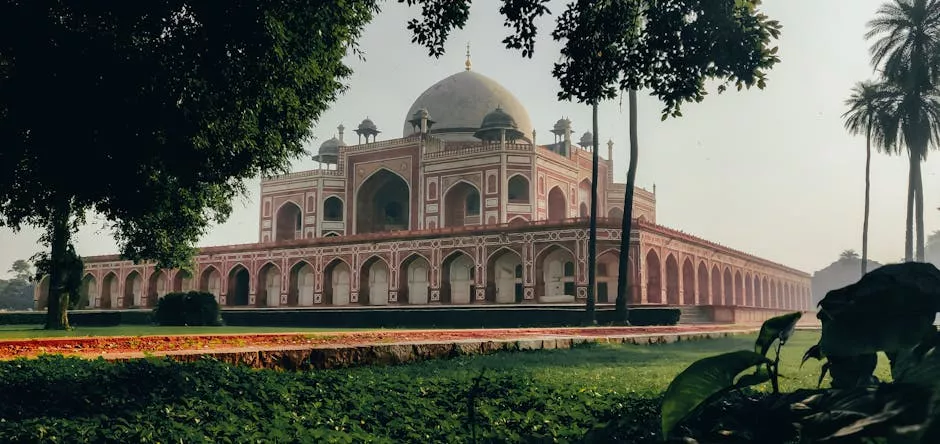
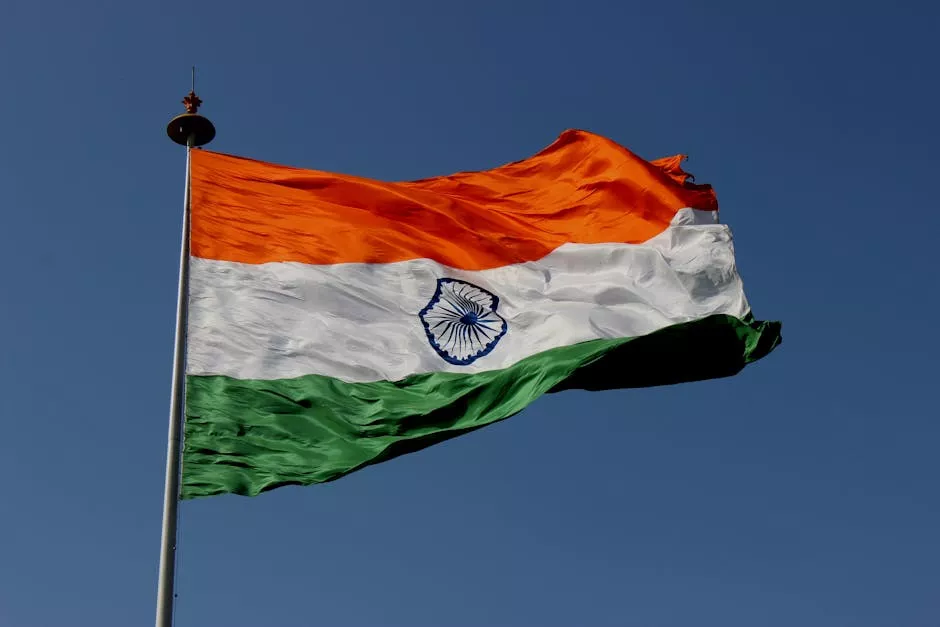
The city of Sambhal, nestled in the northern Indian state of Uttar Pradesh, has become a microcosm of the growing tension between India's Hindu nationalist movement and its Muslim minority population. Sambhal’s demography, featuring a Muslim majority, stands at the frontline of increased tensions catalyzed by recent violent clashes centered around a mosque. The palpable shift in the balance of power represents a broader national trend strengthening the ruling Hindu right-wing party, the Bharatiya Janata Party (BJP).
The Historical Context
Since the partition of India in 1947, the relationship between Hindus and Muslims has been characterized by periods of calm punctuated by violent turmoil. The rise of the BJP, spearheaded by Prime Minister Narendra Modi, marked a shift towards more overt Hindu nationalist policies. Promoting Hindu cultural and religious norms as central to Indian identity, this ideological stance often marginalizes India's substantial Muslim population.
The disputes around the mosque in Sambhal are not isolated incidents. They echo historic controversies such as the 1992 demolition of the Babri Masjid in Ayodhya, which significantly escalated Hindu-Muslim tensions in India. These incidents are perceived as part of a deliberate effort to assert Hindu supremacy in regions with significant Muslim populations.
The Current Situation in Sambhal
Recent clashes around the mosque in Sambhal have exacerbated existing tensions. Local Muslims report feeling increasingly marginalized, with many voicing concerns over alleged police indifference and biased political narratives. The perceived encroachment on their religious and cultural practices by states' authorities exemplifies broader national trends.
These developments are symptomatic of stringent laws and policies that many critics argue disproportionately affect Muslims. For instance, the Citizenship Amendment Act (CAA) and National Register of Citizens (NRC) have been criticized for potentially disenfranchising Muslims. Despite international criticism, the BJP continues to galvanize its electorate with promises to solidify the nation's Hindu identity, capitalizing on a narrative of historical rectifications.
Geopolitical Implications
The intensifying nationalism has not gone unnoticed internationally. Observers note that these internal conflicts risk affecting India's diplomatic ties, particularly with countries having significant Muslim populations. They also threaten India’s image as a secular democracy, a core component of its identity since independence.
The current situation in Sambhal parallels broader Indo-Pakistani tensions. Events within India often reverberate across its border with Pakistan, a Muslim-majority nation. Islamabad frequently raises concerns regarding alleged mistreatment of Muslims in India.
As the BJP's influence appears unyielding, the international community urges India to uphold its secular roots, emphasizing that internal religious harmony is essential for regional stability.
Why It Matters
The situation in Sambhal has significant global implications, both politically and diplomatically. The Hindu right's rise challenges India's established secularist policies, impacting its international reputation as a pluralistic democracy. Geopolitically, the internal handling of religious tensions could influence India’s relationships with neighboring countries, particularly Muslim-majority Pakistan and Bangladesh, as well as its standing in larger Islamic forums like the Organisation of Islamic Cooperation (OIC). This rise in nationalism also highlights a growing global trend where local conflicts potentially have broader repercussions, affecting regional stability and international diplomatic dialogues. Observers will need to closely monitor both political rhetoric and on-ground realities to gauge long-term impacts.