India Criticizes Trump for Sharing Controversial 'Hellhole' Comment
India condemns Trump's endorsement of derogatory remarks regarding its status, calling it a threat to bilateral ties.
International Relations Correspondent
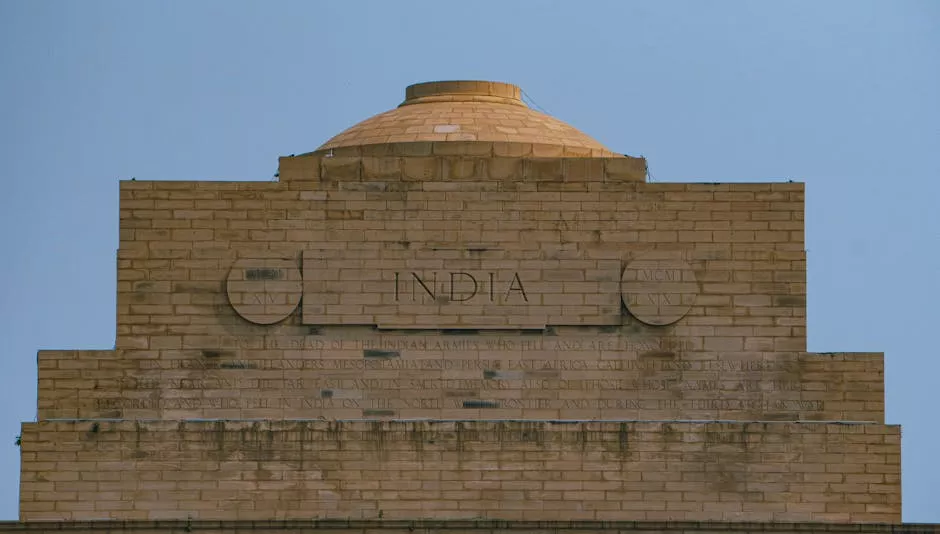
In a rapidly evolving geopolitical landscape, India's diplomatic engagement with the United States was recently tested due to a social media post shared by former US President Donald Trump. The post in question contained comments from right-wing podcast host Michael Savage labeling India a 'hellhole.' The incident has sparked a diplomatic controversy, leading to a stern response from the Indian government.
The Indian Ministry of External Affairs strongly rebuked the comment, categorizing it as 'uninformed, inappropriate, and in poor taste.' Diplomatic relations between the two countries have seen significant improvements over the years, yet this episode underscores the sensitivity required when addressing international partners.
Backdrop of the Incident
The uproar began when Donald Trump, known for his unfiltered communication style, shared a four-page transcription from Savage's podcast. The podcast had criticized the US constitutional right to citizenship for anyone born within the country. Within that larger criticism, Savage's disparaging remarks about India struck a dissonant chord.
Historically, the US and India have maintained a strategic partnership, especially in defense and technology sectors. During Trump's presidency, this relationship saw enhancements, including collaborations on counter-terrorism and trade agreements. However, disparaging comments such as these risk undermining the mutual respect cultivated over decades.
India's Growing Global Role
India's emergence as a key player in global economics and politics further complicates the matter. As a member of the BRICS nations and an increasingly significant voice in forums like the G20, India's regional influence extends beyond South Asia. Domestic economic reforms and a steadfast commitment to international regulations have bolstered its global standing.
The world has witnessed India's role in hosting discussions on climate change, committing to renewable energy targets, and its proactive stance in regional security matters, including countering China's influence in the Indo-Pacific. Such initiatives highlight the critical nature of maintaining positive bilateral relations with leading global democracies like the United States.
Global Reactions and Implications
While the immediate fallout has largely been confined to political circles, the implications could be broader. This incident comes at a time when India is working to diversify its economic partnerships amidst global tensions and shifting trade policies. Consequently, the diplomatic rift could have repercussions for American businesses operating in India, which rely on smooth intergovernmental communications.
The global reaction has largely been one of empathy towards India's reaction, with commentators emphasizing the need for more respectful discourse on international platforms. Additionally, some analysts infer that Trump's actions might be aimed more at galvanizing a domestic base rather than a calibrated diplomatic move.
Why It Matters
Why It Matters: The sharing of politically sensitive content by a former head of state like Donald Trump raises questions about the impact of rhetoric on international relations. India's swift condemnation stresses the importance of respect in diplomatic discourse, especially as countries navigate complex global challenges such as trade tensions and regional security threats. This episode also serves as a reminder of the delicate nature of social media's role in diplomacy. As nations recalibrate their foreign policy priorities in a multipolar world, incidents like these highlight the need for cultivating resilient diplomatic channels free from opinionated disruptions.