Hungary's Orban Accuses Kyiv Amidst EU Reassurances on Oil
Viktor Orban's claim against Ukraine sparks tensions, EU reassures no oil shortage risks for Hungary or Slovakia.
Defense & Security Editor
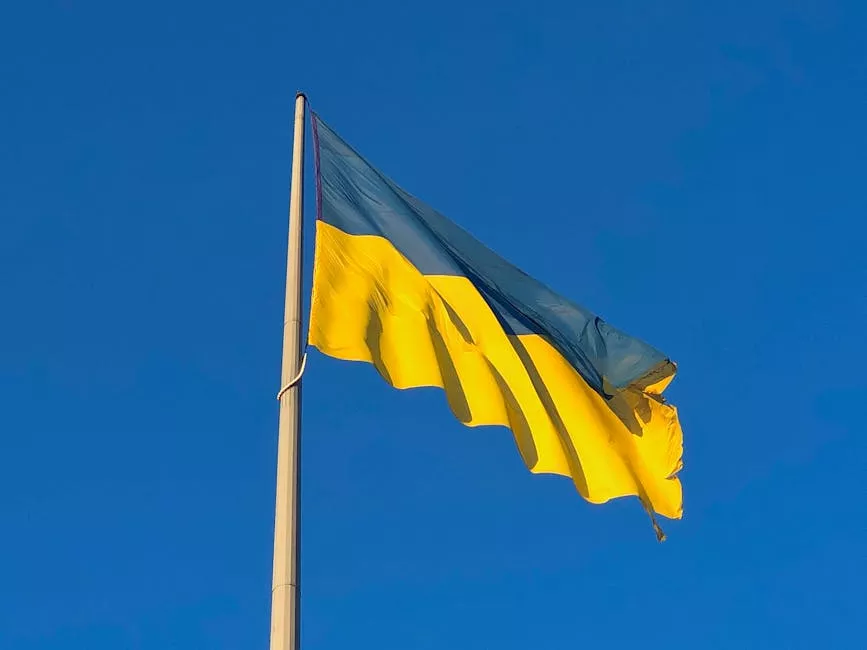
In an unexpected escalation of regional tensions, Hungarian Prime Minister Viktor Orban has accused Ukraine of orchestrating a plan to disrupt Hungary's energy infrastructure. This allegation comes against the backdrop of an already strained relationship between the two countries, fueled by political and historical divisions. While Orban's claims have heightened anxieties, the European Union has moved quickly to quell fears, assuring that neither Hungary nor Slovakia is at risk of an imminent oil shortage.
Accusation Amidst Frayed Relations
Viktor Orban's assertion has cast another layer of uncertainty over the fragile rapport between Hungary and Ukraine. Accusations of this nature are not new within Eastern Europe’s volatile political landscape. The tensions have roots that date back several years, intensifying with Hungary's unique stance within the EU, often at odds with mainstream EU policies.
In recent years, Hungary has maintained a contentious relationship with Kyiv, primarily revolving around minority rights and contentious political rhetoric. Orban's government has accused Kyiv of oppressing Hungarian minorities in Ukraine, particularly in areas like Transcarpathia where ethnic Hungarians reside.
The EU's Role
In response to Orban’s claims, the European Commission has reiterated its stance that there are no significant threats to the energy supplies of Hungary or its neighbors. The EU's reassurances highlight a continued commitment to energy security in the region, despite Hungary's often autonomous policy decisions that sometimes challenge EU directives.
Europe's energy landscape has been a touchy subject, especially in light of recent global events including the conflict in Ukraine. The EU is simultaneously attempting to wean itself off Russian energy dependencies while maintaining unity among its member states. Orban's remarks risk undermining these efforts and sowing discord among EU members at a time when collective effort is crucial.
Historical Context
Hungary’s relationship with Ukraine has always been complicated by historical grievances. The Treaty of Trianon in 1920 left significant Hungarian populations outside of Hungary’s borders, an issue that has surfaced in various political discourses over the decades. Modern political leaders like Viktor Orban have leveraged these historical narratives to solidify domestic support and influence Budapest's foreign policy.
Regional Perspectives
Viktor Orban's government has repeatedly emphasized national sovereignty, often clashing with the broader EU agenda. This stance is popular domestically, as Hungary often views its eastern partners, including Ukraine, through this nationalistic lens. Meanwhile, Ukraine, embroiled in its conflict with Russia, is sensitive to accusations that might undermine its geopolitical standing or relations with other countries.
Separating fact from political rhetoric remains a challenge in this region, where energy is more than just a commodity but a tool of political leverage and influence. The risk of politicizing energy could have ramifications beyond Hungary and Ukraine, potentially straining relations across the EU and its allies.
Geopolitical Implications
While the European Union attempts to present a front of solidarity, internal conflicts like this reveal the underlying frictions that often challenge its cohesion. The implications of Orban’s accusations against Ukraine are significant, potentially impacting not just bilateral relations but also EU dynamics.
Why It Matters
Why It Matters
The allegations of energy disruption plans by Ukraine spotlight underlying regional discord that could disrupt the broader geopolitical stability of Eastern Europe. As Hungary stands at odds with several EU policies, the internal consensus within the Union is tested. This friction could hinder unified strategies, especially related to sanctions and energy diversification goals post-Russian dependency. Watch for potential diplomatic maneuvers by the EU to defuse tensions, as well as any shifts in Hungary's domestic politics as Orban leverages these accusations to bolster national unity around his leadership.