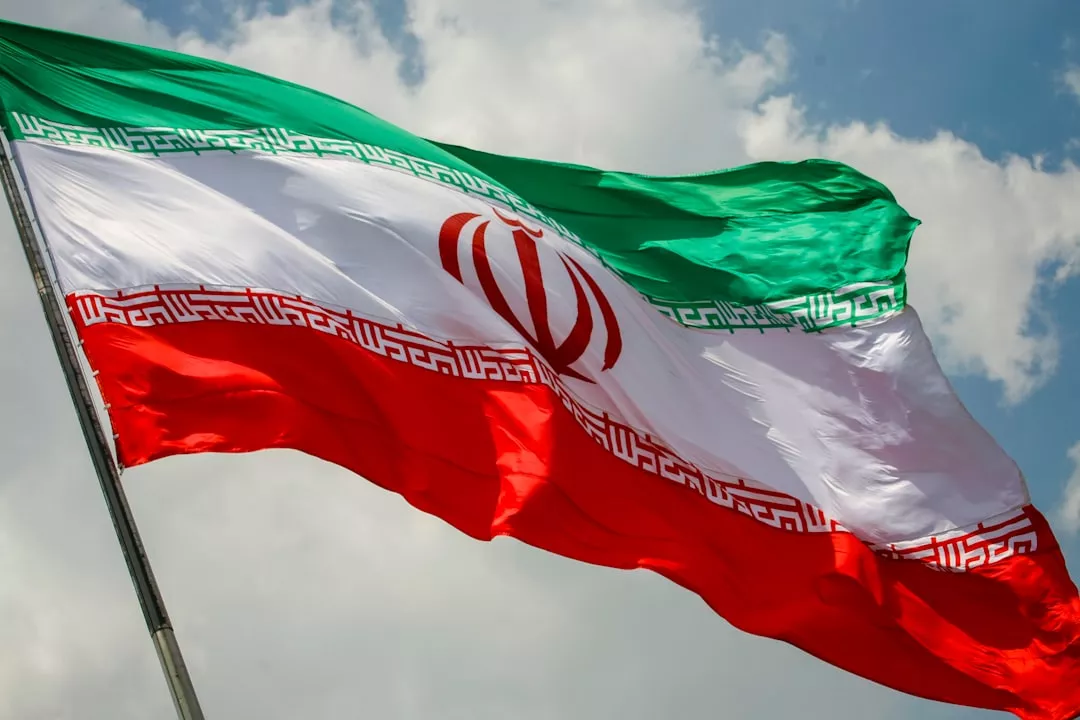
Historic Flight to Doha Marks New Chapter in Iran Conflict
Al Jazeera's Osama Bin Javaid reports from the inaugural Paris-Doha flight amid renewed tensions with Iran.
Middle East & Diplomacy Specialist
Introduction
In a poignant moment of geopolitical dynamics, the first commercial flight from Paris to Doha has taken off amidst unprecedented tensions following renewed hostilities involving Iran. Onboard this symbolic journey was seasoned Al Jazeera reporter Osama Bin Javaid, who provides firsthand insight into a region teetering on the brink of wider conflict.
Background of the Conflict
The recent conflict involving Iran has its roots in longstanding tensions that have escalated over the past decade. These include issues related to nuclear ambitions, regional influence, and conflicting ideologies between Iran and several Western nations. Tensions reached a boiling point earlier this year with renewed sanctions and subsequent military confrontations drawing international attention.
The resumption of flights to Qatar, particularly through Paris, represents a significant signal given Qatar's multifaceted role as a mediator and its diplomatic ties with key global powers including the United States, Europe, and regional players like Saudi Arabia and Iran.
Diplomatic Maneuvers
Qatar's role over the years has often been as a calm amid the diplomatic storm, providing a platform for dialogue and negotiation. With the restoration of this air route, diplomats and analysts view it as a potential pathway to resumed diplomatic engagement or at the very least, backchannel communications. This is critical to preventing a wider escalation that could draw in neighboring states in a region already fraught with volatility.
Perspectives on the Ground
Speaking from aboard the flight, Javaid noted, "The air is rife with uncertainty, yet there is an underlying hope that through continued engagement, regional stability might be achievable." Passengers, many of whom are diplomats, analysts, and business leaders, are keenly aware of the implications their journey may hold both symbolically and practically.
For many, Doha represents not only a physical destination but a metaphorical linchpin in efforts towards de-escalation. Qatar’s recent investments in regional stability—including extensive diplomatic dialogues and humanitarian aid—serve as infrastructural underpinnings for this process.
Geopolitical Implications
The complexities surrounding Iran-U.S. relations are intricately woven into this scenario. Currently, European nations are weighing their strategic interests against more hardline U.S. policies. This flight, while primarily symbolic, underscores the pressing need for a coordinated international response.
Moreover, the positions of regional players such as Saudi Arabia, Turkey, and the UAE remain pivotal. Each has vested interests in the outcome of this conflict, particularly concerning regional balance of power and economic stability.
Potential Outcomes
While the hope remains for a constructive dialogue leading to a lasting resolution, analysts fear potential missteps could result in broader military conflict. Such an event could threaten key global economic interests, particularly oil routes through the Strait of Hormuz, a critical chokepoint for global energy supplies.
Conclusion
As this flight touches down in Doha, it is more than just a journey across the skies but a reminder of the delicate interplay of geopolitics where every action, symbolic or otherwise, can have profound implications for international stability and peace.
Why It Matters
Why It Matters
The first flight to Doha since the onset of renewed hostilities with Iran signifies both a return to operational normalcy and a testament to diplomatic undertakings in progress. This event holds substantial geopolitical significance as it potentially marks the beginning of renewed multilateral dialogues involving Iran. Stakeholders worldwide are closely monitoring Qatar's intermediary role in diffusing tensions. The flight underscores the importance of open channels of diplomatic communication in averting escalation and fostering understanding. As military tensions brew with potentially severe economic repercussions, keeping diplomatic options viable remains crucial. Observers should watch for subsequent diplomatic engagements that may emerge from this key transport resumption, which could set the tone for future regional and international relations.