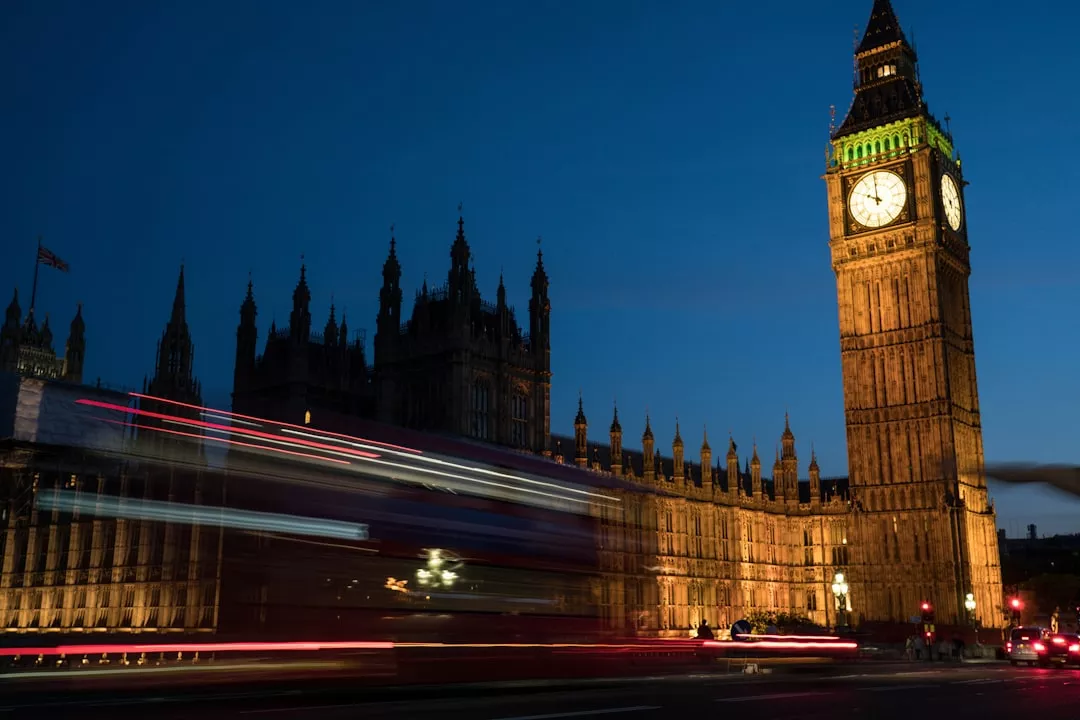
Green Party's Victory Signals New Era in UK Politics
The Green Party's historic win in the U.K. by-election reveals voter frustration with Labour, challenging Prime Minister Starmer's leadership.
Africa & Global Economy Correspondent

The British political landscape witnessed a significant shift as the Green Party secured their first parliamentary by-election victory, defeating the Labour Party in a profound setback for Prime Minister Keir Starmer. This electoral outcome emphasizes the growing disenfranchisement among left-leaning voters and presents a new dynamic in UK politics.
Historical Context and Political Climate
Traditionally, the Green Party has held a peripheral role in UK national politics, often overshadowed by the more dominant Labour and Conservative parties. However, the recent by-election marks a breakthrough, suggesting an increasing appetite for change among the electorate. The Green Party's success has been attributed to its focused campaign on environmental sustainability and social justice — issues that resonate with constituents amidst ongoing climate crises and economic uncertainties.
The Labour Party Under Starmer's Leadership
Under the leadership of Keir Starmer, the Labour Party has been striving to rebuild its base and regain the trust of voters following its defeat in the 2019 general election. However, the by-election results indicate a critical challenge for Starmer as he attempts to unify a party wrestling with ideological divides. His centrist approach may not be sufficiently appealing to voters seeking radical solutions to pressing issues, a factor that likely contributed to Labour's setback in this election.
Regional Perspectives and Reaction
Regionally, the Green Party's victory is perceived as a wake-up call for the mainstream parties, compelling them to address environmental issues more robustly. The results resonate particularly in urban areas where younger demographics and progressive values are more prevalent. Local political analysts suggest that this shift reflects a broader European trend where green policies are gaining traction amid growing environmental activism.
Geopolitical Implications
The rise of the Green Party in the UK could influence European geopolitics by adding weight to environmental governance in the region. With the UK being a notable player in global climate policy, this political shift could impact how the country negotiates and engages on these issues internationally. Moreover, this electoral success may embolden other green movements across the continent, potentially inspiring similar outcomes in upcoming elections elsewhere.
Path Forward and Political Repercussions
Looking ahead, the Green Party will face the challenge of transitioning from a protest party to a significant parliamentary presence, necessitating strategic partnerships and coalition-building. Meanwhile, the Labour Party must reassess its strategy and engage more effectively with its disillusioned base. For the Conservative Party, this development is a reminder of the evolving priorities of voters that could shape future policy directions.
Ultimately, this by-election result underscores a pivotal moment in UK politics, reflecting changing voter dynamics and a heightened awareness of environmental challenges that could influence the broader political discourse both domestically and internationally.
Why It Matters
The Green Party's historic win serves as a bellwether for shifting political attitudes in the UK and possibly across Europe. Its focus on environmental issues aligns with growing global concerns over climate change, suggesting that traditional political platforms might need to adapt to the ecological demands of modern voters. For international observers, this outcome signals the potential for significant policy shifts in post-Brexit UK, particularly in environmental diplomacy. Watch for how Labour responds to this wake-up call and whether this emboldens green movements elsewhere.