Greek Pensioner's Shooting Rampage Raises Security Concerns
An 89-year-old Greek pensioner arrested after a shooting raises questions about societal tensions and security lapses.
Senior Geopolitical Analyst
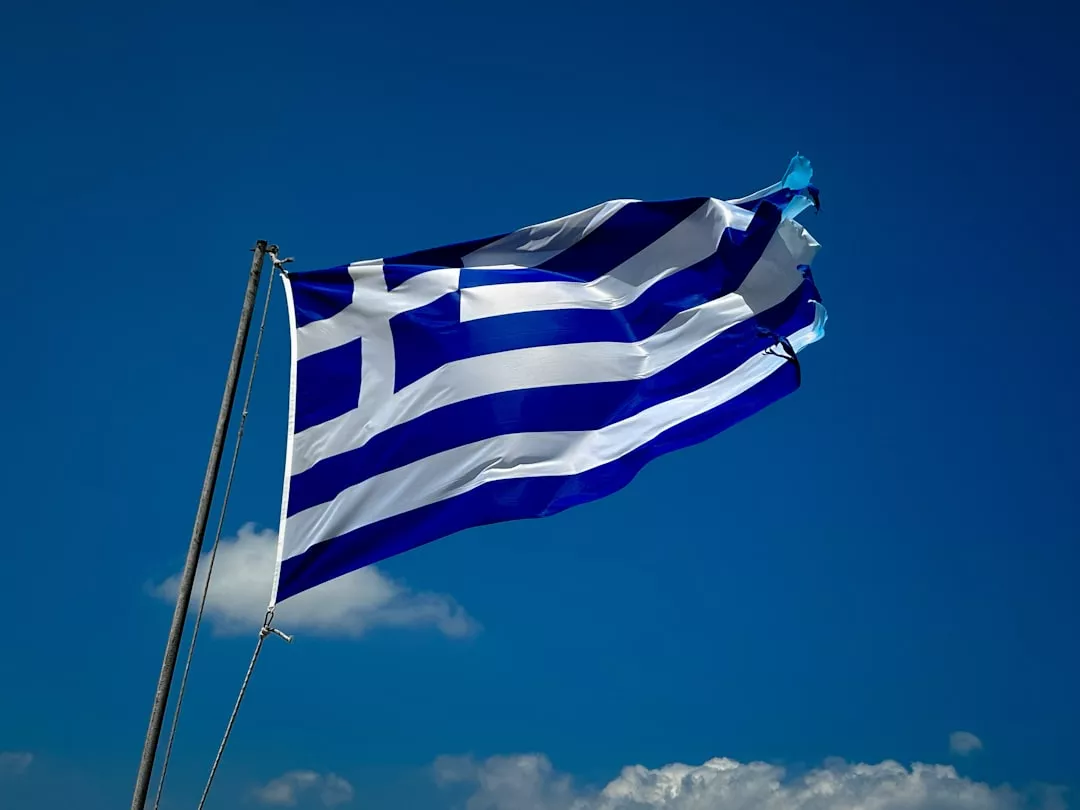
The arrest of an 89-year-old Greek pensioner following a shooting rampage has cast a spotlight on the current state of societal issues and security measures in Greece. The incident, which unfolded in a quiet suburb, left the community in shock and raised concerns about the complexities of gun control and social care for the elderly. The motives behind the pensioner's actions remain unclear, yet the consequences are likely to resonate both domestically and internationally.
Backdrop of Economic Strain and Social Tensions
Greece has been grappling with significant economic challenges over the past decade, primarily due to its financial crisis which began in 2009. The austerity measures imposed as a condition for bailout loans have had profound effects on the Greek populace, especially its older citizens. Pensions have been slashed, leading to increased poverty rates among the elderly, potentially heightening personal stress and societal discord.
While it is premature to directly link the accused pensioner's actions to these economic woes, the broader societal strain cannot be discounted. With a significant portion of the population over the age of 65, Greece faces unique challenges in terms of healthcare, social services, and emotional wellbeing for its elderly citizens.
Security Concerns and Gun Control
This tragic episode also casts a critical eye on the country's security apparatus and gun control policies. Greece has relatively stringent firearms regulations, but the enforcement of these laws is inconsistent, often leaving gaps that can be exploited. This incident underscores the need for a reassessment of these policies to prevent future occurrences.
The shooting also raises questions about public safety, the effectiveness of police response times, and the mechanisms in place to monitor potentially dangerous individuals. As details emerge, a clearer picture of the incident's implications on national security policies is expected.
European Implications and Geopolitical Context
At a regional level, this incident might influence how European Union member states perceive shared security challenges. Greece, positioned at the southeastern flank of Europe, plays a critical role in regional stability, often serving as a buffer against tensions from the Middle East and North Africa. With Greece's security questioned, shifts in regional security strategies could follow.
Historically, Greece has been a pivotal actor in regional diplomatic efforts. Any erosion of domestic stability could affect its ability to contribute to EU-level diplomacy and security strategies. The bloc may need to consider additional measures to support Greece both financially and logistically to prevent such incidents while maintaining regional stability.
The case also reflects broader socio-cultural issues prevalent across Europe, where aging populations and social welfare cuts strain social fabrics. The challenges faced by Greece mirror those across many European countries, albeit to varying degrees. Understanding these dynamics is essential for formulating comprehensive policy responses.
Why It Matters
This incident matters globally as it serves as a stark reminder of how overlooked societal tensions can manifest in unexpected and tragic ways. In regions like Europe, where aging populations coupled with economic strains present real challenges, it underscores the need for robust social support systems. Moreover, it raises critical questions not just for Greece but for broader Western democratic societies, about balancing civil liberties with security, and ensuring that aging citizens remain integrated and supported within the community.
Governments around the world should take heed of this event as a learning opportunity. It highlights the importance of reevaluating public safety mechanisms, particularly in ensuring that vulnerable populations are adequately protected and that preventative measures are in place. As geopolitical tensions persist, ensuring domestic stability becomes all the more crucial in maintaining international peace and security.