Global Outcry Against US-Israeli Conflict with Iran Intensifies
The US-Israeli conflict with Iran faces global condemnation, raising legal and moral questions amid concerns of neo-colonial tactics.
Middle East & Diplomacy Specialist
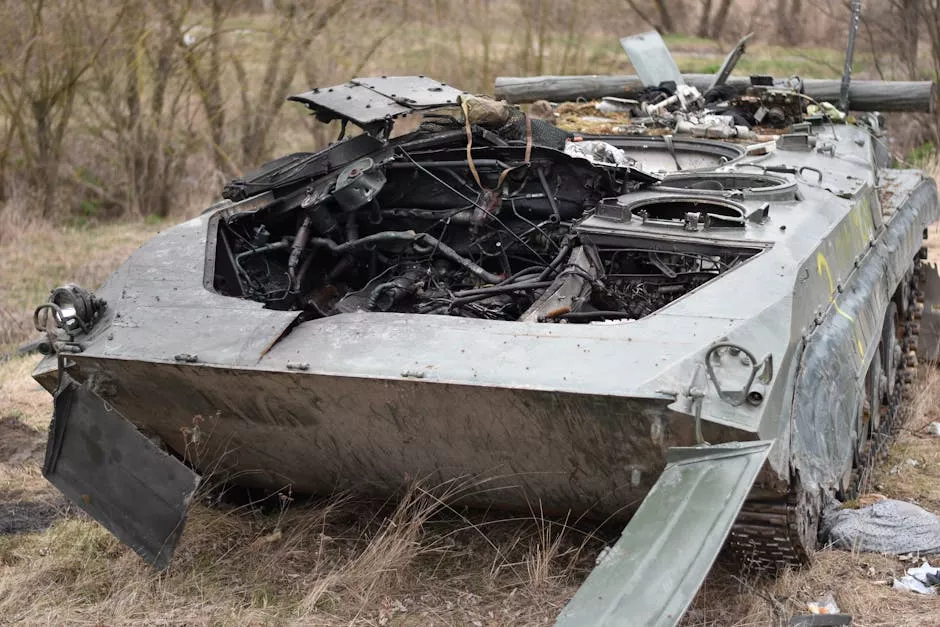
The US-Israeli offensive against Iran has ignited widespread backlash across the Global South, with allegations of imperialist aggression and questions surrounding the legality of the conflict. The assassination of an Iranian leader has been met with international condemnation, particularly from China and South Africa, which criticized the lack of diplomatic efforts before resorting to military action.
Background of the Conflict
Tensions between the US, Israel, and Iran have long been simmering, primarily due to disputes over Iran's nuclear ambitions and regional influence. Previous negotiations aimed at defusing the situation had focused on limiting Iran’s nuclear program in exchange for sanction relief. However, these diplomatic efforts have repeatedly stalled, largely due to mutual distrust and geopolitical maneuvering.
Condemnation from the Global South
China has described the assassination of an Iranian leader as an unacceptable act, infringing upon the sovereignty of a nation and disregarding international norms. Similarly, South Africa has raised concerns about the 'pre-emptive' nature of the attack, drawing parallels to previous Western interventions that have left long-lasting scars on the regions involved.
Many analysts view this situation as a manifestation of neocolonial attitudes, where powerful nations wield their military might without exhaustive attempts at diplomacy. This perception is particularly acute in regions previously subjected to colonial rule, contributing to a pervasive skepticism towards Western foreign policy motives.
International Legal and Ethical Concerns
The controversy centers not only around the military actions themselves but also their justification under international law. Critics argue that the offensive bypasses measures enshrined in the United Nations Charter, which advocates for peaceful resolution of conflicts. The assassination and subsequent strikes have raised alarms over their targeted nature, potentially undermining international legal frameworks intended to prevent unilateral military actions.
Moreover, the potential fallout from this conflict extends beyond immediate regional actors. The escalation risks destabilizing the broader Middle East, threatening global energy supplies and exacerbating existing humanitarian crises.
Regional Implications and Global Reactions
Within the Middle East, reactions are mixed, with some states quietly supportive of weakening Iranian influence, while others fear the chaos that could arise from an unchecked conflict. For nations like Lebanon, already tense with internal and external challenges, the war poses an additional layer of unpredictability and danger.
From a geopolitical standpoint, this conflict foregrounds the declining efficacy of traditional alliance structures and the shifting balance of power, as countries in the Global South increasingly assert their voices in international affairs.
As the situation develops, the international community remains divided on how to respond, balancing strategic interests with ethical considerations and the preservation of international law.
Why It Matters
The US-Israeli conflict with Iran is significant for several reasons. It marks a potential shift towards unilateral military actions over multilateral diplomacy, setting a precedent with profound implications for international relations. As global condemnation mounts, the situation underscores a growing rift between Western powers and the Global South, reawakening old colonial grievances and narratives.
For observers, the broader geopolitical stakes are clear: this conflict could redraw partnerships and alliances, shaping future diplomatic engagements. The outcome may influence the delicate balance of power in the Middle East, with possible economic repercussions due to regional instability affecting global markets.
Going forward, readers should watch for responses from major international bodies like the United Nations and potential shifts in public policy by influential global leaders and their administrations.