Germany's Industrial AI Revolution: A Global Competitor Emerges
Germany's Industrial AI innovations pave the way for global competition against US and China, challenging economic stagnation.
Senior Geopolitical Analyst
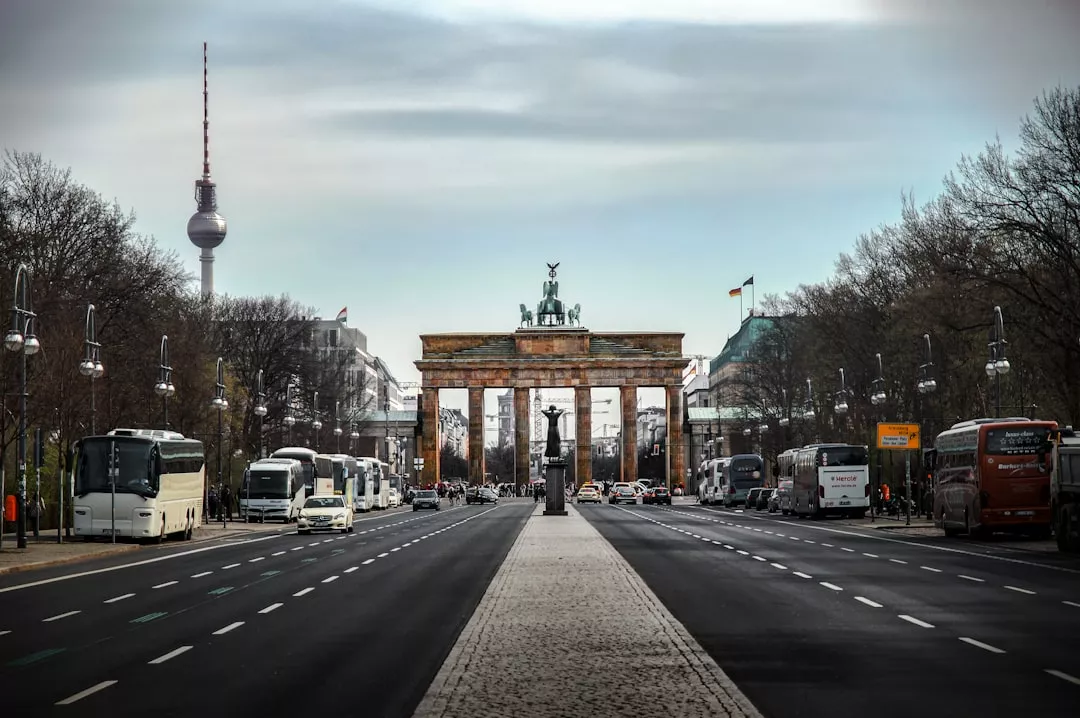
Germany, long celebrated for its engineering prowess and robust industrial base, stands at the forefront of innovation with the introduction of its Industrial AI Cloud. By integrating artificial intelligence into manufacturing processes, Germany is poised to rejuvenate its industrial sector, potentially challenging the dominance of the United States and China in global tech-powered production.
Harnessing AI in Manufacturing
The development of Industrial AI in Germany represents a strategic shift towards smarter production capabilities. This initiative leverages AI to optimize manufacturing processes, streamlining operations by creating virtual factories and deploying advanced robot fleets. The Industrial AI Cloud serves as the backbone of this transformation, offering scalable infrastructure to support these technologies.
The German government and private sectors have invested heavily in this transformation, with the aim of combating economic stagnation that has largely resulted from the digital economy's rapid evolution and the global shift towards automation.
Historical Context: A World of Change
Germany's industrial roots can be traced back to the Industrial Revolution, during which it emerged as a manufacturing powerhouse. In the modern era, Germany's economy remains heavily reliant on its manufacturing sector, particularly automotive, machinery, and chemical industries. However, the rise of digitalization and globalized supply chains has challenged traditional manufacturing paradigms.
In response, Germany has sought to maintain its competitive edge through technological innovation. The introduction of Industry 4.0 marked a significant step in this direction, integrating digital technology with industrial practices. Now, Industrial AI seeks to take this vision further, offering a path to enhanced productivity and sustainable growth.
Regional Perspectives and Global Implications
Industrial AI in Germany not only underscores the nation’s commitment to maintaining its industrial dominance but also highlights the geopolitical dynamics at play. As the EU's largest economy, Germany’s adoption of cutting-edge technology influences broader European strategies and economic policies. This could potentially inspire other EU states to advocate for similar innovations within their borders, fostering a more cohesive economic bloc ready to compete on a global scale.
On the geopolitical stage, this development positions Germany as a substantial competitor against tech giants like the US and China. In the US, tech companies have long pushed the frontier of AI innovation, while China has invested billions into AI research across various industries, from surveillance to consumer goods. Germany's Industrial AI could level the playing field, introducing new competition and encouraging cross-border tech partnerships.
Challenges and Opportunities
Despite these advancements, challenges remain. Data privacy concerns, workforce displacement due to automation, and the need for retraining programs are critical aspects that Germany must address to ensure the success of its AI integration. Furthermore, navigating the complex landscape of international trade relations will be crucial as Germany seeks to expand its digital footprint without inciting trade tensions.
Nevertheless, the opportunities are vast. By refining production processes, reducing waste, and improving efficiency, Germany's Industrial AI endeavor could serve as a blueprint for sustainable industrial futures worldwide.
Why It Matters
The emergence of Industrial AI in Germany is a pivotal moment in the global economic landscape, reshaping not only how the country approaches manufacturing but also how it interacts with major international players. This technological leap could potentially recalibrate trade relationships by introducing Germany as a viable competitor in the AI-driven industrial sector, challenging US and Chinese hegemony. For observers, the critical takeaways include tracking Germany's ability to align its workforce and infrastructure with such rapid advancements and understanding how this new competitive edge will influence European economic policies and global trade dynamics. The world is on the cusp of a new industrial era, with Germany potentially leading the charge.