Germany Faces Criticism over Gulf Evacuation Challenges
Germany's evacuation plan for stranded Gulf travelers has been criticized. Authorities warn of scams amid rebooking efforts.
International Relations Correspondent
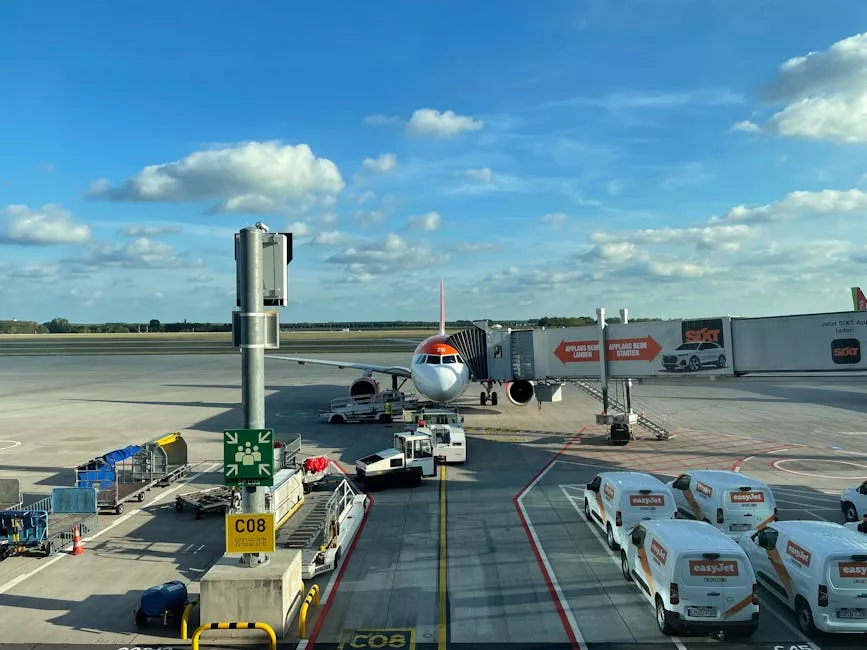
The German government's evacuation strategy for citizens and travelers stranded in the Gulf region has faced mounting criticism from opposition parties and travelers alike. As tensions in the region continue to strain international relations, Germany's opposition leaders have labeled the current evacuation plan as insufficient and lacking in strategic forethought.
The Evacuation Plan Under Scrutiny
Germany's Ministry of Foreign Affairs announced their intention to organize flights and coordinate with local Gulf authorities to ensure the safe evacuation of German nationals caught in volatile situations. However, opposition parties, including members from the Christian Democratic Union (CDU) and the Green Party, have voiced concerns that the current strategy is reactive rather than proactive, and risks leaving many without viable options for evacuation.
One key criticism is the perceived lack of coordination with other European Union members. Opposition figures argue that a collective EU approach could provide better resources and increased leverage to negotiate safe passages through conflict zones.
The Regional Context
The Gulf region has seen increasing instability over recent years, driven by conflicts in Yemen, tensions between Saudi Arabia and Iran, and the fragile status of several Gulf states. This geopolitical turbulence has made it crucial for foreign nationals residing or traveling in the region to have reliable and efficient evacuation plans.
Historically, the region has been a crossroads of political, cultural, and economic turmoil, which exacerbates the challenges faced by travelers. The German government has frequently updated its travel advisories, but critics argue that these measures are not enough.
Scam Alert Amid Rebooking Chaos
As evacuees attempt to rebook flights, fraudulent schemes have emerged to exploit the chaos. German police have warned travelers to exercise caution and verify the authenticity of any communications concerning flight rebookings. Scammers have reportedly posed as airline representatives or travel agents to glean personal information and financial details from unsuspecting victims.
The Federal Criminal Police Office (BKA) has issued guidelines to help travelers identify potential scams, urging them to use secure payment methods and to contact airlines directly through official websites or phone numbers.
Geopolitical Implications
Germany's evacuation challenges are reflective of the broader implications of Gulf region instability. The geopolitical stakes are high, as the region plays a critical role in global oil markets, regional security, and international diplomacy. Germany’s handling of this situation is being closely monitored by allies and adversaries alike, potentially impacting its foreign relations and influence in Middle Eastern affairs.
The criticism also brings to light the need for robust international cooperation in crisis management. As global powers vie for influence in the Gulf, Germany’s response may serve as either a cautionary tale or a template for future engagements in volatile regions.
Why It Matters
The situation in the Gulf highlights the fragility of international strategies in the face of rapid regional developments. Germany's evacuation efforts underscore a critical need for stronger international collaboration in managing crises. This moment is particularly pivotal for evaluating the readiness and adaptability of current diplomatic frameworks. With international relations tense, any misstep could lead to larger geopolitical consequences, including strained alliances and weakened regional influence for Germany. Observers should watch closely for shifts in Germany’s foreign policy strategy and any emerging multilateral agreements aimed at stabilizing the region.