Germany Faces Economic Strain as Middle East Conflict Hits Oil Supply
Fuel prices in Germany soared by 20% due to Middle East conflict. Oil production halts in Iran cause global economic ripples.
International Relations Correspondent
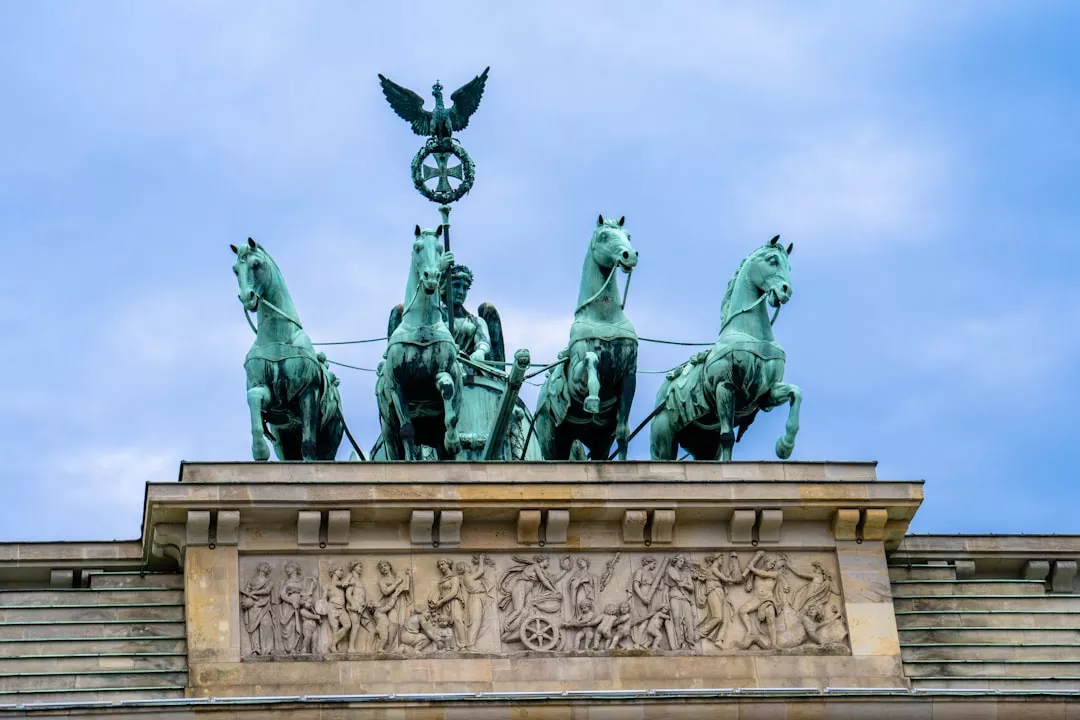
The recent conflict in Iran and its ripple effects across the Middle East have led to a significant spike in fuel prices in Germany. Within just a few days, consumers have observed a 20% increase at gas stations for both petroleum and diesel. This development not only impacts daily commuters but also has broader economic repercussions for Europe's largest economy.
Immediate Effects on German Economy
Germany, like many European nations, is heavily reliant on oil imports to meet its energy needs. The disruption in oil production and shipments from the Middle East has strained the supply chain, leading to scarcity and consequently driving up prices. This surge in fuel costs will likely lead to increased transportation costs, affecting everything from logistics to general consumer goods prices.
Historical Context of Oil Dependence
Germany's dependence on foreign oil is not a new development. Historically, the country has had to navigate similar challenges due to its lack of domestic oil reserves. The 1970s oil crisis serves as a poignant reminder of how geopolitical tensions in the Middle East can have far-reaching implications for Germany's economy. The current situation mirrors the past in many ways, as nations once again grapple with the vulnerabilities of globalized energy dependencies.
Regional Perspectives and Reactions
The European Union, of which Germany is a pivotal member, has expressed concern over the escalating conflict in Iran. Diplomats are keenly aware of the potential for prolonged instability in the region to exacerbate energy security issues. Meanwhile, countries in the Middle East are dealing with the immediate impacts of the conflict, which could alter alliances and economic strategies, further influencing global oil markets.
Geopolitical Implications
Beyond economic concerns, the conflict in Iran raises alarm about geopolitical stability. Europe's energy policies are increasingly under scrutiny, with calls for diversification in energy sources gaining momentum. Additionally, the situation underscores the entangled nature of international relations, where a regional conflict can reverberate globally, affecting energy policies, security alliances, and economic stability.
In conclusion, the rising fuel prices in Germany are a stark indicator of the broader implications of Middle Eastern geopolitical conflicts. The situation demands both immediate economic responses and long-term strategic adjustments in energy policy to mitigate future risks.
Why It Matters
Why It Matters
The current spike in fuel prices serves as a critical reminder of the interconnectedness of global economies and the impact of regional conflicts. For Germany, the increased energy costs could dampen economic growth, lead to higher inflation, and strain household budgets. On a global scale, this situation highlights the urgent need for diversified energy strategies and stable diplomatic relations. Observers should monitor how this conflict influences international energy policies and regional stability, as the consequences could redefine geopolitical alignments and economic policies worldwide.