Germany Confronts China's Economic Might: Merz's Bold Move
Chancellor Merz faces rising pressure to counterbalance China's economic influence, sparking debates over new trade barriers.
Africa & Global Economy Correspondent
In recent months, Chancellor Friedrich Merz of Germany has found himself at the center of a geopolitical tempest, navigating the complex waters of international trade dynamics with China. As economic contestation heats up, Germany stands on the brink of imposing new trade barriers aimed at countering what Berlin perceives as unfair trade practices by China, a move that could reshape the landscape of European commerce.
A Historic Rivalry
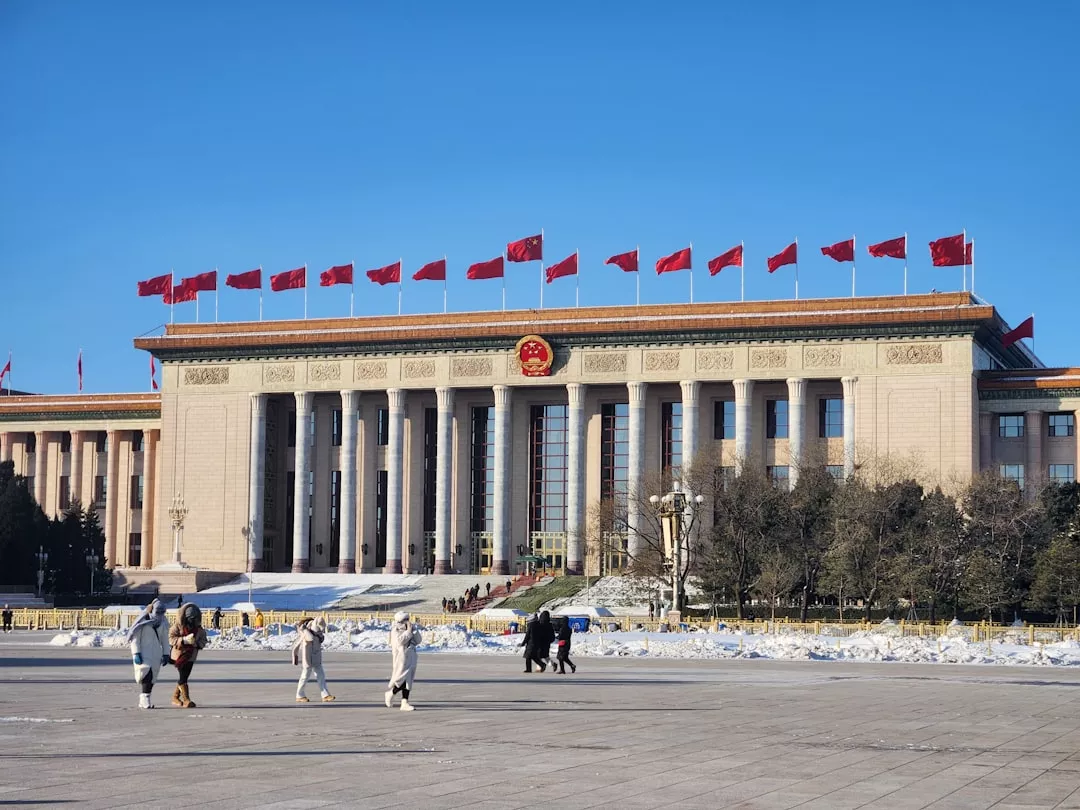
The rivalry between Germany and China is not new. Over the past two decades, China's meteoric rise as a global economic powerhouse has challenged the dominance of traditional industrial leaders like Germany. Beijing's expansive policies, ranging from its Belt and Road Initiative to aggressive technology investments, have encroached on markets long dominated by European products, sparking unease in Berlin corridors.
Historically, Germany has prided itself on its industrial prowess, particularly in automotive, mechanical engineering, and chemical sectors. Yet, as China rapidly advances its industrial base, it increasingly challenges Germany's position through high-tech advances, undermining Germany’s exports and market share.
The Economic Impact
This backdrop sets the stage for current debates in Berlin. German industries, especially manufacturing and technology firms, have felt the pinch from Chinese competition. Reports indicate that Chinese subsidies and lower labor costs have allowed Chinese firms to dump cheaper products in European markets, unsettling local industries.
In response, Chancellor Merz proposes stringent trade barriers designed to protect domestic industries. Such a move, however, could also invite retaliation from China, risking a trade war that could spill over into broader geopolitical spheres. The European Union, of which Germany is a leading member, views these protectionist tendencies with caution, wary of disrupting the continent's intricate trade networks.
Regional Reactions
Across Europe, reactions are mixed. Some EU members align with Merz's protective stance, recognizing that unchecked Chinese practices might undermine the bloc's long-term economic stability. Conversely, others advocate for dialogue over confrontation, emphasizing the mutual benefits of open trade and cooperation. These divisions pose a significant challenge for Chancellor Merz, who must navigate internal EU politics to form a cohesive front.
Potential Geopolitical Implications
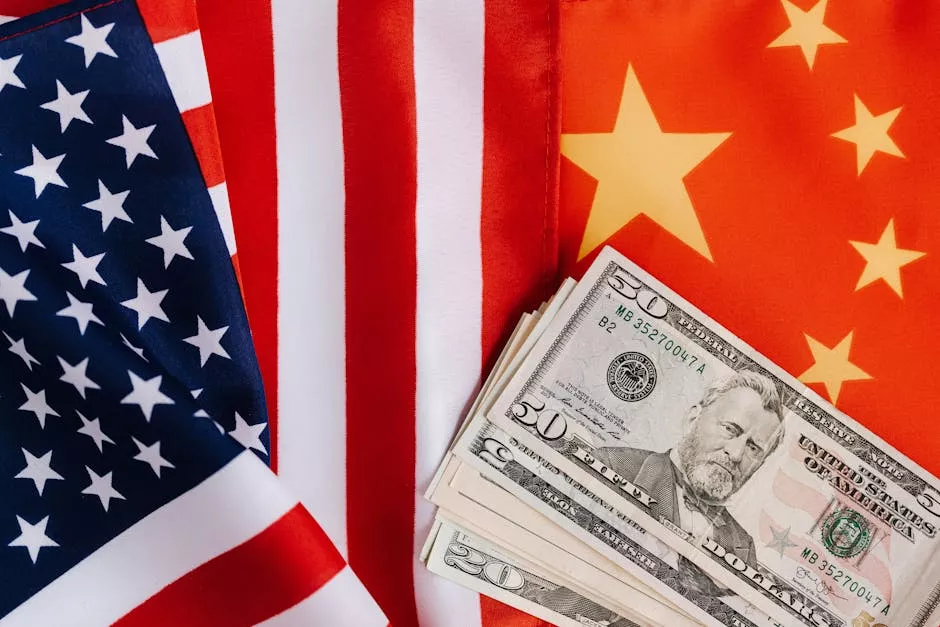
The proposed trade barriers carry significant geopolitical implications. Imposing barriers could shift global economic alliances, with countries being drawn deeper into US-China tensions, potentially compromising Germany's pivotal role as an intermediary. Furthermore, Germany's move might incite China to intensify its efforts in regions like Africa and Latin America, where it has been competing for soft power influence against Western nations.
The broader geopolitical milieu is thus a delicate balance. Merz's decisions will reflect Germany’s strategic priorities—whether to engage in nationalistic trade policies or perpetuate globalization trends, despite the risks so often associated with both.
Global Ramifications
In the grander scheme, Germany's stance may signal a broader shift in Western economic policy towards more protective measures in the face of a resurgent China. It exemplifies the friction in adapting liberal economic doctrines to an increasingly multipolar world order, where dynamics between authoritarian states and democratic coalitions continue to evolve.
Overall, Friedrich Merz's leadership and Germany's subsequent actions could redefine economic frameworks that have persisted since the post-Cold War era, setting precedents with enduring ramifications for global trade and diplomacy.
Why It Matters
Why It Matters: Chancellor Merz's move to confront China's economic strategies is pivotal, representing an emergent shift in global economic paradigms. The potential trade barriers mark a departure from the post-WWII liberal economic order, skewing towards protectionism amidst rising multipolar tensions. This poses significant implications for international trade policies and geopolitical alliances. Observers should monitor the EU's cohesion in response to these strategies and the broader impact on US-China relations, as well as policy shifts within other major economies. The outcome could reshape not only Germany's economic future but also that of the entire global order.