Gaza Hospitals Struggle to Care for Newborns Amid Aid Shortage
Despite increased aid since the ceasefire, Gaza hospitals face severe challenges in providing care for newborns as resources remain insufficient.
Defense & Security Editor
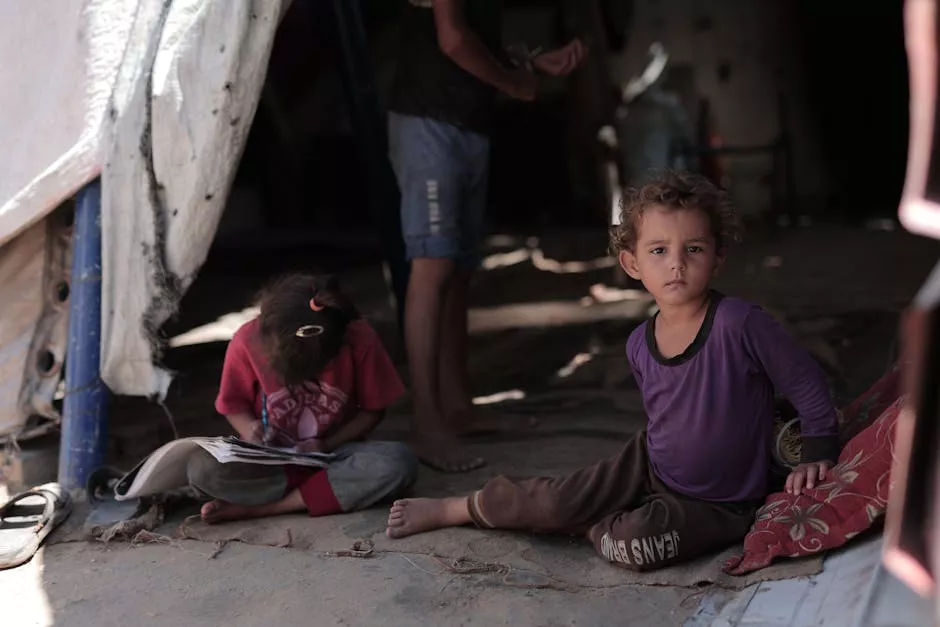
The recent ceasefire has allowed for a slight improvement in the humanitarian situation in Gaza, but hospitals continue to face overwhelming challenges, particularly in providing adequate care for newborn babies. As more aid flows into the region, it has become apparent that these resources are insufficient to meet the urgent needs of the population.
History of Conflict in Gaza
The conflict in Gaza has deep roots, dating back to the Israeli-Palestinian hostilities that have persisted for decades. The Strip has been under a blockade by Israel and Egypt since 2007, following Hamas' takeover. This blockade has severely limited access to essential goods, including medical supplies, compounding the healthcare challenges in one of the world's most densely populated areas.
Current Humanitarian Conditions
With the ceasefire initiated three months ago between Israel and Hamas, there was hope for a significant influx of aid. However, according to the United Nations, the current level of aid fails to cover even the basic needs of the populace. Hospitals, particularly neonatal wards, are struggling to stay afloat, lacking critical supplies such as incubators, medicines, and trained personnel to handle complex medical situations.
The fragile healthcare infrastructure has led to heartbreaking scenarios where medical professionals must make impossible choices about resource allocation. Providing consistent and quality care for newborns has become a daily battle against time and logistics.
Impact on Healthcare Facilities
One of the most strained facilities is the Al-Shifa Hospital in Gaza City. It is the largest medical complex in the area, often at the forefront of dealing with civilian casualties during conflicts. Now, its neonatal unit is grappling with electricity shortages, limited space, and a lack of specialized medical equipment essential for the survival of premature babies.
The head of pediatrics at Al-Shifa highlighted the dire conditions, noting that the scarcity of incubators forces the hospital staff to place two or even three babies in a single incubator, heightening the risk of infections. The shortage of drugs, including antibiotics and other life-saving medications, further complicates efforts to safeguard these vulnerable young lives.
Regional and International Response
Efforts to remedy these conditions are underway, with international organizations like UNICEF and the World Health Organization seeking to prioritize the shipment of medical supplies specifically for pediatric care. However, the ongoing geopolitical tensions often delay or restrict these life-saving interventions.
Regionally, political dynamics continue to impact humanitarian strategies. The Egyptian government's role as a mediator during the ceasefire is crucial, yet their involvement in maintaining the blockade presents a paradox in effectively addressing humanitarian needs.
A wider international commitment is essential to not only increase the quantity and speed of aid but to facilitate long-term solutions that address the systemic issues facing the healthcare system in Gaza.
Geopolitical Implications
The healthcare crisis in Gaza reflects broader geopolitical tensions in the Middle East. The Israeli-Palestinian conflict has longstanding implications that transcend regional borders, influencing international policy and aid distribution strategies. As the world watches, the situation of newborns in Gaza hospitals serves as a microcosm of the larger humanitarian struggles affecting millions in conflict zones worldwide.
The resolution of these issues requires robust diplomatic efforts and a reevaluation of international approaches towards both aid allocation and conflict resolution models.
Why It Matters
Why does the plight of newborns in Gaza hospitals matter on a global scale? The situation highlights the grim realities of life in a conflict zone, presenting moral and ethical dilemmas for international stakeholders. The insufficient aid underscores the challenges in coordinating a global humanitarian response that is both efficient and equitable. Furthermore, the ongoing instability in Gaza indirectly affects regional security dynamics, influencing policy decisions across neighboring states and international institutions. The potential worsening of the humanitarian crisis poses significant risks, not just to Gaza's populace, but to regional peace prospects. As global tensions persist, the world must vigilantly observe developments in Gaza’s relief efforts as a measure of broader geopolitical cooperation and commitment to human rights.