Gaza Facing Dire Food Shortage Amid Iran Conflict and Border Alerts
Escalating regional tensions exacerbate Gaza's food crisis, forcing residents to scramble for scarce supplies.
Africa & Global Economy Correspondent
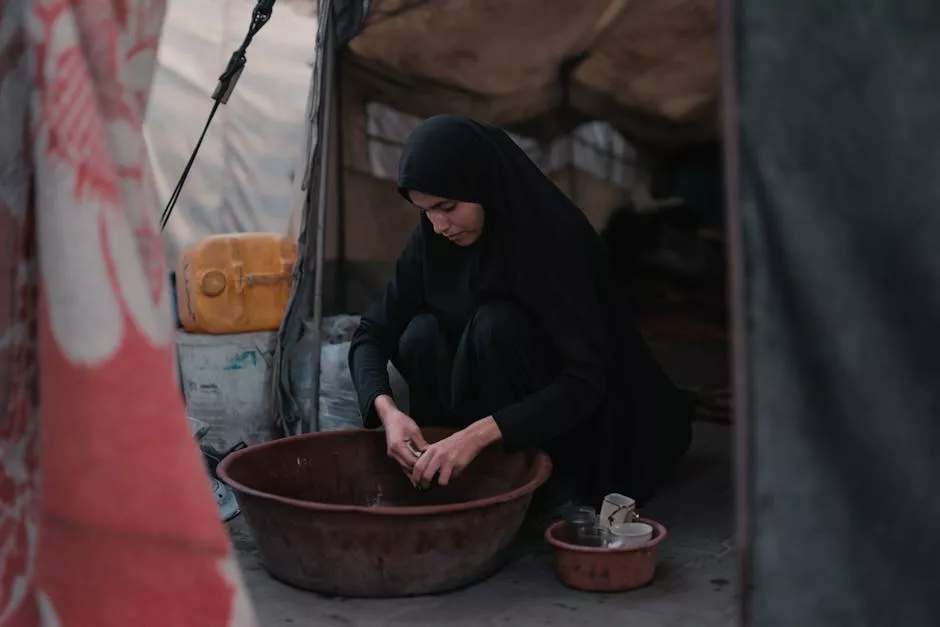
The humanitarian situation in Gaza has significantly worsened as the region confronts a grave food shortage, heightened by the recent geopolitical tensions involving Iran. With the ongoing conflict in the region, essential supply chains have been severely disrupted, exacerbating an already dire situation for Gaza’s residents.
Growing Crisis Amid Regional Conflict
The latest surge in conflict between Iran and various regional powers has led to increased border closures, primarily impacting Gaza's sole border crossing with Egypt at Rafah. This has hindered the flow of goods, including vital food supplies, into the beleaguered territory. The border closures not only obstruct essential trade routes but also prevent humanitarian aid from reaching the people who need it most.
Historical Context of Blockade
Gaza has long been under a blockade that restricts the movement of people and goods in and out of the territory. This blockade, imposed by Israel and Egypt in 2007 following the Hamas takeover, has seen Gaza’s economic conditions deteriorate over the years. Even before the current crisis, poverty and unemployment rates in Gaza were soaring, making it increasingly difficult for families to afford basic commodities.
Impact on Local Population
With supply lines crippled, traders and consumers in Gaza report witnessing empty shelves and skyrocketing prices for basic goods. Markets that were once bustling with activity have now become places of desperation and anxiety. Many families are forced to ration their existing food supplies, relying on bread, water, and basic staples to survive.
Geopolitical Repercussions
The intensifying conflict reflects broader regional tensions, with implications far beyond Gaza. Iran’s role in regional politics has often been contentious, primarily due to its support for various non-state actors across the Middle East. The recent hostilities underscore the complex web of alliances and enmities that define Middle Eastern politics, raising concerns about further destabilization.
International Response
International aid organizations have called for urgent interventions to alleviate the suffering in Gaza. However, geopolitical divides often impede coordinated international responses. Western countries have shown varied responses based on their alliances and geopolitical interests in the region, making a unified global response challenging.
Need for Diplomatic Efforts
Experts emphasize that diplomatic channels need to be urgently opened to address both humanitarian needs and underlying political tensions. Sustained diplomatic engagement could lay the groundwork for easing blockades and ensuring the unhindered delivery of essential supplies to Gaza.
Call for a Ceasefire
A potential ceasefire could prove instrumental in averting a humanitarian catastrophe in Gaza, but it requires mutual concessions and trust-building among rival factions and their international backers. Until then, the residents of Gaza will continue to face the brunt of geopolitical rivalries and territorial disputes.
The enduring conflict and food insecurity in Gaza illustrate the broader failure to address long-standing grievances and geopolitical ambitions in the Middle East. Without concerted efforts to mediate and resolve disputes, the humanitarian situation in Gaza is likely to remain bleak.
Why It Matters
Why It Matters: The unfolding crisis in Gaza is emblematic of the intricate and volatile web of Middle Eastern geopolitics. The humanitarian ramifications of the conflict in one small region can ripple across international borders, challenging global peacekeeping and humanitarian efforts. As Iran's geopolitical maneuvers continue to unsettle its neighbors, the potential for broader conflict remains high. Observers must watch the evolving diplomatic engagements and potential for ceasefires, which could de-escalate tensions and ameliorate humanitarian crises. Any lasting solution will require international cooperation, robust negotiation frameworks, and a willingness to address fundamental political disputes.