Fuel Crisis: Qatar's Gas Halt Hits India and Europe Hard
Qatar's LNG supply disruption amid conflict sends shockwaves through global energy markets, affecting India and Europe's economies.
Africa & Global Economy Correspondent

Introduction
The geopolitical landscape of energy has recently encountered a significant disruption, as Qatar, a leading exporter of liquefied natural gas (LNG), halts its production amid escalating tensions in the Gulf. This cessation of gas supplies is causing seismic ripples across global energy markets, leaving India and Europe grappling with escalating fuel prices and contemplating the broader geopolitical ramifications. This development adds to the existing pressures exerted by the ongoing conflict in the region on international markets and economies.
Historical Context
Qatar has long been a cornerstone of the global LNG market, boasting the third-largest reserves in the world. For decades, its liquefied natural gas exports have served as a crucial energy source for many countries, particularly in Asia and Europe. Historically, the Gulf region's geopolitical stability has been integral in maintaining consistent energy supplies. However, recent conflicts have disrupted this balance, reminding the world of the vulnerabilities inherent in relying on fossil fuels sourced from geopolitically volatile regions.
Impact on Europe
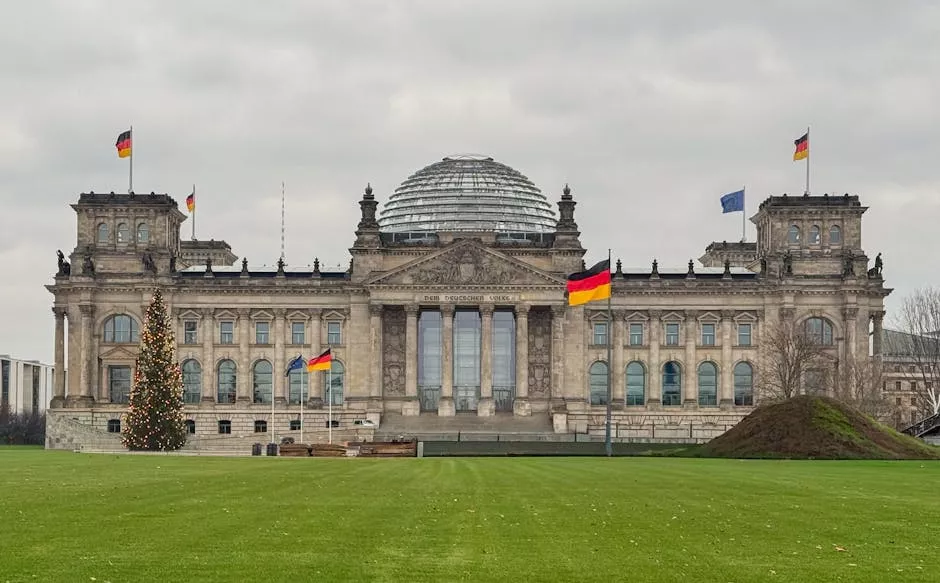
Europe, which has been diversifying its energy sources to reduce dependency on Russian gas imports following the Ukraine conflict, faces a severe setback. Several European nations had turned to Qatari gas as a viable alternative to Russian energy. This sudden halt in supply comes at a critical juncture, as countries like Germany, France, and Italy navigate their energy transition amidst rising demands and climate commitments. The ensuing price hike threatens to derail economic recovery efforts post-pandemic, increasing production costs and inflationary pressures across the continent.
The Indian Perspective
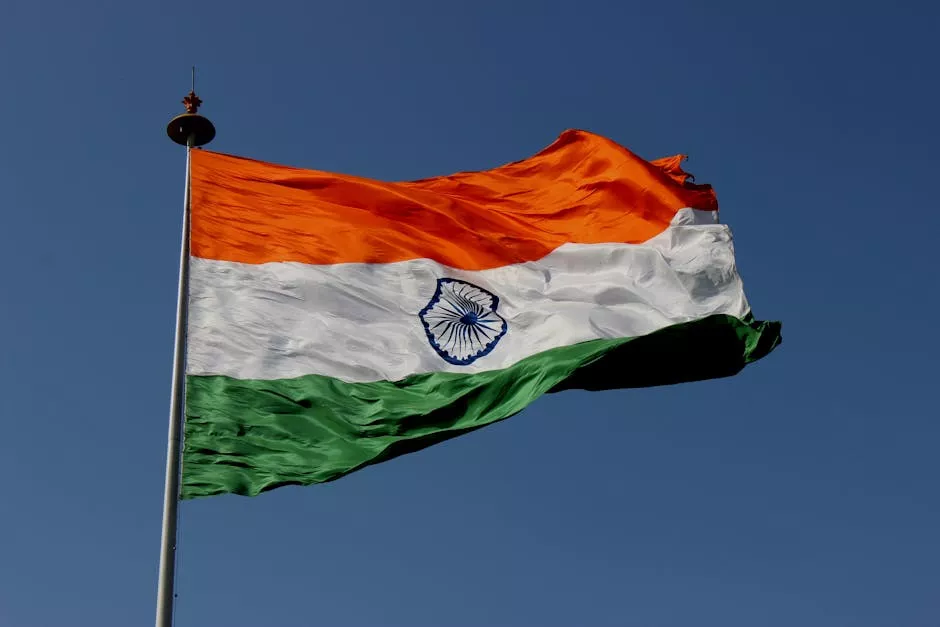
India, a rapidly growing economy with burgeoning energy demands, finds itself similarly impacted. The country relies heavily on LNG imports to power its industries and meet domestic needs. As Qatari exports come to a standstill, energy providers in India scramble to secure alternative supplies, exacerbating price cycles and straining economic stability. The increased cost of energy is likely to cascade into various sectors, affecting everything from manufacturing to transportation.
Geopolitical Implications
The disruption in LNG supplies from Qatar outlines the intertwined nature of global energy markets and geopolitical tensions. It underscores the need for diversification not only of energy supply sources but also of diplomatic engagements and alliances. This crisis presents both a challenge and an opportunity for countries to revisit their energy security strategies and foster international collaborations oriented towards more stable and sustainable solutions.
Moreover, the situation puts a spotlight on the critical nature of Gulf geopolitics. As nations recalibrate their foreign policies in response to shifting alliances and conflicts, Qatar's decision to halt production serves as a stark reminder of the leverage energy-rich nations hold in global affairs.
Concluding Thoughts
The immediate aftermath of Qatar's decision to halt LNG production manifests as a tangible energy crunch for India and Europe. However, the longer-term implications reach far beyond immediate economic disruptions. They point to the necessity for a paradigm shift in how nations manage energy dependencies, prepare for geopolitical uncertainties, and engage in multilateral efforts to ensure energy security.
Why It Matters
Why It Matters
The ripple effects of Qatar's LNG production halt are profound, extending beyond energy markets into the broader fabric of international relations and economic stability. This development signals potential shifts in global energy partnerships, urging countries to reevaluate their reliance on energy imports from geopolitically unstable regions. The crisis also amplifies the urgency for nations to invest in renewable energy, strengthen regional alliances, and secure alternative resources. Observers should watch for changes in energy policies, potential diplomatic negotiations, and alliances emerging among impacted countries as they navigate this energy landscape fragility.