Four Years On: Unyielding Conflict in Ukraine
Marking four years of conflict, Ukraine remains engulfed in a tumultuous struggle as diplomatic solutions seem distant amid continued fighting.
Middle East & Diplomacy Specialist
Four Years of Conflict: Ukraine's Ongoing Struggle for Sovereignty
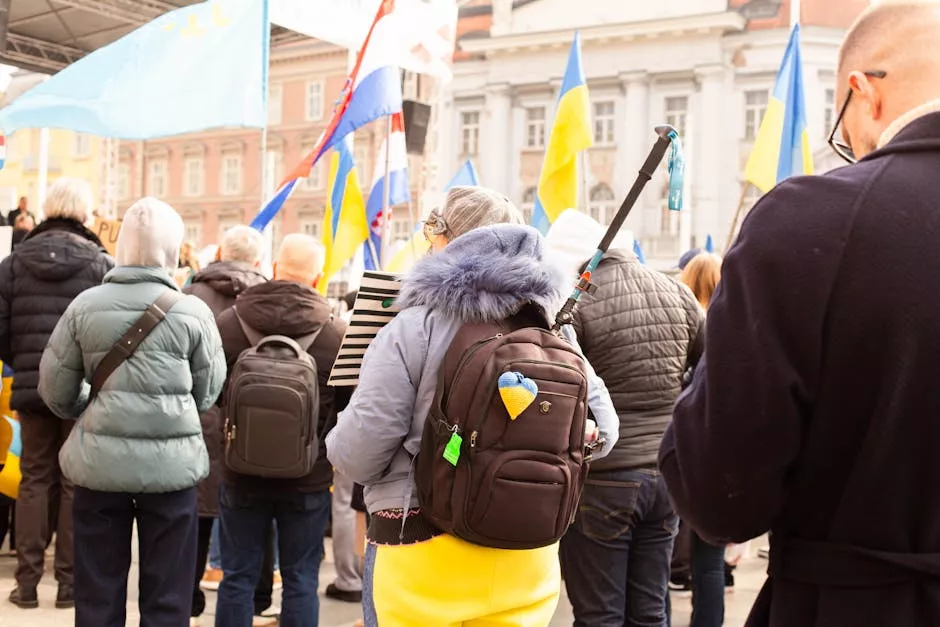
February 24, 2026, marks four years since Russian troops crossed the Ukrainian border, initiating a conflict that has resounded beyond the borders of Europe. Despite numerous diplomatic efforts to resolve the fighting, Ukraine remains a battleground that signifies much more than a bilateral dispute.
Historical Context: A Prelude to Invasion
To understand the current state of the conflict, one must revisit the underlying causes that ticked the clock towards February 2022. Ukraine declared its independence following the dissolution of the Soviet Union in 1991, but its path was fraught with tension, especially regarding its alignment with the European Union and NATO.
The annexation of Crimea by Russia in 2014 was a sharp precursor to the broader invasion, underlining the geopolitical stakes involved. Russia's annexation was met with condemnation and sanctions from Western nations, further straining relations and laying the groundwork for later hostilities.
Regional Perspectives: The European Response
The European Union and NATO have stood in solidarity with Ukraine, imposing a series of sanctions on Russia. However, divisions remain about the extent and intensity of these measures. Some European nations depend on Russian energy imports, complicating their positions.
Meanwhile, Eastern European countries, particularly Poland and the Baltic states, view the Russian aggression with heightened alarm, calling for more robust military support and reassurances from NATO.
Negotiation Efforts and Their Impediments
Multiple rounds of peace talks, facilitated by parties like the Organization for Security and Co-operation in Europe (OSCE) and direct negotiations hosted by various countries, have stumbled over core issues. Disagreements involve the control of separated territories, security guarantees for Ukraine, and the withdrawal of Russian troops.
Moreover, political dynamics within both Russia and Ukraine add layers of complexity to peace negotiations. Ukraine's resistance, buttressed by Western military aid, stands firm against Russian territorial ambitions, while Russia seeks to assert its influence over the region.
Geopolitical Implications
The conflict extends beyond Ukraine's borders, straining domestic politics in the U.S. and reshaping the global energy market. The conflict has pushed European countries to seek diverse energy sources, accelerating green energy transitions and fostering alliances with alternative suppliers.
For Russia, the invasion has bolstered its narrative of defending a legitimate sphere of influence against Western encroachment, impacting geopolitical alignments worldwide. China, for example, has been watchful, considering the parallels to its interests in Taiwan.
The Humanitarian Toll
The human cost of the conflict cannot be understated. Millions of Ukrainians have been displaced, and civilian infrastructure has suffered immense damage, sparking a humanitarian crisis requiring international support.
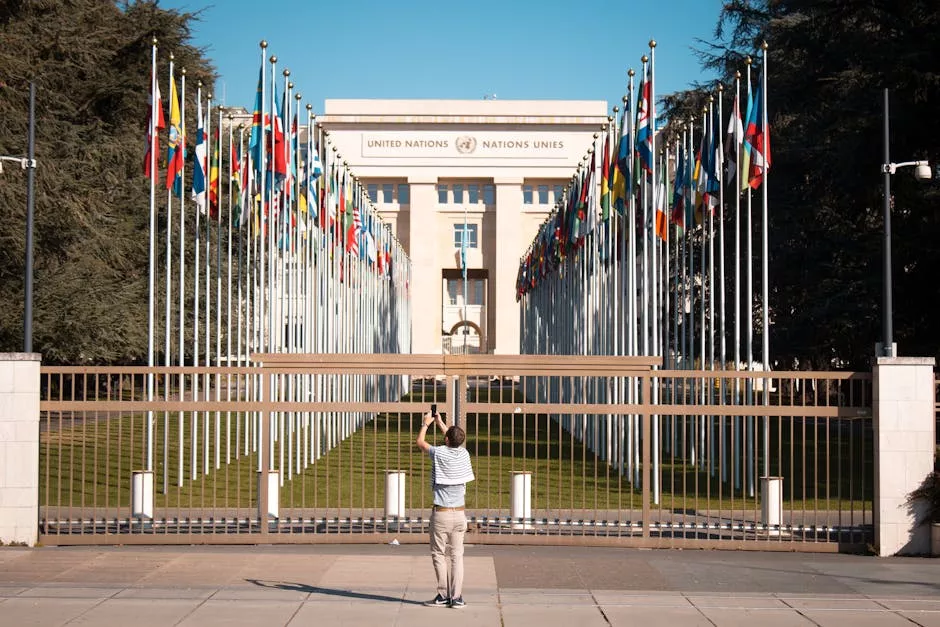
Efforts from international NGOs and United Nations agencies attempt to alleviate some of these pressures, though challenges in coordination and access remain significant barriers.
The Path Forward
As Ukraine stands resilient, Russia remains persistent, underlining that resolution could be a lengthy and arduous process. Persistent diplomacy and continued defensive support remain vital, yet the world's stamina for prolonged conflict management is waning.
Why It Matters
Why It Matters: The Global Stakes of the Ukraine Conflict
The invasion of Ukraine is more than a regional conflict; it's a pivotal point for global order and security. This prolonged conflict challenges the post-Cold War security framework while testing the resilience and unity of Western alliances. Potential escalations could redraw geopolitical lines, disrupt global markets, and influence emerging global powers' strategies. Watching how international alliances evolve and the role of new diplomatic engagements will be essential in anticipating future geopolitical shifts.