Florida Connection: Four Convicted in Haitian President's Assassination
Four convicted in the U.S. for ties to the assassination of Haiti's President, revealing a Florida plot hub, driving political turmoil in Haiti.
Senior Geopolitical Analyst
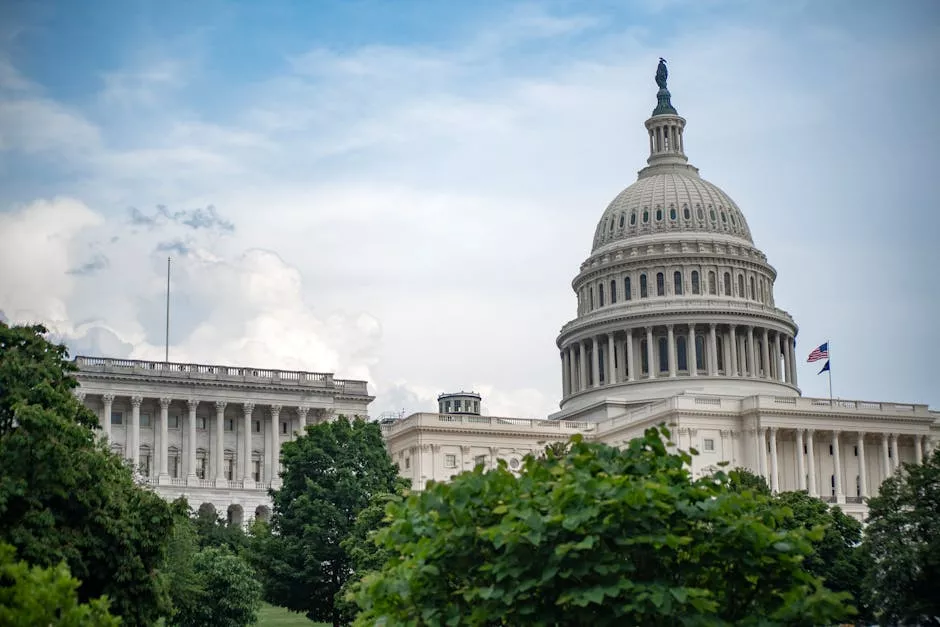
The enigmatic assassination of Haitian President Jovenel Moïse in July 2021 continues to unravel international repercussions as a U.S. federal jury recently convicted four individuals involved in the conspiracy. This pivotal moment highlights Florida's unexpected but central role as a logistical hub for the assassination, adding a complex layer to the unfolding political crisis in Haiti.
Background of the Assassination
On July 7, 2021, President Jovenel Moïse was brutally murdered in his private residence in Port-au-Prince, plunging Haiti into political disarray. The shocking assassination was orchestrated by an international network involving Colombian mercenaries and several Haitian-Americans. This network's connections stretched beyond Haiti, implicating various actors within the state of Florida, USA.
The Florida Connection
Federal prosecutors in the Southern District of Florida have argued that Florida was a pivotal point for the planning and execution of the assassination. Evidence presented in court suggested that meetings, financial transactions, and logistical preparations were conducted in the state, drawing a direct line from the streets of Miami to the presidential palace in Port-au-Prince.
The four individuals convicted were charged with conspiracy to kidnap or kill a foreign leader, conspiracy to provide material support resulting in death, and other related charges. Their convictions shed light on the extensive planning behind this high-profile international assassination, revealing the complexity and reach of the operation.
Impacts on Haiti's Political Landscape
Moïse's assassination triggered a severe constitutional crisis in Haiti, a country already grappling with endemic poverty, instability, and a frail political system. The absence of a clear succession mechanism left a power vacuum that various political and criminal factions have attempted to exploit.
This instability has exacerbated violence, fuel shortages, and economic turmoil in Haiti. International actors, including the United Nations and the United States, have expressed concerns about Haiti's ability to conduct fair democratic elections in the near future. The conviction of these individuals in the U.S. may provide a measure of justice, yet it is unlikely to bring immediate stability to the troubled Caribbean nation.
Implications Beyond Haiti
The geopolitical ramifications of Moïse's assassination are profound, highlighting vulnerabilities in international cooperation against transnational criminal activities. The incident underscores the importance of scrutinizing financial and logistical networks that operate across borders, often exploiting jurisdictional weaknesses.
The Florida connection is a stark reminder of how regional dynamics can impact international politics; it also sheds light on how expatriate communities and diaspora politics influence geopolitical outcomes. The tragedy calls for enhanced international collaboration to address political violence and transnational crimes.
Conclusion
While the convictions in the U.S. mark a significant step towards accountability, they also emphasize the need for broader international efforts to address the ongoing crisis in Haiti. These efforts must be multilayered, addressing governance, economic development, and international cooperation, to restore stability and peace.
Why It Matters
The conviction of these four individuals is more than a legal victory; it represents a crucial step in unraveling the complex web of violence and instability plaguing Haiti. It also illuminates the broader geopolitical challenge of cross-border criminal enterprises that undermine national sovereignties and threaten regional stability. The international community must now focus on the holistic strengthening of democratic institutions in Haiti, leveraging diplomatic, security, and economic strategies to build a sustainable future for its people. Observers should watch for further legal developments, shifts in U.S. foreign policy towards Haiti, and the international response to stabilize the region.