FIFA Faces Global Scrutiny Over 2026 World Cup Ticket Prices
FIFA defends steep 2026 World Cup ticket prices, citing parity with U.S. events. The global backlash echoes wider economic and social concerns.
Defense & Security Editor

The road to the 2026 FIFA World Cup has brought a controversial side event to the forefront: ticket pricing. Scheduled to commence on June 11, 2026, in the United States, Mexico, and Canada, the tournament's ticket costs have sparked global debate, drawing criticism from fans and stakeholders who perceive the prices as prohibitive.
FIFA’s Justification
FIFA President Gianni Infantino seeks to quell the uproar by aligning FIFA's pricing strategy with standard rates for major American sporting events. Infantino argues that World Cup tickets share the same market-driven pricing policies adopted by leagues such as the NFL and NBA, where ticket prices reflect demand and exclusivity.
Historical Context of Ticket Pricing
The issue of ticket pricing is not novel. Historically, major sports events like the Olympics and previous World Cups have faced similar scrutiny over escalating costs, raising questions over affordability and accessibility. In prior tournaments, FIFA has had to balance the need for revenue with maintaining a global fan base's goodwill, a challenge that now appears even more complex amid economic uncertainties worldwide.
Regional Impacts and Reactions
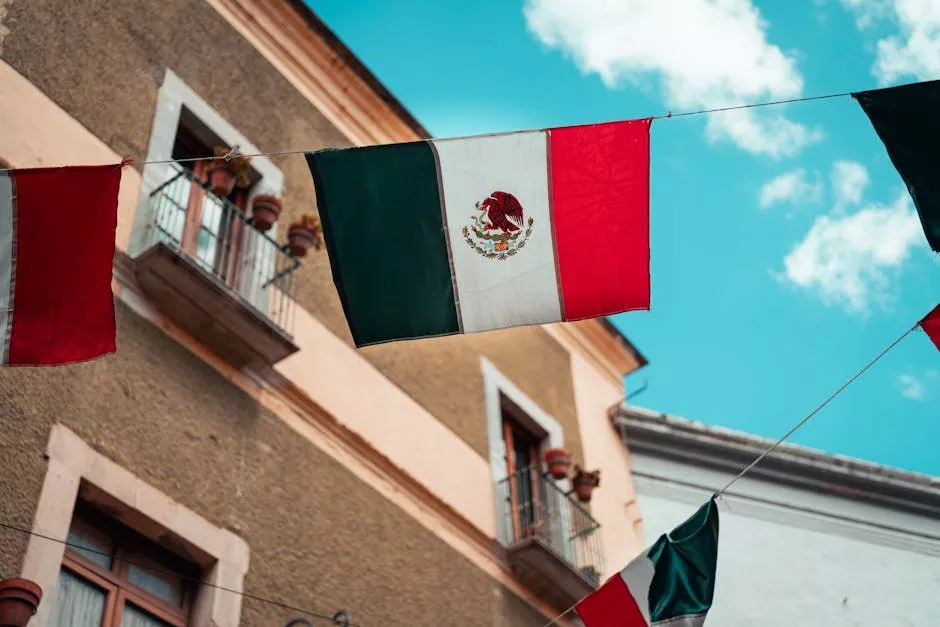
While the tournament is being held across North America, it carries significant implications for each host nation. In the U.S., ticket pricing is resonating as part of a larger conversation about economic disparity and the accessibility of live sports. For Mexico and Canada, hosting the World Cup is symbolic of their growing influence in the global sports arena, yet the pricing debate threatens to overshadow these achievements.
Particularly in Mexico, where income disparity is starker, critics argue that high ticket costs effectively exclude a significant portion of soccer's passionate fan base. Canadian stakeholders, while less vocally critical, share concerns over the potential alienation of local supporters who may find the costs unjustified.
Economic and Geopolitical Implications
The economic leverage of the United States in the North American hosting trio places it at the center of the debate. As ticket pricing captures headlines, it intersects with broader themes of economic inequality and accessibility, ringing alarm bells about who truly benefits from hosting such mega-events.
Additionally, the controversy highlights FIFA's broader geopolitical role and its need to reconcile profit motives with fostering global goodwill and cultural exchange through sports. The nuances of this balance are increasingly significant as international audiences scrutinize each decision with ever-greater intensity, propelled by digital platforms and social media.
Comparative Analysis with Past Events
Looking back, FIFA's handling of the 2018 World Cup in Russia and the 2014 event in Brazil saw similar grievances, albeit within different economic and political contexts. This persistent theme suggests ongoing tension between global sports executive decisions and regional socio-economic realities.
The current controversy over the 2026 World Cup ticket prices transcends mere consumer dissatisfaction; it reflects broader global economic tensions and the challenges of hosting international events in a world where regional diversities must be weighed against universal principles of access and participation.
Why It Matters
The ongoing debate over FIFA's ticket pricing strategy for the 2026 World Cup underscores the broader geopolitical significance of how mega-events are managed. The World Cup is not merely a sporting event but a global cultural exchange that has the power to bridge divides and foster international unity. However, as prices soar, the risk of alienating diverse demographics grows, potentially hindering the tournament's inclusive aspirations. This issue is particularly pertinent as global income disparity widens, making affordability a critical criterion for mass participation. Future considerations must address these economic and social dynamics to ensure the event remains accessible to all. Stakeholders and observers alike should monitor how FIFA balances profitability with inclusivity in the lead-up to the tournament and beyond.